Who this is for
- Traffic-control company directors and operations leaders
- Field supervisors and crew coordinators
- Works-zone and event-traffic managers
- Airport, venue and precinct operations teams
- Client service and contract reporting teams
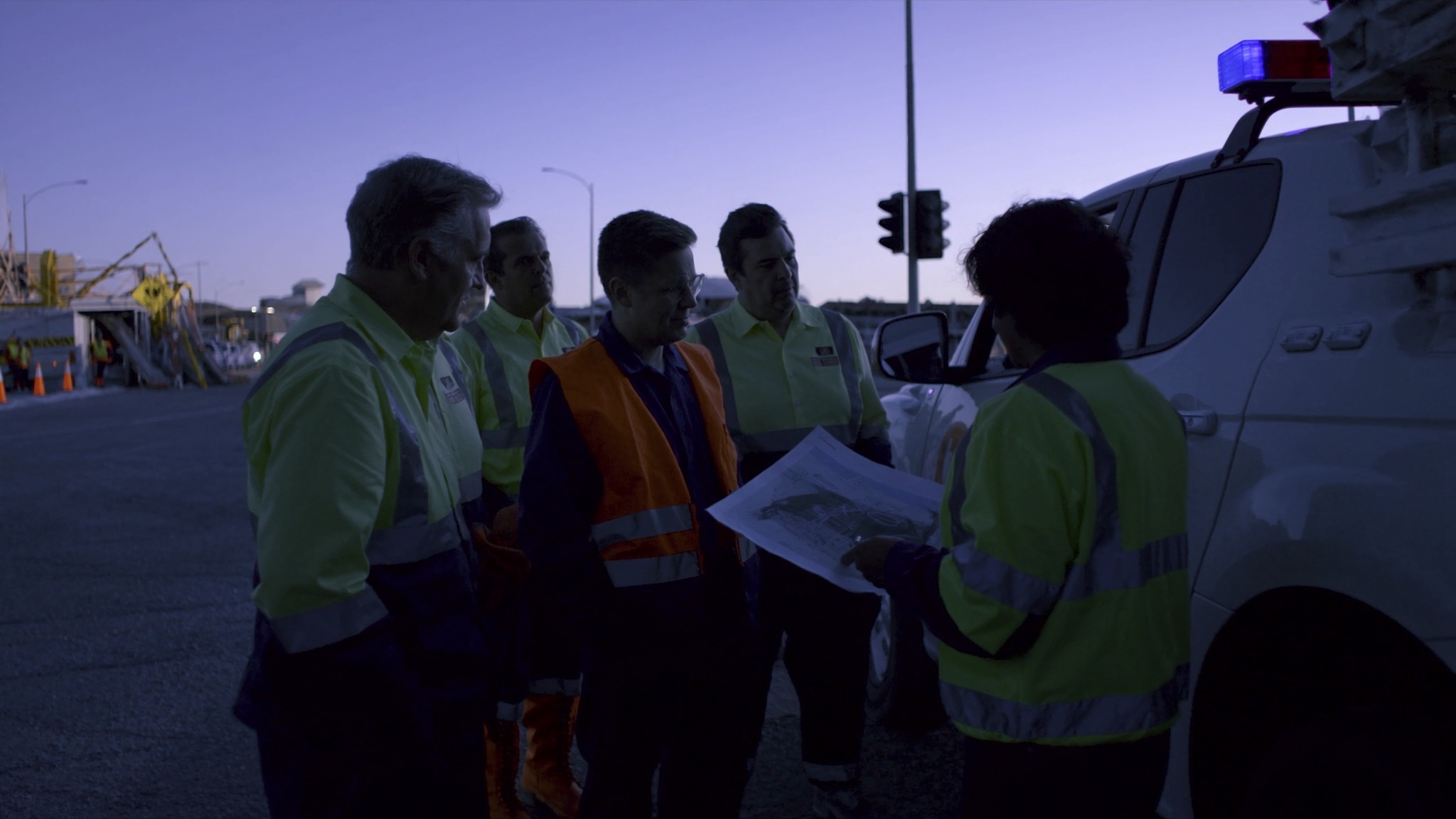
Traffic-control companies can connect field activity, site rules, supervisor review, case follow-up and client reporting without reconstructing each shift from radios, notes and separate spreadsheets.
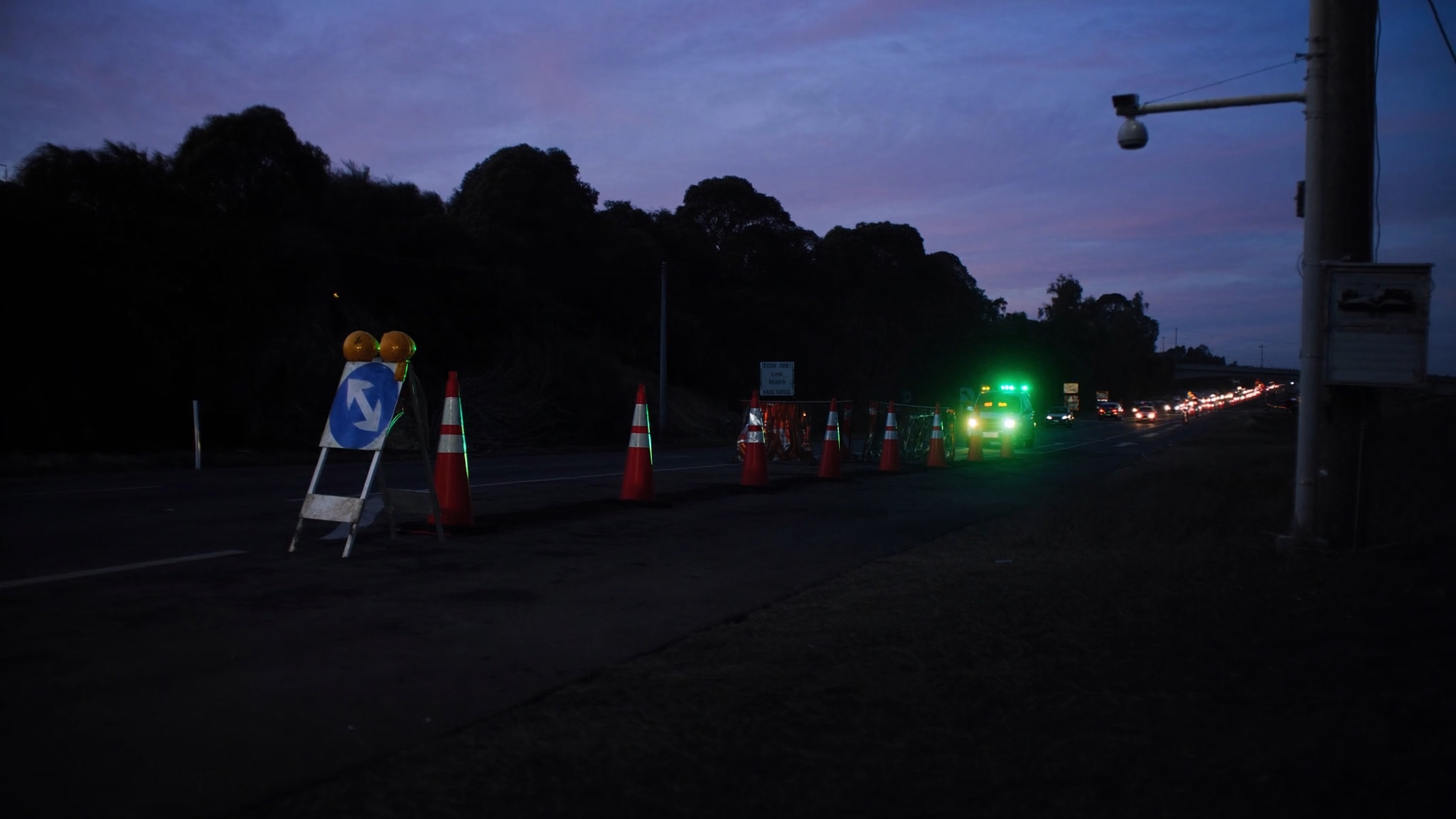
Keep site conditions, photos, notes, assignments and follow-up connected to the same operational record.
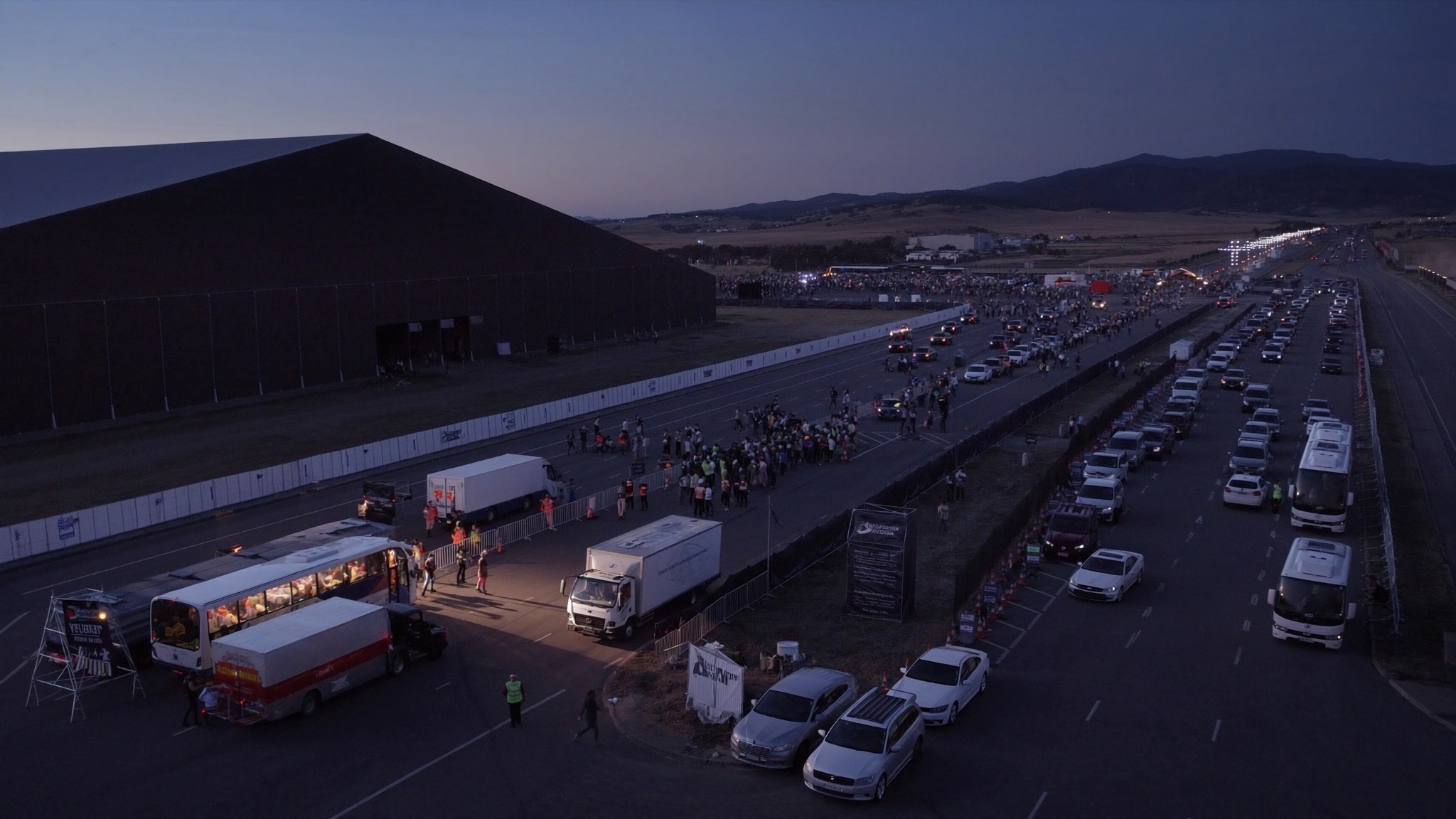
Coordinate changing access conditions, vehicle zones and review across high-volume precincts.
Operations leaders, supervisors, field teams and client contacts can work from the same documented activity record rather than separate radio calls, notes and spreadsheets.
Site layouts, access requirements, traffic volumes and crew assignments can change during the shift.
Pending work and exceptions need clear ownership when several crews, supervisors or client contacts are involved.
Photos, notes, documents and decisions are harder to review when they sit across phones, radios and spreadsheets.
Contract reporting becomes slow when teams must rebuild activity, exceptions and outcomes after the work is complete.
Configure CORE around the activity, rules, handovers, evidence and reporting requirements of each traffic-control service.
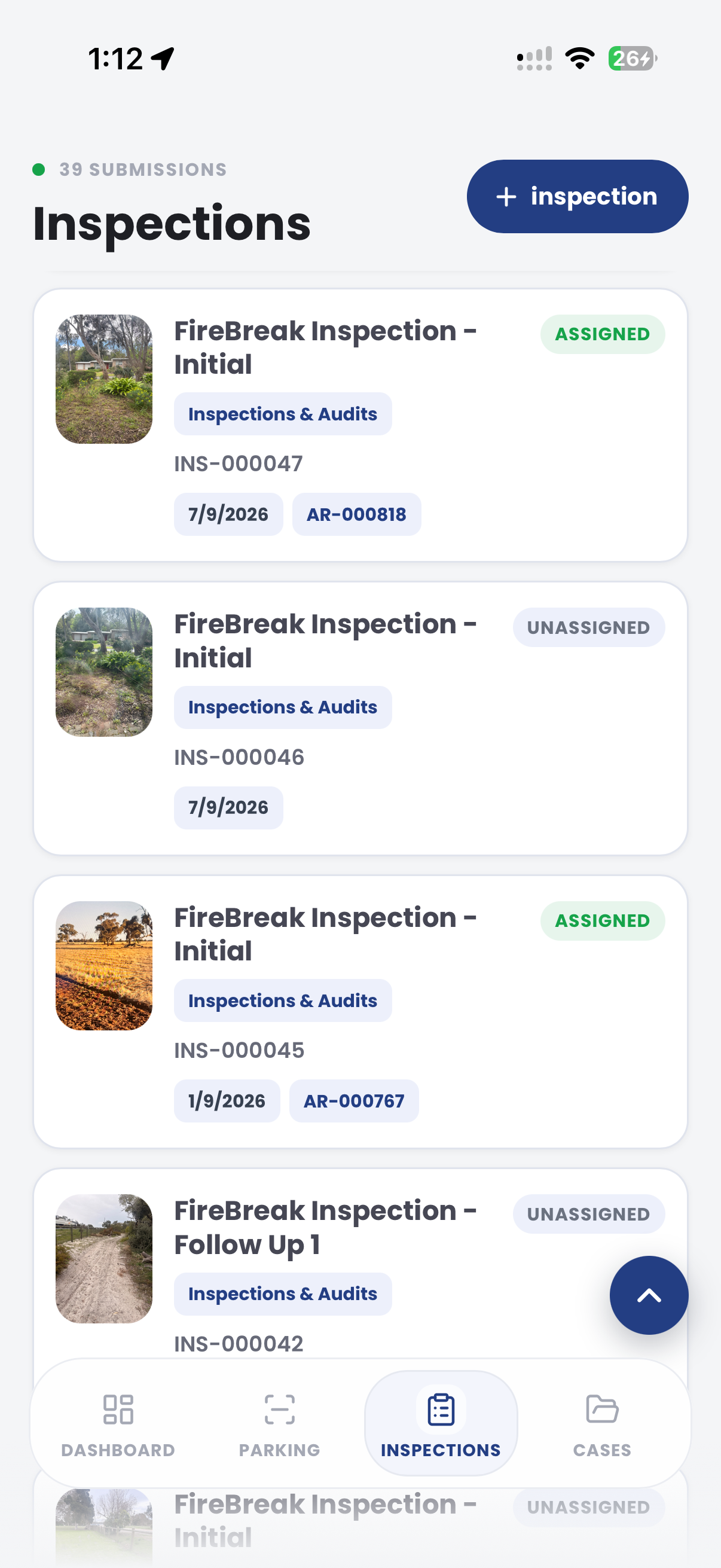
Capture patrols, inspections, site conditions, vehicle activity, photos, notes and supporting documents.
Location, time, evidence, assignment and status context.Represent access areas, schedules, permits, exclusions and local site requirements within the operating workflow.
Zones, schedules, permit context and configured rules.Keep field observations and supporting context together so an authorised person can make and document the next decision.
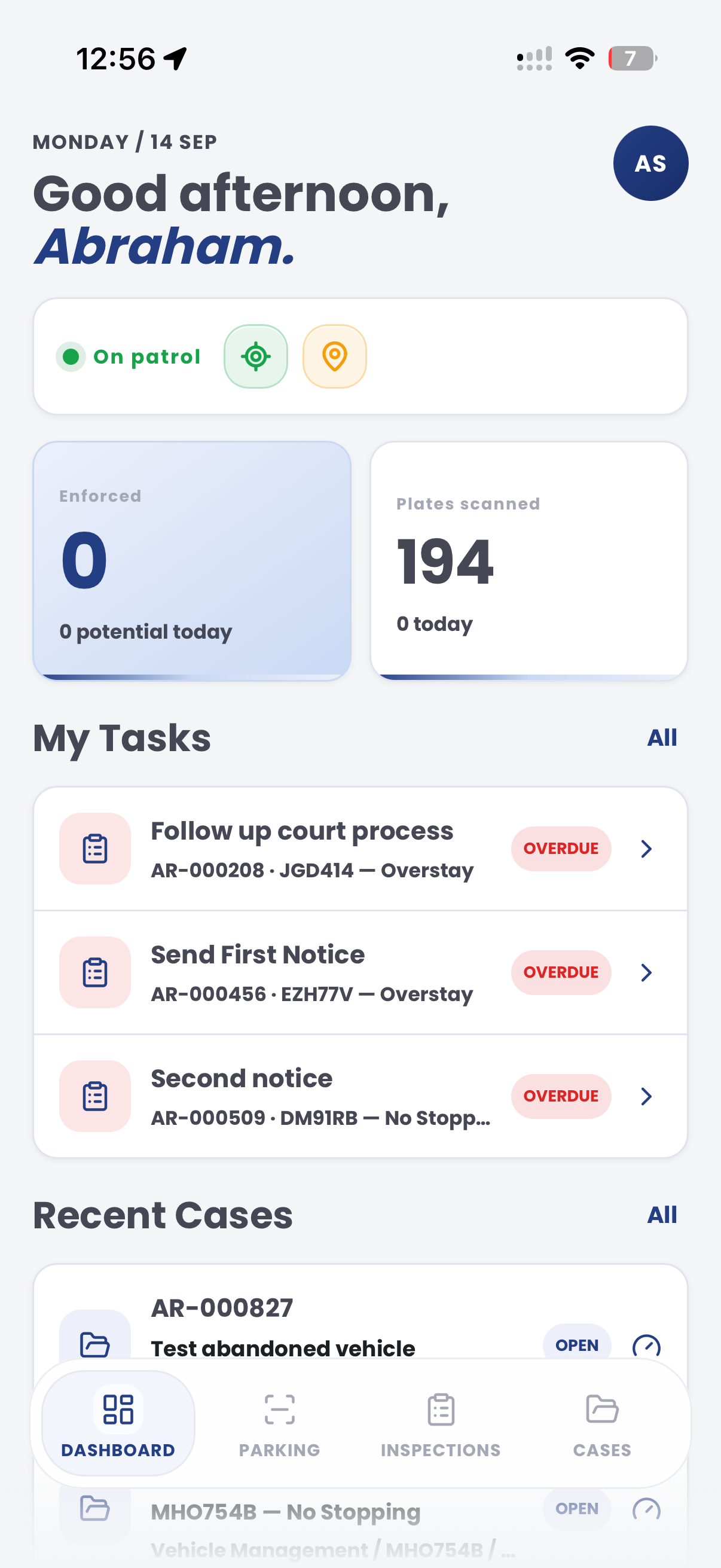
Review queues, evidence timelines, notes and audit history.Assign work, manage handovers and show what is pending across sites, crews and shifts.
Tasks, ownership, status, due dates and notifications.Move operational exceptions into a controlled case workflow with documents, contacts and recorded outcomes.
Casefile, templates, tasks, statuses and review events.Examine activity, workload, repeat issues, utilisation and outcomes without rebuilding the record manually.
Intel dashboards, surveys, filters and exports.Use dashboards, zone analysis, device health and case queues to move from vehicle activity to a well-documented review decision.
Aero Ranger supports the people already responsible for field decisions. Captures and alerts remain operational records until an authorised person reviews the available context.
Different sites create different movements, access conditions and reporting obligations. The operating record should remain consistent.
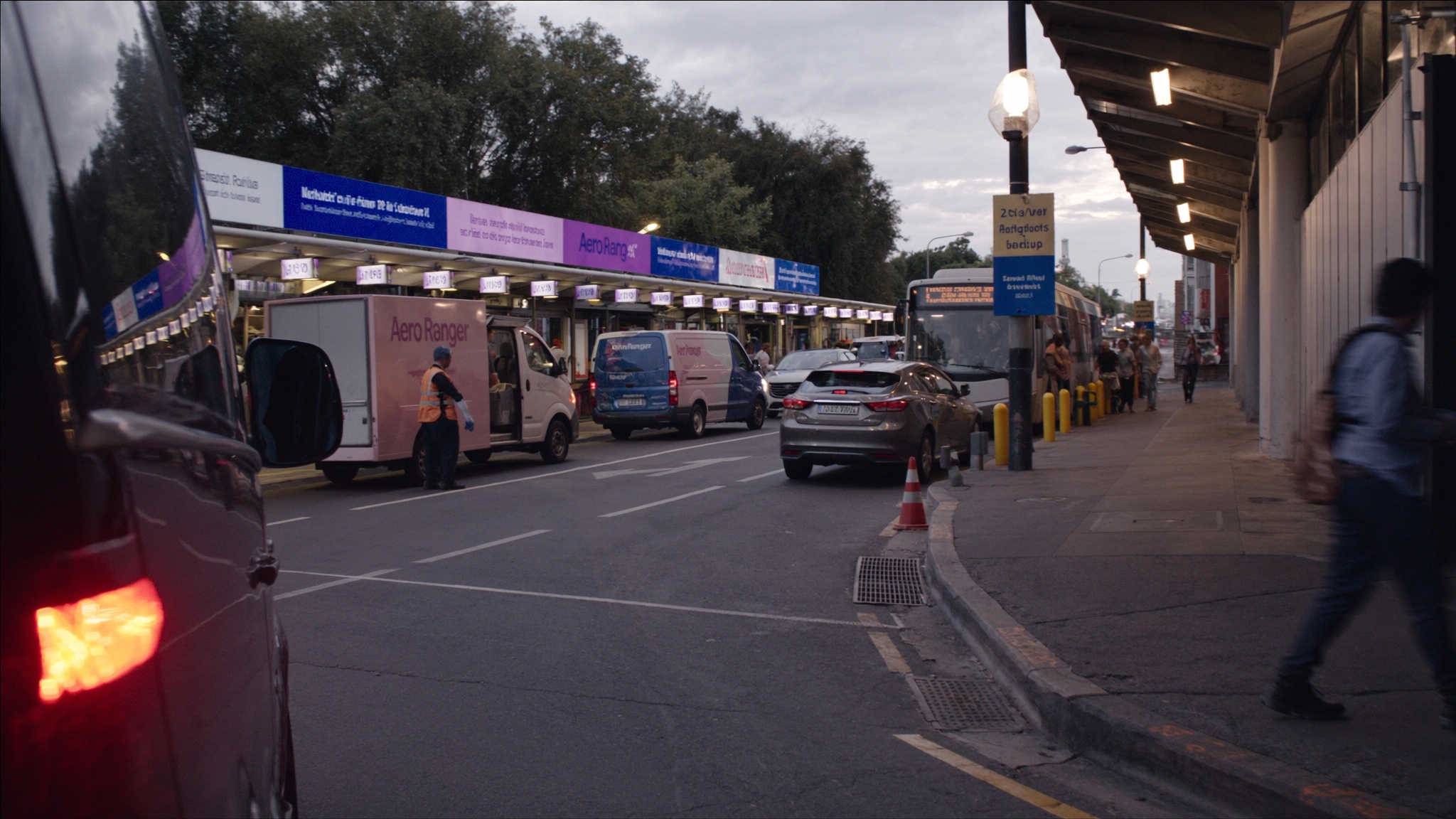
Record activity where passengers, deliveries, service vehicles and temporary controls share limited road space.
Keep site conditions, observations and supporting images available for supervisor review and handover.
Give each crew and supervisor a shared view of assignments, pending work and documented outcomes.
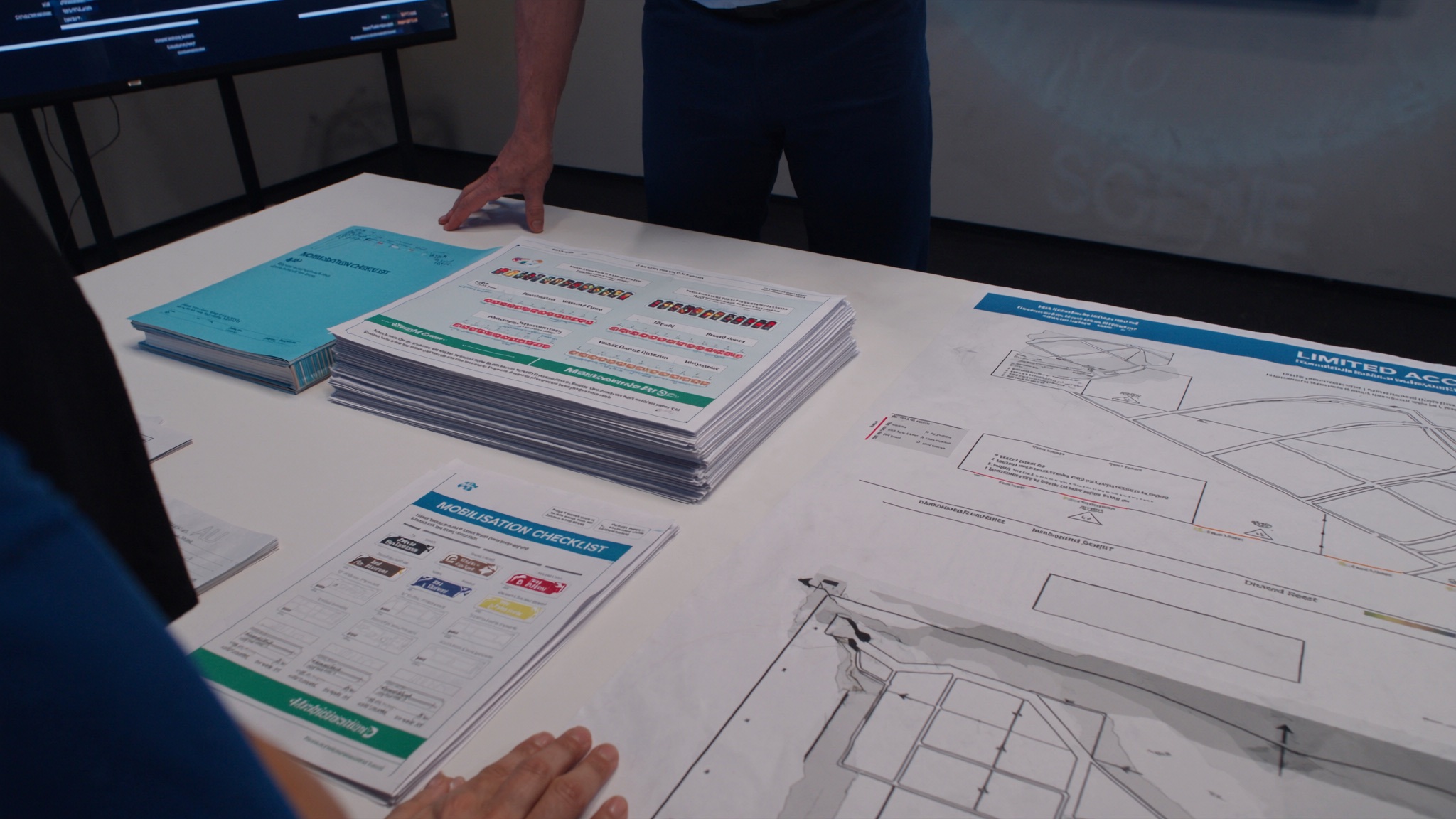
Explain the operating workflow behind mobilisation, field records, client decisions and ongoing reporting.
Start with the operating problem, then map the information, ownership and reporting required at each stage.
Connect kerbside observations, local operating rules and supervisor follow-up in one documented workflow.
Open tutorial ->Keep field evidence and review context together so a person can make and document the next decision.
Open tutorial ->Give crews and supervisors a shared view of assignments, handovers, pending work and documented outcomes.
Open tutorial ->Bring zones, schedules, field records, exceptions and person-led review into a consistent operating model.
Open tutorial ->Describe a documented service model for mobilisation, field records, review, client decisions and reporting.
Open tutorial ->Keep each inspection, owner enquiry, notice, approval and contractor action attached to the same vehicle record.
Open tutorial ->Use zone conditions, permits, repeat observations and review history before an authorised person decides what happens next.
Open tutorial ->The page reflects public guidance on traffic-management records, event documentation and airport traffic operations.
Main Roads Western Australia sets out requirements for traffic-management documentation, inspection and records in roadworks environments.
Main Roads Western AustraliaNSW Government event guidance describes the planning documents and operating records used to coordinate public events.
NSW GovernmentAustralian Government airport planning material provides context for parking, traffic and landside operations around federally leased airports.
Australian GovernmentBring your current service model, site rules and reporting obligations to a working session with Aero Ranger.