

Bring parking, permits, inspections, evidence and reporting into one practical council workflow.
Rules vary by time
Some bus lanes are continuous while others only apply in peak periods, school terms, event windows or temporary works.
Aero Ranger helps parking, transport and compliance teams detect, review and manage unauthorised bus lane use by connecting lane zones, active times, vehicle exemptions, ANPR evidence, cases, notices and reporting.
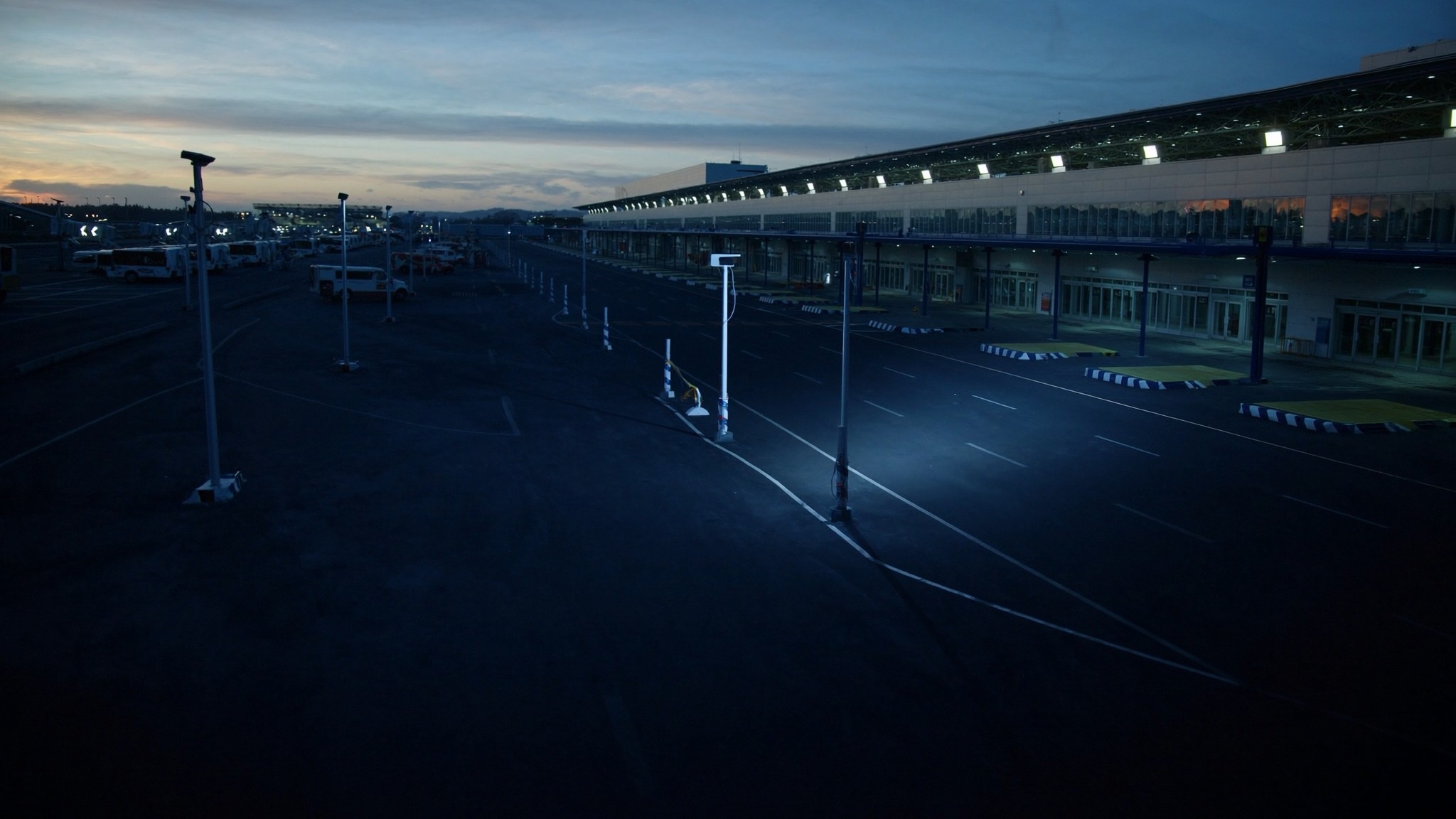
Aero Ranger helps parking, transport and compliance teams detect, review and manage unauthorised bus lane use by connecting lane zones, active times, vehicle exemptions, ANPR evidence, cases, notices and reporting.
Priority lanes need clear rules and evidence that can be reviewed.
Changing schedules. Lane boundaries. Authorised vehicles. Exceptions that matter before any action.
AeroRanger connects the process. Map the lane. Set active rules. Capture sightings. Review exemptions. Record the authorised team's decision.
Keep the plate, time, location, source and confidence context together. Add field observations and supporting images to the same reviewable case.
Back in CORE, see corridor activity, potential breaches and the workload created by exception reviews.
Keep warnings, notices, cancellations and follow-up with the original evidence, so the history remains clear.
Bring a priority corridor scenario. We'll walk through it with your team. AeroRanger. Book your transport workflow demo.
Bus lanes, transit lanes and priority corridors rely on precise location, active schedules, exempt vehicle categories and clean evidence. Teams need consistent review before notices or follow-up actions are issued.
Some bus lanes are continuous while others only apply in peak periods, school terms, event windows or temporary works.
Buses, taxis, emergency vehicles, works vehicles and authorised service vehicles may be treated differently.
Teams need lane-level location and direction context so vehicles are not reviewed against the wrong rule.
A notice or warning needs timestamped sightings, location context, images, decisions and audit history.
The field app / iPhone and Android
Add site observations, photos and inspection context to the matter. PatrolLink supports the field record alongside the wider lane-evidence review in CORE.
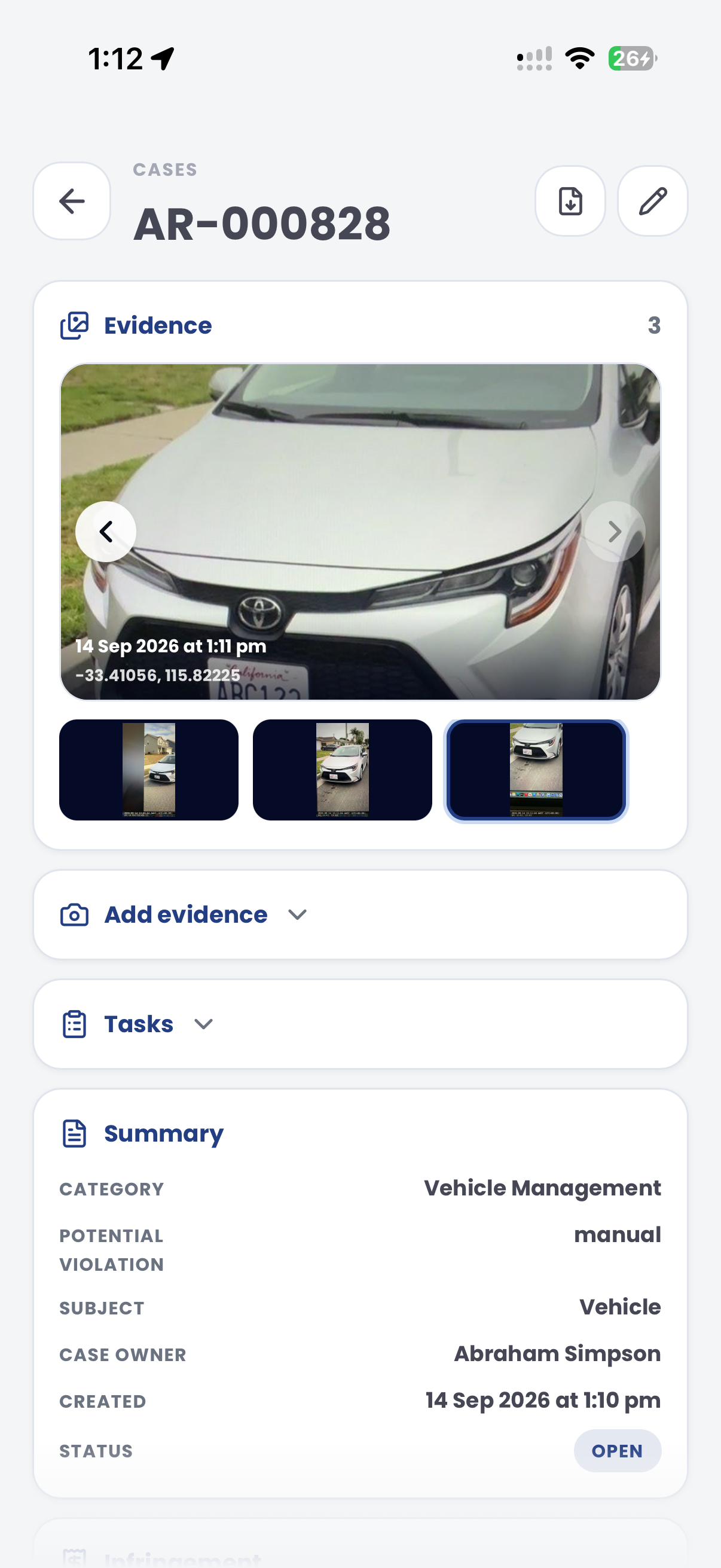
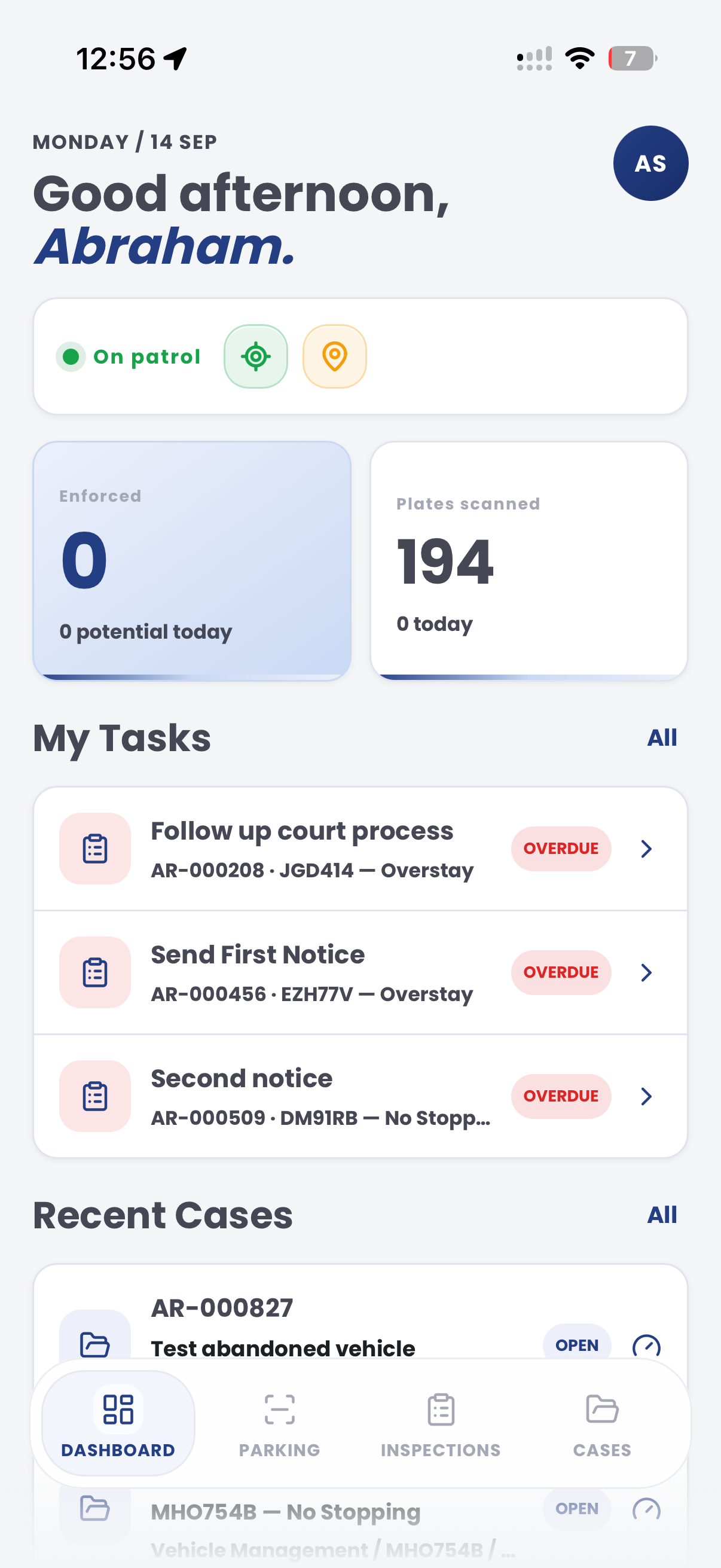
The useful question is not which feature exists. It is whether the team can see the place, rule, evidence, exception, next action and review history before making a decision.
Map bus lanes, transit lanes, priority corridors, approaches and restricted segments.
Zones, map geometry, active profiles and travel context.Configure days, times, holidays, event windows, roadworks and temporary changes.
Schedules, rule profiles, grace handling and active hours.Check authorised categories before action, including buses, taxis, emergency, service and permit vehicles.
Permit categories, plate exclusions, imports and vehicle types.Record plate, time, location, source and confidence context from fixed capture, approved integrations or field evidence.
Plate reads, device health, source history and evidence records.Open potential breaches into cases for human review, warning, notice, escalation, cancellation or closure.
Case flows, statuses, tasks, documents and timeline events.Report volume, hot spots, repeat locations, exemption outcomes and enforcement workload.
Intel reports, exports, vehicle replay and saved dashboards.A bus lane matter needs the plate, lane boundary, time window, vehicle category, exemption status and review decision visible together.

Map bus lane boundaries, transit lane segments, peak-only rules and direction of travel.
Check bus, taxi, emergency, authorised service, contractor and permit exemptions before action.
Keep sightings, images, notes, decisions, documents and audit history attached to the same case.
A bus lane review keeps lane, schedule, vehicle exemption and evidence review in one decision record.
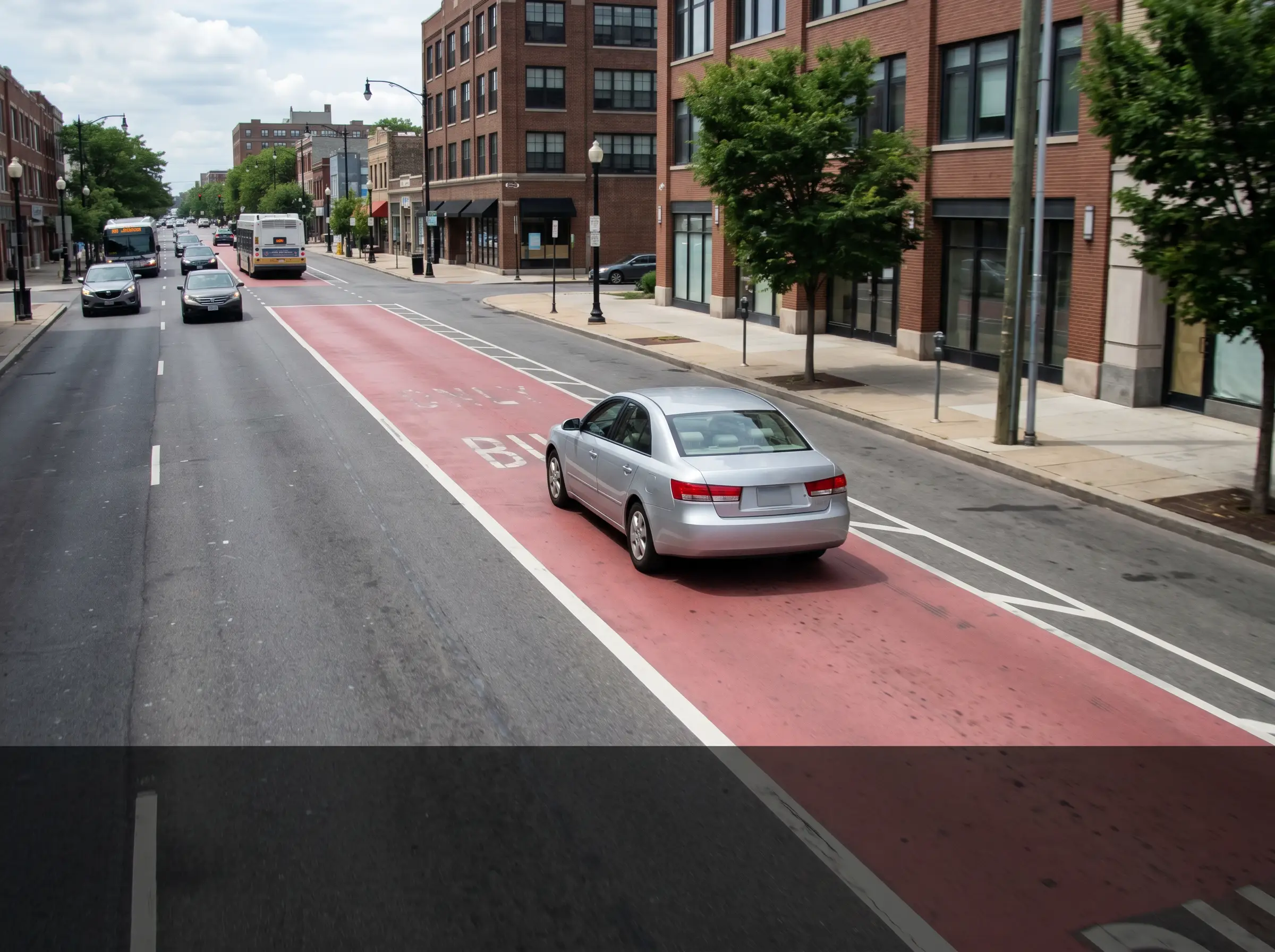
Unauthorised vehicle used a bus or transit lane
Aero Ranger keeps the issue photos, place context, rule context and follow-up state together so the case can be checked later without rebuilding the record.
The issue photo stays on BL-77082 with the case note and current case status.
Site, street, reserve, bay, kerbside or zone context stays attached so reviewers can see where the issue occurred.
The relevant signage, permit condition, local-law category or operating rule is recorded beside the issue evidence.
Later photos, reinspection notes, notice evidence and closure decisions remain in the same case trail.
Bus lane review is a corridor workflow. The record needs to show the vehicle was in the controlled lane during the active period and was not part of an authorised or exempt category.
Confirm lane boundaries, operating hours, signage, public bus permissions, taxi or emergency exceptions and any temporary traffic changes.
Attach plate, image, time, direction, lane position, exemption lookup and reviewer notes before any notice or referral.
Track repeat locations, peak-period pressure, review outcomes and corridors where signage, design or enforcement timing may need attention.
Rego, vehicle type, lane segment, direction, observation time and camera or patrol source.
Bus lane operating hours, exempt vehicle categories, temporary changes, signage notes and corridor status.
Plate read, lane image, timestamp, location, review notes and authorised-list lookup result.
Authorised, unauthorised, unclear evidence, exempt, warning, notice, referral, appeal or closed.
Repeat locations, peak-period pressure, movement impact, review workload and exception trends.
Start with one corridor or peak-time lane, tune exemptions and confidence thresholds, then extend into wider transport priority zones.
Define the corridor, lane boundaries, approach segments and direction of travel.
Configure days, times, holiday exceptions, temporary rules and vehicle categories.
Collect ANPR events with location, time, source and confidence context.
Check exemptions, evidence, repeat activity and human review outcomes before action.
Track corridors, repeat breaches, workload and outcomes for transport and compliance leaders.
Once lane zones, active schedules, evidence and case flows are configured, other priority movement workflows can reuse the same platform model.
Use similar active-hour and vehicle-category logic for restricted kerbside movement windows.
Apply scheduled rules to short high-pressure safety windows around schools.
Check vehicle authority against lane, zone and category rules.
Adapt bus lane and priority corridor rules during temporary event traffic plans.
Share the short brochure with stakeholders, then use the procurement guide to frame requirements, governance, rollout and evaluation.
Bring a real corridor, bus lane or transit lane scenario and we will map active schedules, exemptions, evidence, cases and reporting.
Technology procurement guide
Use your organisation or government email address. Your guide will be ready to open as soon as the form is submitted.

