Seasonal work arrives in a rush
Firebreak inspections often need property lists, routes, officer assignments and follow-up before high-risk weather periods.
Aero Ranger helps authorised council teams plan firebreak inspections, capture field evidence, review variations, assign follow-up and report seasonal readiness from one operational workflow.
Firebreak and hazard reduction work often runs on seasonal notices, property lists, local conditions and inspection deadlines. Council teams need a clear record of what was checked, what evidence was captured, what variation or exemption context applies and what action remains open.
Firebreak inspections often need property lists, routes, officer assignments and follow-up before high-risk weather periods.
Land size, access, boundary conditions, approved variations and environmental constraints can change what needs to be checked.
Photos and notes need enough location, time, notice and officer context for another reviewer to understand the decision later.
Owner contact, requested works, variation reviews and reinspections can become disconnected when handled through emails and spreadsheets.
The useful question is not which feature exists. It is whether the team can see the place, rule, evidence, exception, next action and review history before making a decision.
Prepare inspection runs from property records, mapped areas, notice categories and risk-based priorities.
Property subjects, zones, routes, categories and assigned inspection tasks.Capture whether the firebreak or treatment area is present, trafficable, obstructed, incomplete or ready for reinspection.
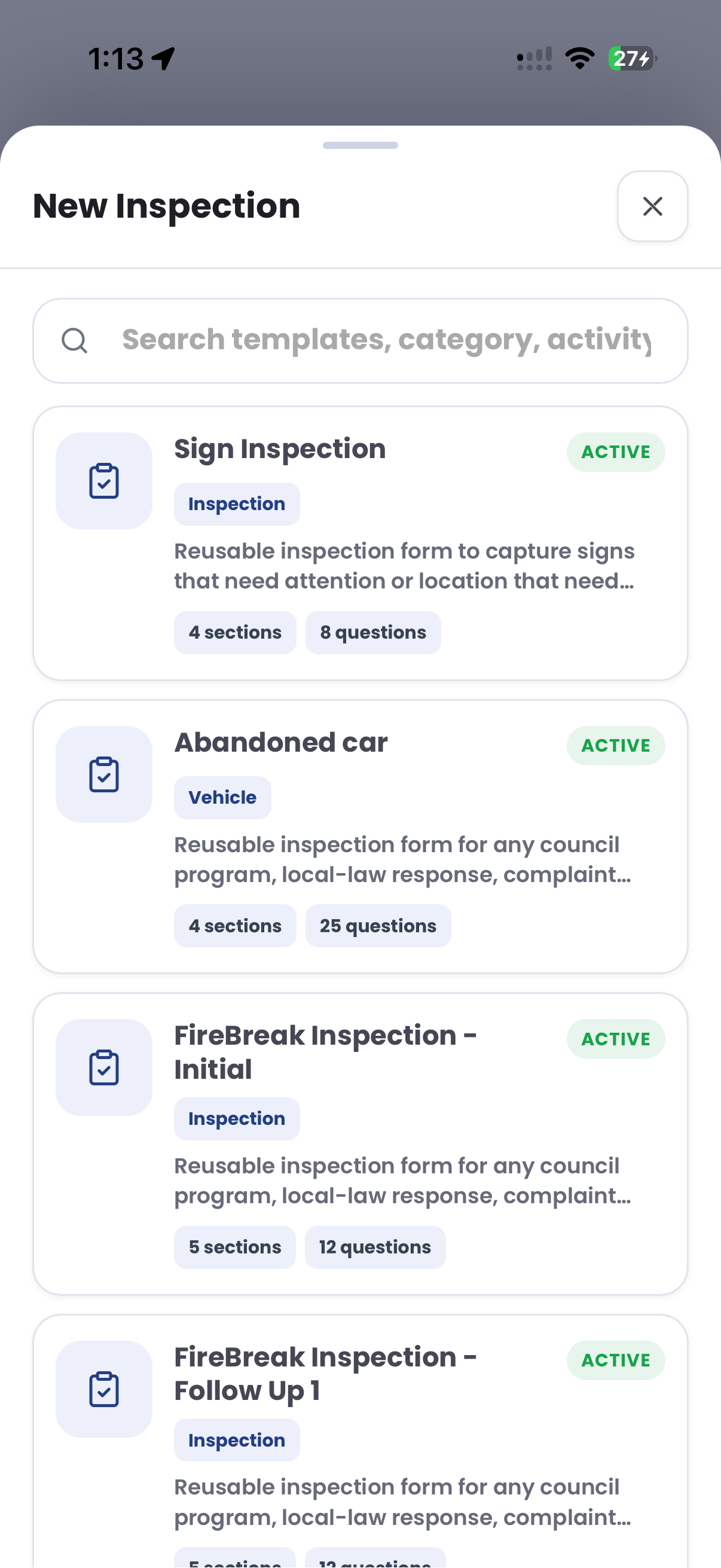
Inspection templates, required fields, photos, GPS and officer notes.Keep approved variations, site constraints, alternative treatments and reviewer comments beside the inspection record.
Permit records, documents, case notes, status history and delegated review.Assign contact, notices, requested works, due dates and rechecks without losing the original site evidence.
Tasks, correspondence, reminders, reinspection evidence and closure notes.Summarise inspected properties, open follow-ups, common defects, completed reinspections and unresolved risks.
Intel dashboards, exports, saved reports and case status data.Retain the chronological record of inspection, review, contact, follow-up and closure for seasonal program governance.
Audit logs, timestamps, officer attribution, status changes and export history.A useful firebreak record needs the property, boundary or treatment area, access notes, vegetation condition, photos, inspection status and follow-up decision connected before a seasonal report is prepared.
Keep parcel, owner or occupier, land size, notice category, access route and any approved variation attached to the inspection record.
Record the boundary strip, vegetation condition, obstructions, gates, tracks, turnaround areas and evidence photos while the officer is on site.
Track inspection windows, response dates, reinspection tasks, unresolved properties and district-level readiness reporting.
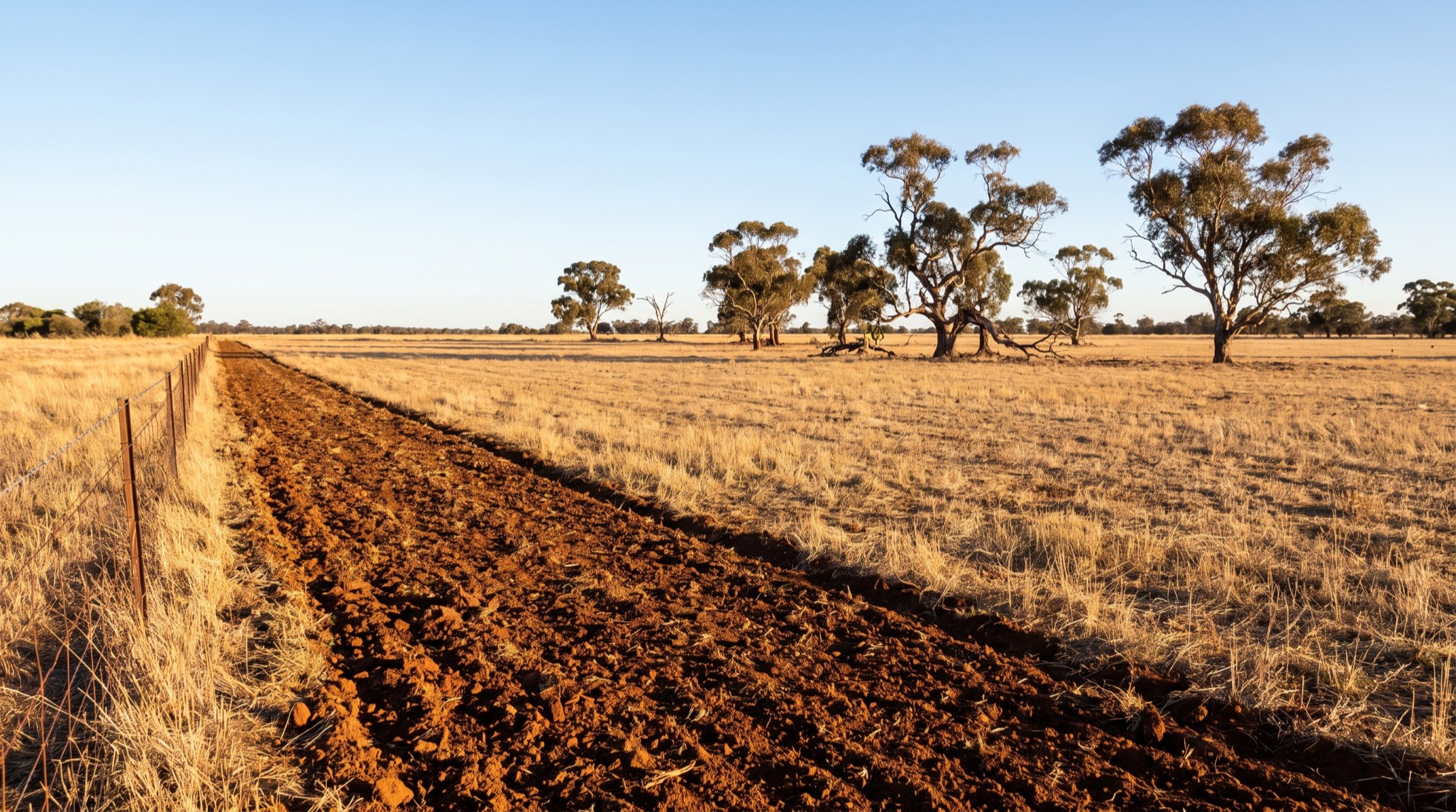
A firebreak inspection case keeps the property, notice requirement, field evidence, variation context, reinspection and outcome together.
Cultivated boundary strip recorded for seasonal firebreak review
10:24 · Rural property boundary
Property-specific inspection, variation and follow-up review
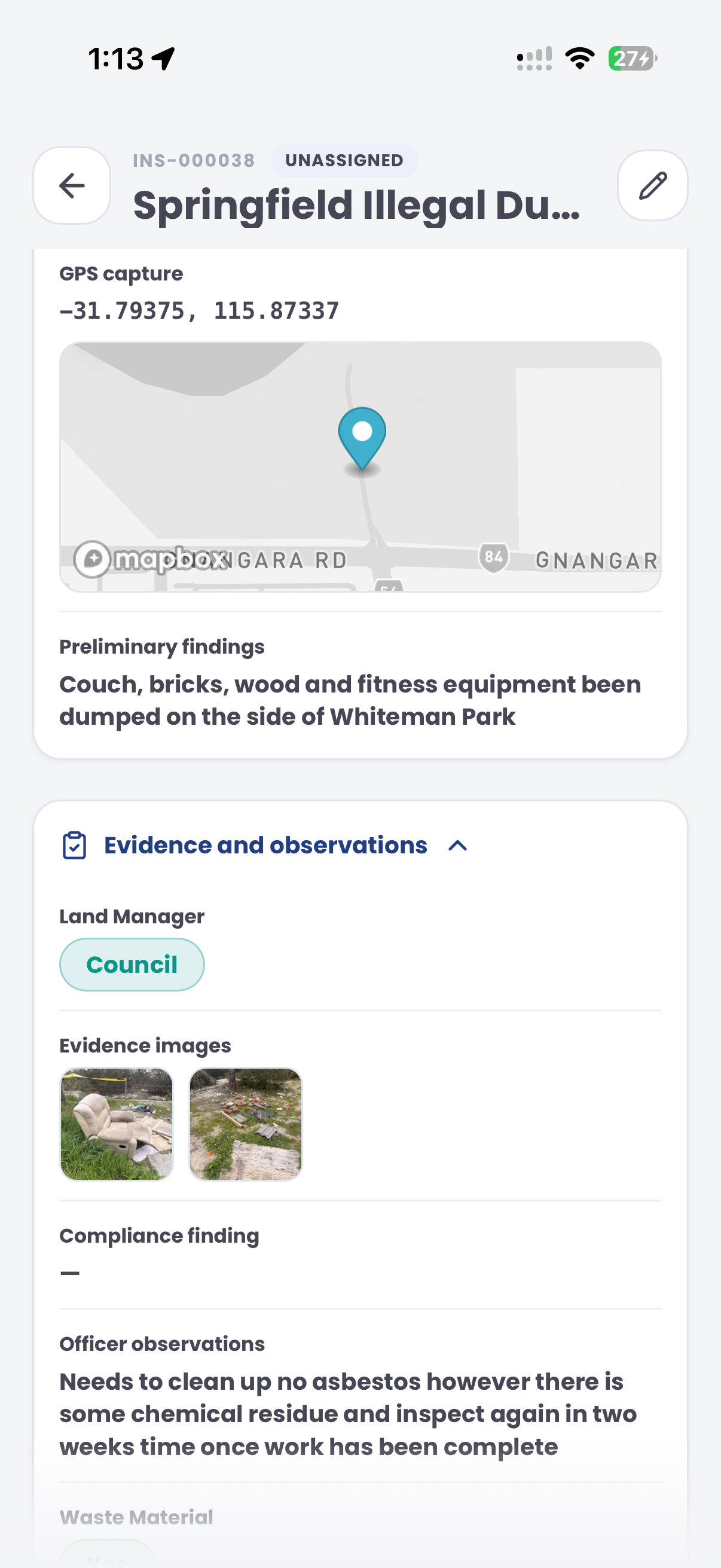
Aero Ranger keeps the issue photos, place context, rule context and follow-up state together so the case can be checked later without rebuilding the record.
The issue photo stays on FB-26041 with the case note and current case status.
Site, street, reserve, bay, kerbside or zone context stays attached so reviewers can see where the issue occurred.
The relevant signage, permit condition, local-law category or operating rule is recorded beside the issue evidence.
Later photos, reinspection notes, notice evidence and closure decisions remain in the same case trail.
In CORE, firebreak management works best as a seasonal inspection and follow-up workflow that keeps property context, notice settings, access requirements, evidence, variations, actions and reporting tied to one record.
Parcel, owner or occupier, land size, relevant notice period, required treatment type, access notes and any approved variation.
Mapped boundary, cultivated or cleared strip, trafficability notes, vegetation load, obstructions, gates and turnaround access where relevant.
Photos, GPS points, inspection checklist answers, officer notes, timestamps, correspondence and before-after reinspection evidence.
Inspection due dates, notice response periods, seasonal maintenance windows, variation review dates and reinspection tasks.
Educate, request works, approve variation, schedule recheck, refer, close and report readiness by district, risk area or inspection outcome.
Teams can start with the annual firebreak list, assign inspection runs, capture field evidence, record owner contact and report remaining risk before the season changes.
Load property records, notice categories, inspection areas, known variations and seasonal due dates.
Group properties by district, route, risk, access constraints or inspection priority.
Photograph the firebreak or treatment area, record GPS context, checklist answers, access notes and officer observations.
Check approved alternative treatments, environmental constraints, owner requests and internal review notes before deciding the next action.
Record owner contact, requested works, due dates, reinspection evidence, referrals and closure decisions.
Export inspected properties, unresolved follow-ups, common issues and readiness summaries for operational review.
The same evidence-led model can support vegetation permits, reserve damage, illegal dumping, property hazards and other seasonal local-law programs.
Connect approved clearing or pruning conditions to inspection and follow-up records.
Preserve site evidence, vehicle context, permits and referrals for suspected vegetation removal.
Use mapped evidence and clean-up tasks when firebreak reserves or access tracks are affected.
Summarise seasonal inspection workload, field activity and unresolved follow-up across the team.
Bring an example notice, property list or inspection process and we will walk through property setup, field capture, variation review, reinspection and reporting.
Technology procurement guide
Use your organisation or government email address. Your guide will be ready to open as soon as the form is submitted.