Bring parking, permits, inspections, evidence and reporting into one practical council workflow.
Evidence is scattered
Photos and notes often live outside the vehicle workflow where later reviewers cannot see the full context.
Aero Ranger helps vehicle-hire teams structure condition inspections, photos, notes, review decisions and follow-up actions around the vehicle record.

Aero Ranger helps vehicle-hire teams structure condition inspections, photos, notes, review decisions and follow-up actions around the vehicle record.
A vehicle condition check is only useful when the detail stays connected.
Scattered photos. Separate notes. Shift handoffs. An exception that needs a clear next step.
AeroRanger connects the inspection workflow. Set the prompts. Capture the condition. Review the findings. Assign action. Record the outcome.
Keep photographs and officer or staff observations with the vehicle's inspection record. Give the reviewing team the context to understand what was recorded.
Back in CORE, open a case when a condition exception needs follow-up, with clear ownership of the work.
Keep the inspection, evidence and recorded decision together as the vehicle moves through your operating process.
Bring a vehicle-condition process. We'll show your team the workflow. AeroRanger. Book your vehicle-hire inspection demo.
Return inspections need consistent prompts, time and location context, and a route for review without relying on disconnected photo folders.
Photos and notes often live outside the vehicle workflow where later reviewers cannot see the full context.
Yard, branch, repair and customer-care teams need a shared record rather than repeated explanations.
A team needs to know who reviewed the record, what was decided and what action followed.
The field app / iPhone and Android
Use an inspection template to capture condition photos and observations. Keep the field record connected to the team's damage review and follow-up.
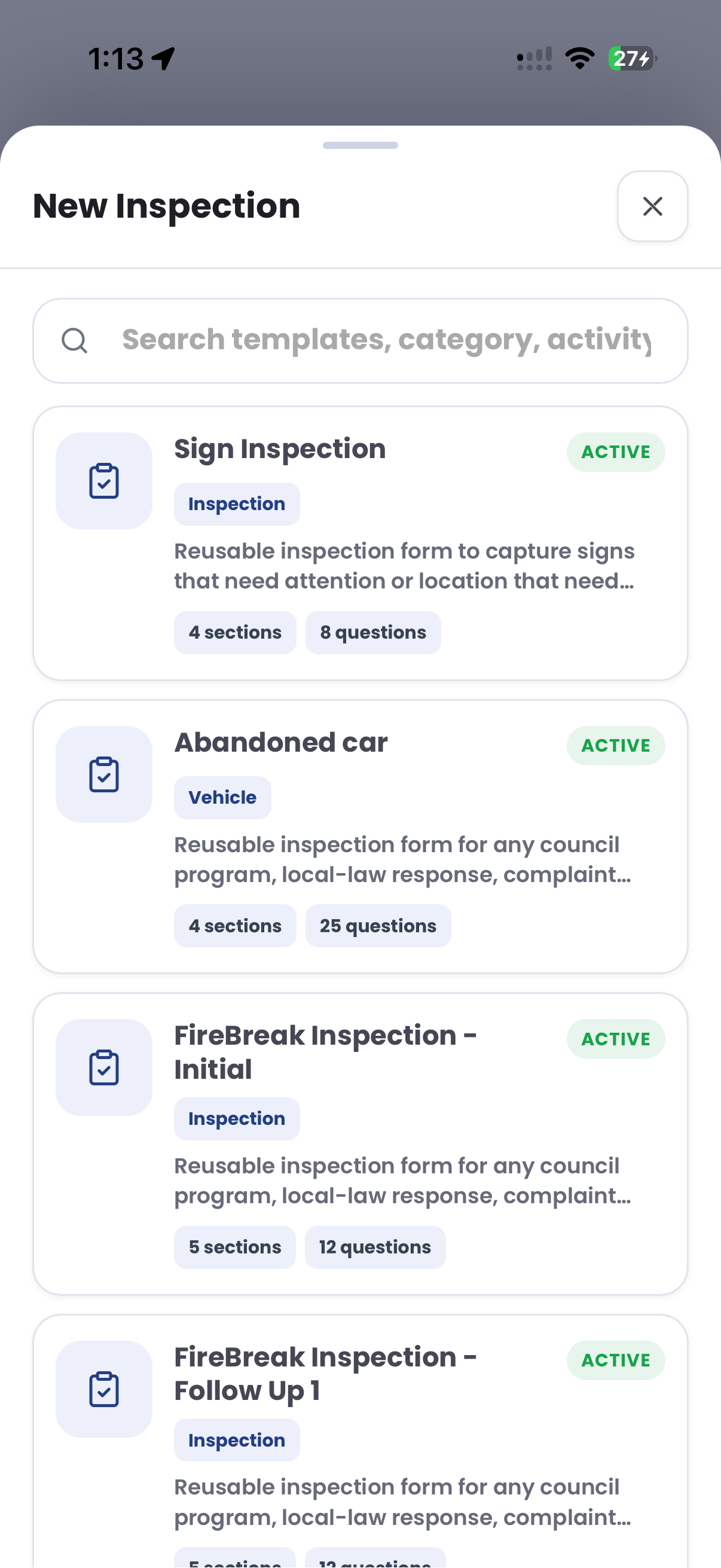
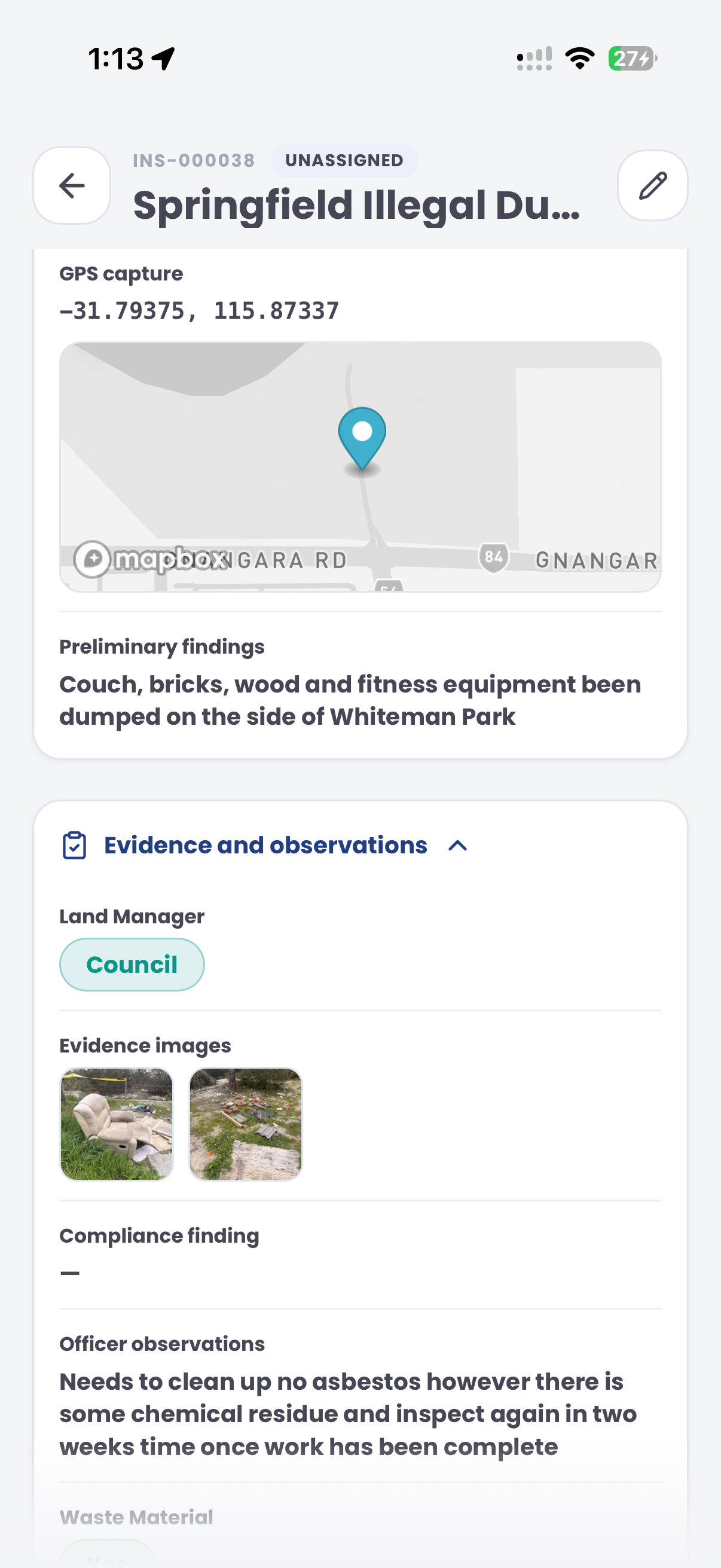
The useful question is not which feature exists. It is whether the team can see the place, rule, evidence, exception, next action and review history before making a decision.
Create repeatable vehicle-condition prompts for the required operating process.
Inspection templates, forms and required fields.Attach condition observations to the inspection record.
Evidence attachments, timestamps and notes.Send a condition exception into a owned workflow when further review is needed.
Cases, tasks, statuses and assignments.Search the vehicle record alongside its linked inspection and action history.
Vehicle search, evidence and audit trail.A reviewable record keeps the vehicle, inspection, evidence, outcome and action history connected.

Identify the vehicle and the relevant return, transfer or maintenance event.
Keep photos, notes, timestamps and observed condition against the inspection.
Assign review, repair, customer-care or fleet follow-up without losing the original record.
A contextual CORE view keeps the case, rule, evidence, workflow status and next action together.
Condition inspection evidence attached to the vehicle record
Vehicle-hire return lane
Review evidence and assign the next action
Aero Ranger keeps the issue photos, place context, rule context and follow-up state together so the case can be checked later without rebuilding the record.
The issue photo stays on REN-10001 with the case note and current case status.
Site, street, reserve, bay, kerbside or zone context stays attached so reviewers can see where the issue occurred.
The relevant signage, permit condition, local-law category or operating rule is recorded beside the issue evidence.
Later photos, reinspection notes, notice evidence and closure decisions remain in the same case trail.
In CORE, a return-condition issue works best as an evidence-led operational record that keeps the inspection, photos, reviewer, actions and outcome together.
Vehicle, return context, inspection outcome and observed condition.
Photos, notes, timestamps and supporting records.
Reviewer, follow-up action, due date and final outcome.
Teams can start with a targeted pilot, tune thresholds and then extend the same model across related compliance areas.
Configure the checks and evidence prompts relevant to the return workflow.
Record observations, photos and notes with vehicle and location context.
Triage records that need a supervisor, repair or customer-care decision.
Create the next task and keep status changes with the original inspection.
Record the outcome and review recurring condition trends.
Once capture, evidence and case flows are working, related compliance categories can use the same platform pattern.
Keep return issues, owners and deadlines clear.
Understand the downstream impact of inspection outcomes.
Share the brochure with your team to explore the operating problem, connected workflow and next steps.
Bring a current return or damage inspection process and we will map the evidence, review and handoff points.
Technology procurement guide
Use your organisation or government email address. Your guide will be ready to open as soon as the form is submitted.

