Bring parking, permits, inspections, evidence and reporting into one practical council workflow.
Handoffs become invisible
Teams can see a vehicle in the yard but not the work or exception that must be resolved next.
Aero Ranger helps teams view vehicle observations, condition checks and exceptions across return, cleaning, maintenance and ready-line operating zones.

Aero Ranger helps teams view vehicle observations, condition checks and exceptions across return, cleaning, maintenance and ready-line operating zones.
A returned vehicle can pass through several teams before the ready line.
Invisible handoffs. Different status notes. Condition questions. Exceptions that interrupt the flow.
AeroRanger connects the operating record. Map handoff zones. Capture context. Assign exceptions. Confirm the handoff. Review the patterns.
Keep vehicle observations and condition checks with the relevant operating event. Show the evidence behind an exception and who owns the next action.
Back in CORE, review the work across return, inspection, maintenance and ready areas using the records your teams capture.
Keep decisions and follow-up connected, so the next team starts with useful context about the vehicle.
Bring a vehicle-turnaround process. We'll show your team the workflow. AeroRanger. Book your fleet turnaround demo.
Return, cleaning, inspection, maintenance and ready-line teams need a shared view of the record and the next action, without implying that a sighting alone determines availability.
Teams can see a vehicle in the yard but not the work or exception that must be resolved next.
Different teams can use different notes, labels and handoff methods.
Condition, maintenance or location exceptions need an owner and an accountable next action.
The field app / iPhone and Android
Keep inspection records, tasks and cases visible to staff carrying out vehicle checks. Bring their observations into the wider turnaround review.
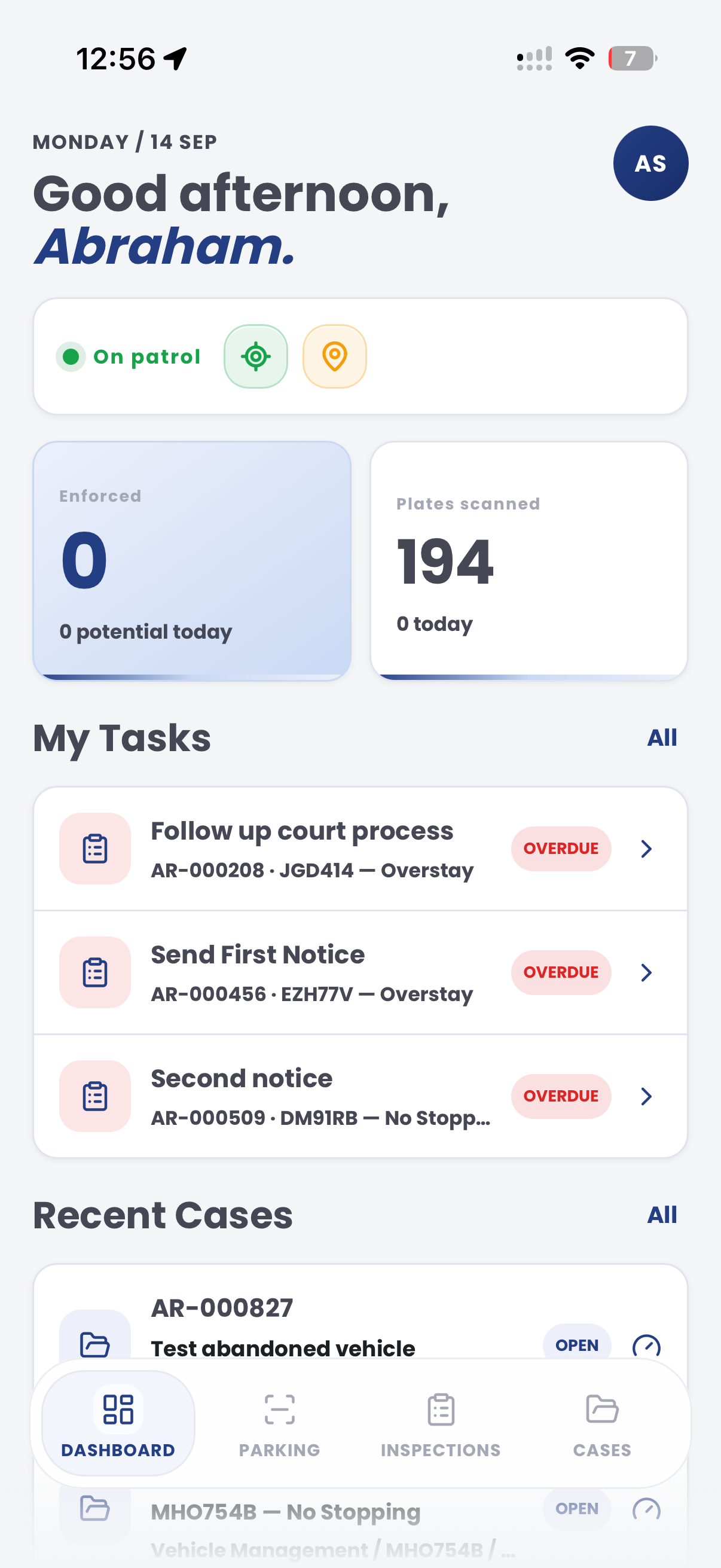
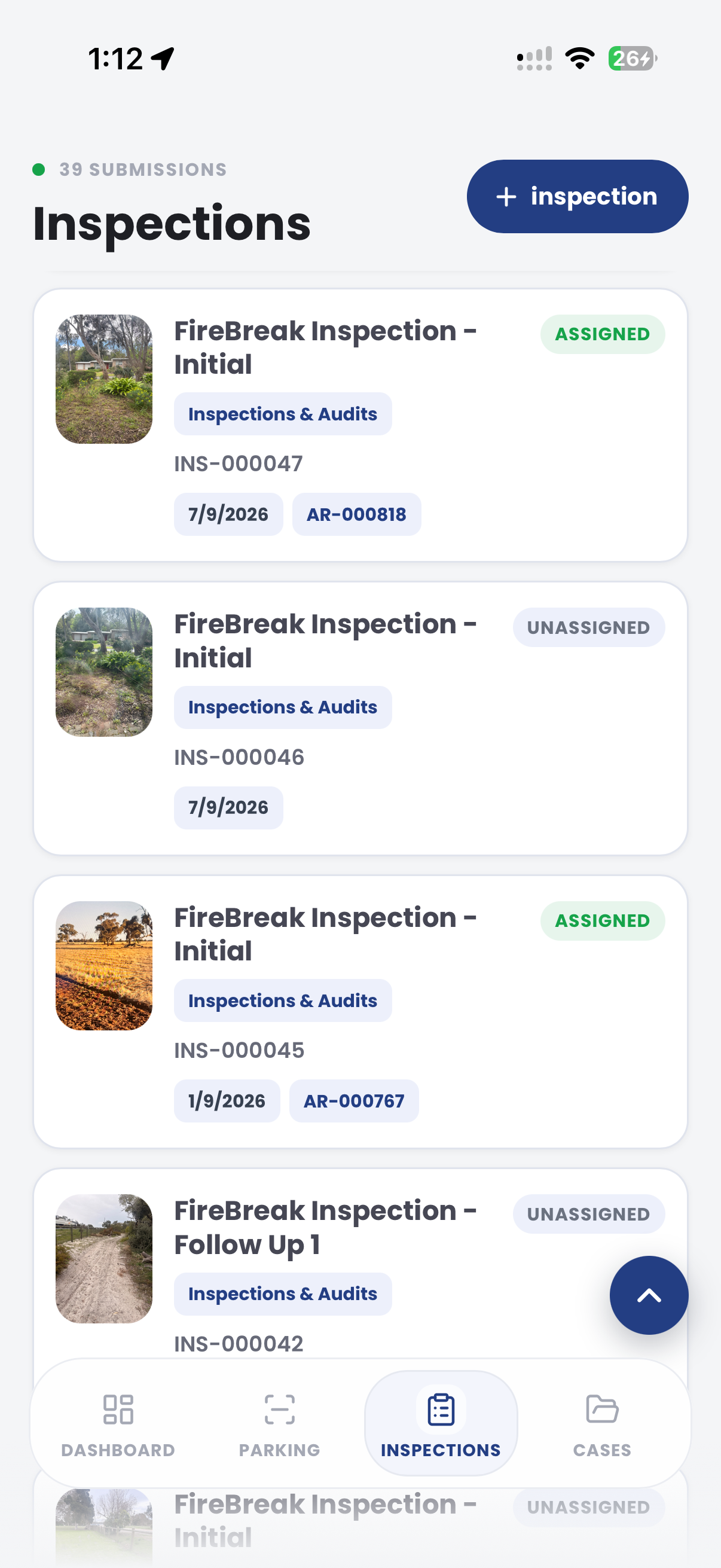
The useful question is not which feature exists. It is whether the team can see the place, rule, evidence, exception, next action and review history before making a decision.
Represent return, inspection, maintenance, ready and overflow locations.
Zones, schedules and location context.Keep condition records with the relevant vehicle and operating event.
Inspections, photos, notes and evidence.Assign tasks and review decisions where a vehicle needs further work.
Cases, tasks, statuses and audit trail.Review exception patterns by branch, location and operating period.
Intel, exports and saved reporting views.A consistent workflow helps operations teams review pending exceptions before they affect the next handoff.

Record the return or observation in the relevant operational location.
Keep condition outcome and required follow-up visible to the next team.
Review status and owner before treating a vehicle as ready for the next use.
A contextual CORE view keeps the case, rule, evidence, workflow status and next action together.
Vehicle observation and inspection context for a handoff review
Vehicle-hire processing area
Confirm owner and handoff outcome
Aero Ranger keeps the issue photos, place context, rule context and follow-up state together so the case can be checked later without rebuilding the record.
The issue photo stays on REN-10001 with the case note and current case status.
Site, street, reserve, bay, kerbside or zone context stays attached so reviewers can see where the issue occurred.
The relevant signage, permit condition, local-law category or operating rule is recorded beside the issue evidence.
Later photos, reinspection notes, notice evidence and closure decisions remain in the same case trail.
In CORE, fleet turnaround works best as a linked record across return, inspection, maintenance and ready-line handoffs, with open work visible before the next decision.
Return, inspection, maintenance or ready-line context.
Condition outcome, exception, owner and due date.
Status, review decision and next operating team.
Teams can start with a targeted pilot, tune thresholds and then extend the same model across related compliance areas.
Define the return, inspection, maintenance and ready-line areas.
Record vehicle observations and inspection outcomes.
Set an owner and next action for work requiring review.
Use the record to support the next operating decision.
Report recurring hold points and exception types.
Once capture, evidence and case flows are working, related compliance categories can use the same platform pattern.
Connect condition evidence to the downstream workflow.
Review a vehicle’s latest operational context.
Share the brochure with your team to explore the operating problem, connected workflow and next steps.
Bring a typical return-to-ready process and we will map zones, inspections, task ownership and review points.
Technology procurement guide
Use your organisation or government email address. Your guide will be ready to open as soon as the form is submitted.

