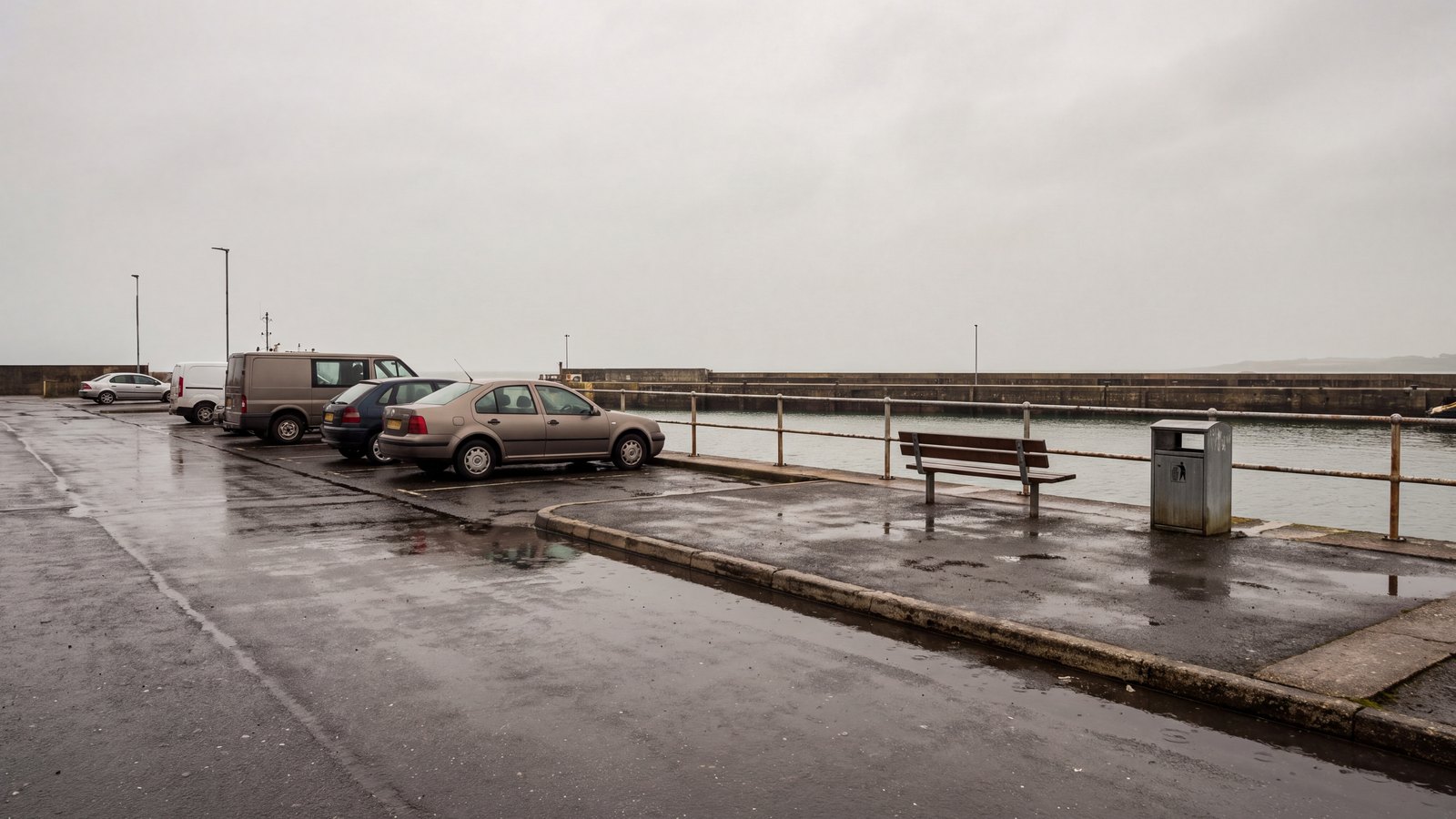
Riverfront city councils - Parking overstay review is strongest when observations, exemptions, case notes and closure reasons stay connected to a narrow rule.
Define the overstay question
A riverfront city parking overstay review should begin with the active time-limit rule, the observation method, the exception pathway and the point where a person confirms the case outcome.
That prevents the project from drifting into a general vehicle-history exercise when the practical question is narrower: what happened, which rule applied and what should happen next.
Use evidence that can be explained
Useful evidence may include observation time, location category, permit or session context, officer notes and reviewer outcome.
The evidence pack should make weak cases easier to stop as well as make supported cases easier to understand.
Treat retention as part of launch
Un-actioned reads, duplicate observations and exported reports need a visibility or deletion rule before staff rely on live data.
Councils should decide which records become case evidence and which can be aggregated or removed once the overstay review has no ongoing purpose.
Report without overexposing histories
Supervisors may need workload, review-age and zone-pressure reports, but those reports should avoid showing identifiable vehicle histories where aggregated data answers the same question.
A practical report helps staff manage the kerb and explain decisions without implying that technology decides the result.
Related reading