Bring parking, permits, inspections, evidence and reporting into one practical council workflow.
Experience the power of Aero Ranger

newsletter
Stay updated with industry insights, product updates, and exclusive tips.
How councils can organise school-zone parking evidence, time windows and reviewer notes without overstating local-law outcomes with a documented review path.
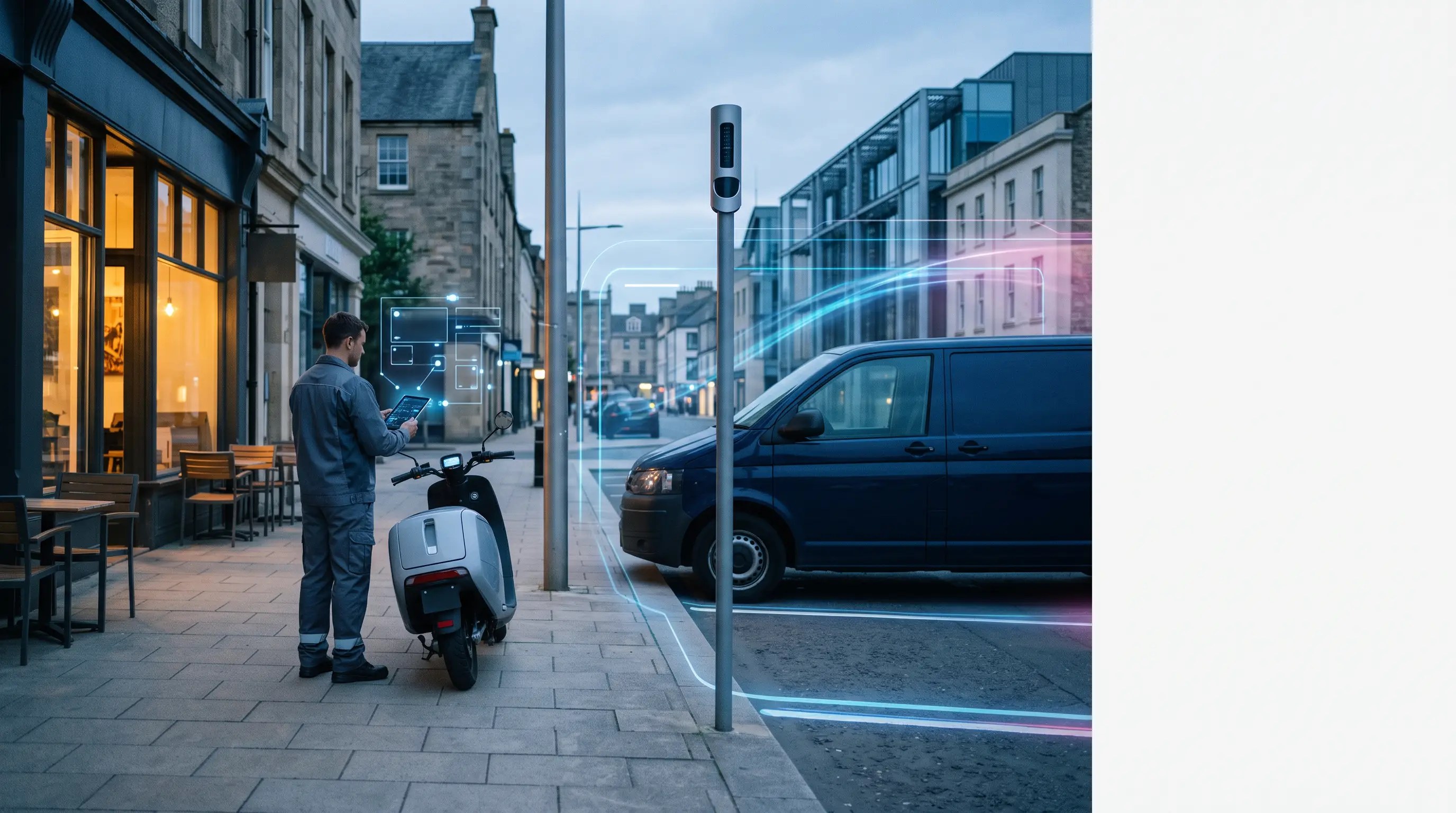
Northwestern borough councils - School-zone parking workflows work best when active time windows, signage context and closure reasons stay visible in the review record.
School-zone parking matters often depend on time of day, term dates, temporary traffic controls and sign placement. A northwestern borough council-style workflow should show the active window and observation context before staff consider any follow-up.
The review record should state what was observed and what context was checked. It should not suggest that the system independently decides whether a local rule has been breached.
A school precinct can include bus areas, accessible bays, loading spaces, no-stopping areas, parent pickup zones and staff permits. Each category can require different context, so the queue should identify the rule category clearly.
Separating categories also makes reporting easier to read. Managers can distinguish repeated evidence gaps from seasonal workload, event-day pressure or signage questions.
Useful records include observation time, site category, sign or bay context, image references where appropriate, officer notes, permit or exemption information, reviewer notes and outcome reason.
Where a matter is closed with no action, the closure reason is still important. It explains why staff did not proceed and helps the organisation refine instructions, patrol patterns or community information.
Reporting can show review volumes, peak windows, category mix and common missing information. These are planning views, not outcome forecasts about safer streets, fixed compliance gains or a settled legal result.
A conservative page should focus on evidence quality, responsible review and clear handover between field observations and office decisions.
