Bring parking, permits, inspections, evidence and reporting into one practical council workflow.
Experience the power of Aero Ranger

newsletter
Stay updated with industry insights, product updates, and exclusive tips.
How councils can manage time-limit parking observations, exemptions and reviewer outcomes in a careful evidence workflow with a documented review path.
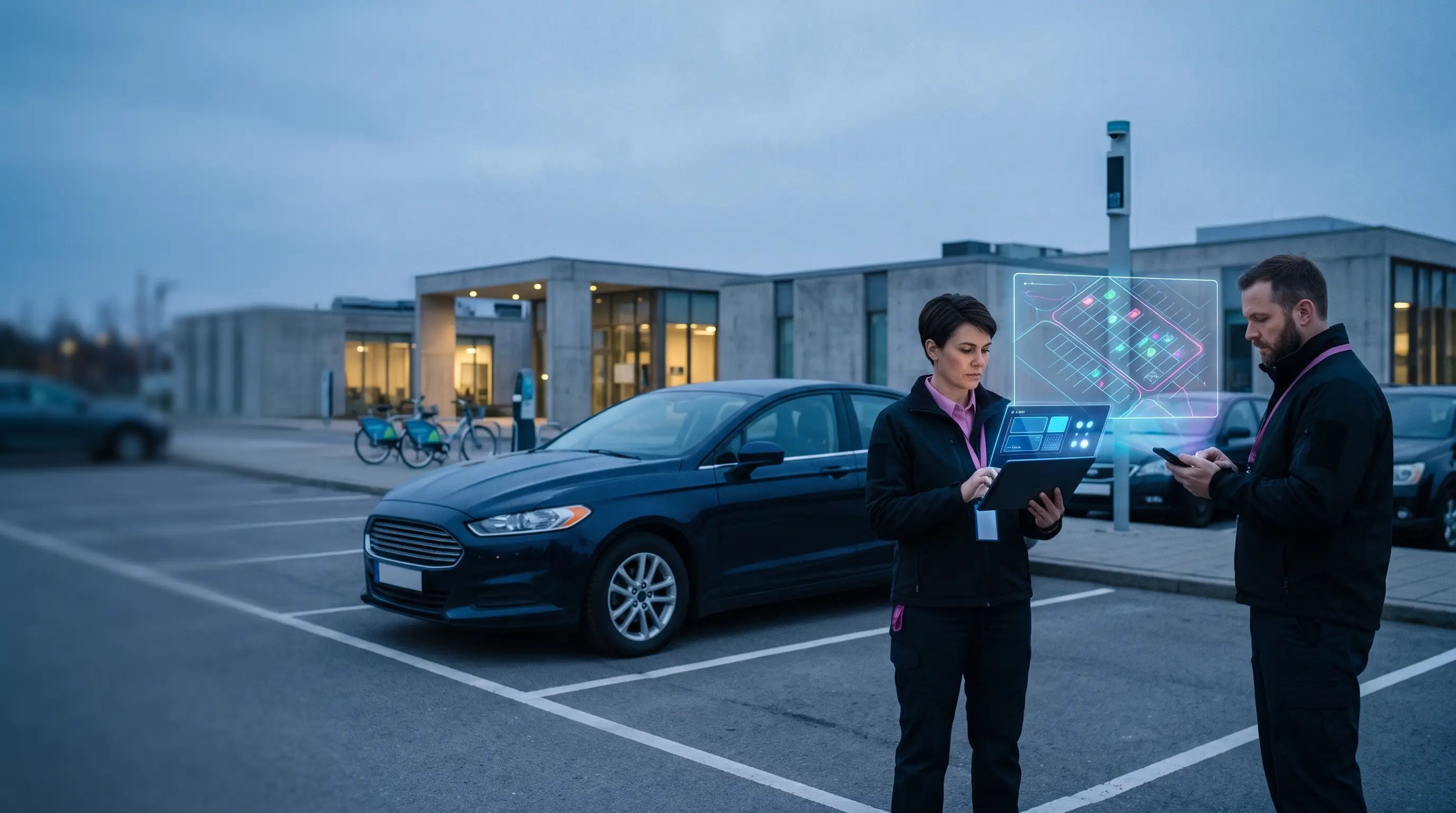
Mountain university city councils - Time-limit reviews need observation history, rule context and exception checks before a parking matter is closed or escalated.
Time-limit parking depends on sequence. A mountain university city council-style workflow should retain the first observation, later observation, location category, active rule period and any relevant notes in one record.
The goal is to make the matter reviewable. The workflow should not imply that repeated observation alone creates a settled legal result or a fixed outcome.
Timed areas can include permits, loading needs, accessible parking, events and temporary rule changes. Reviewers need those exception categories visible so they can decide what information is relevant.
Where a linked system supplies permit or session information, the review record should make the source and timing of that information clear.
Outcome categories should distinguish no action, warning, deferred review, incomplete evidence, referred matter and other locally approved statuses. Consistency helps reporting without forcing every matter into one path.
Officer notes and reviewer notes should remain separate. That makes it easier to explain what was observed in the field and what was decided later.
Reports can show review counts by zone, time period, category and closure reason. They are useful for management review and patrol planning, but they should not be presented as fixed compliance or revenue results.
A conservative migration page should focus on fair process, evidence quality and integration clarity.
