Bring parking, permits, inspections, evidence and reporting into one practical council workflow.
Experience the power of Aero Ranger

newsletter
Stay updated with industry insights, product updates, and exclusive tips.
Define who qualifies for delivery grace periods, when the clock starts and whether the allowance affects review, parking charges or both.
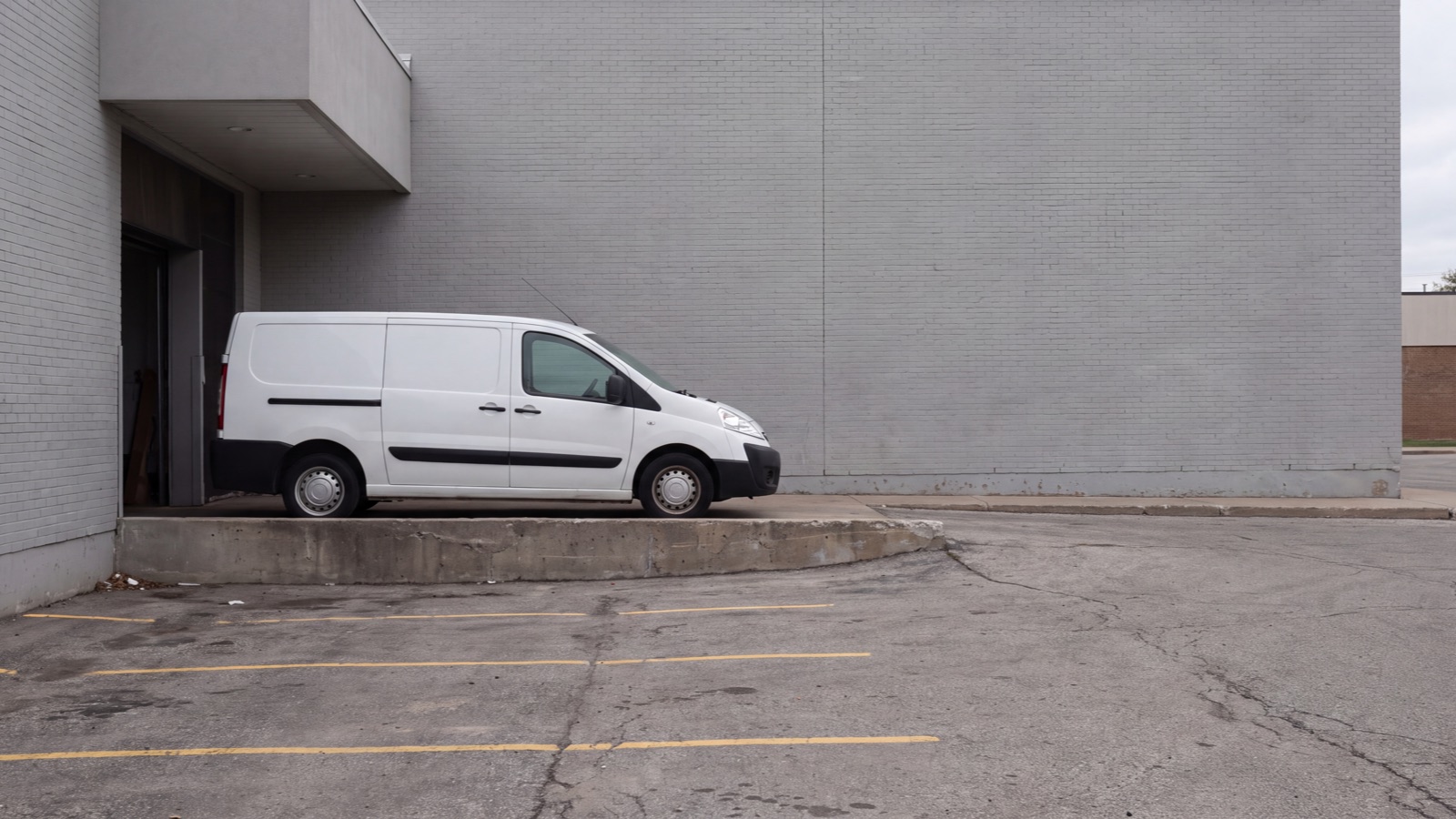
Delivery grace periods need clear eligibility, zones, timing and repeat-entry rules. A fifteen-minute allowance is a site policy choice, not a universal entitlement, and uncertain or missing timestamps need an agreed route for human review.
The rule should tell staff what happens to a legitimate short visit. It also needs to distinguish a delay before an observation is reviewed from a change to the amount charged by the parking service.
Attendants once handled delivery allowances through judgement, loading permits or a noted arrival time. Configuration makes that policy more explicit.
It does not remove the need to decide what the allowance means, particularly when the same time window could be interpreted as a review grace period or as free parking.
A delivery allowance can help where short visits share space with ordinary parking. A designated loading area, scheduled booking or temporary permit may fit better than a blanket allowance.
Vehicle appearance is not enough to justify repeated free visits, so the eligibility rule needs to reflect the delivery arrangement actually approved for the property.
Identify the time source and the event that starts or ends the allowance. Test arrivals at the boundary, late departures, repeat entry, interrupted deliveries and a missing exit. Clock synchronisation and delayed messages matter because the time a record arrives is not necessarily the time the vehicle crossed the lane. Keep those distinctions visible during review.
For example, a delivery arriving just before the loading window closes needs the agreed boundary rule, rather than an assumed extra fifteen minutes. The site should approve and communicate whether the allowance affects review, charges or both. Assistance staff need that same interpretation when a driver questions the recorded duration or an incomplete visit.
Aero Ranger CORE Grace Periods applies configured time allowances before related observations are presented for action. This supports review against the approved timing rule.
Delivery eligibility, repeat-visit handling and any tariff connection still need checking in the proposed setup. The feature does not establish automatic courier identification or a free-payment entitlement in an external parking service, which remain separate operating questions.
Aero Ranger: Grace periods; Aero Ranger: Zone rules and scheduling
Sources were reviewed on the publication date. Check the linked material for current details.
