Bring parking, permits, inspections, evidence and reporting into one practical council workflow.
Experience the power of Aero Ranger

newsletter
Stay updated with industry insights, product updates, and exclusive tips.
Barrier failure behaviour belongs to the assessed installation; power loss, network loss and manual release require separate operating decisions.
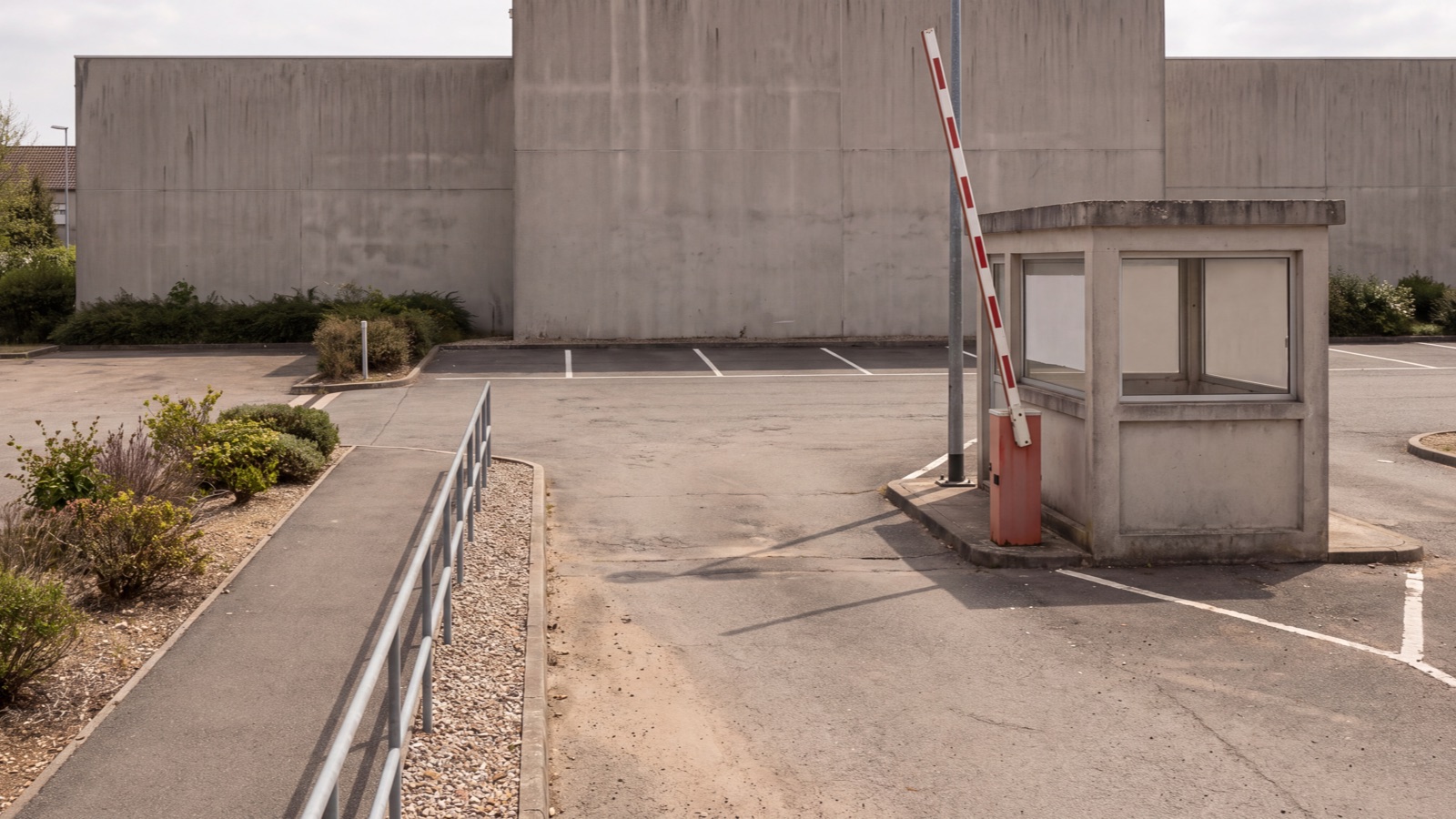
The barrier's failure state must follow the assessed installation, its controller and the site's safety and access requirements. A competent gate specialist should establish what happens during power loss and how authorised manual release works.
Neither automatic opening nor automatic closing is an appropriate assumption for every barrier. UK HSE guidance emphasises assessment of the individual gate installation, rather than a universal response. The agreed response should also cover the emergency arrangements appropriate to that particular site.
Barrier failure behaviour comes from mechanical access design and electrical control. Adding networked plate observations introduces another dependency without replacing the physical mechanisms that restrain or move the boom.
That is why loss of network, loss of control software and loss of power need separate scenarios. They may leave quite different parts of the lane available.
A controller that remains powered during a network outage may continue under its configured logic. If the whole lane loses electricity, powered movement depends on another energy source or the mechanical design.
A remote opening request is therefore different from a physical power-loss response. Manual release may permit movement without causing the barrier to move automatically; the approved procedure must reflect that distinction.
The gate specialist should witness each relevant failure condition under an assessed test plan. Manual-release access, assistance, signage and emergency arrangements belong in that review. Unassessed movement should not be tested with pedestrians or live traffic in the hazard area.
Recovery deserves its own observation: what returns to normal control, and who authorises it? Vehicle-session records may need reconciliation after the physical access problem is resolved. Restoring movement and restoring a complete parking record are related but separate tasks.
COREconnect concerns camera-event context and review. Its published workflow does not specify whether a particular barrier stays down, opens or remains mechanically restrained after a failure.
That behaviour belongs to the specific controller, installation assessment and approved operating procedure. The camera connection should be documented alongside those arrangements, with its role clearly understood.
Aero Ranger: compatible camera events with COREconnect
Sources were reviewed on the publication date. Check the linked material for current details.
