Bring parking, permits, inspections, evidence and reporting into one practical council workflow.
Experience the power of Aero Ranger

newsletter
Stay updated with industry insights, product updates, and exclusive tips.
A loop detects vehicle presence, not a plate; trigger timing, direction and missed signals need an explicit lane interface and test plan.
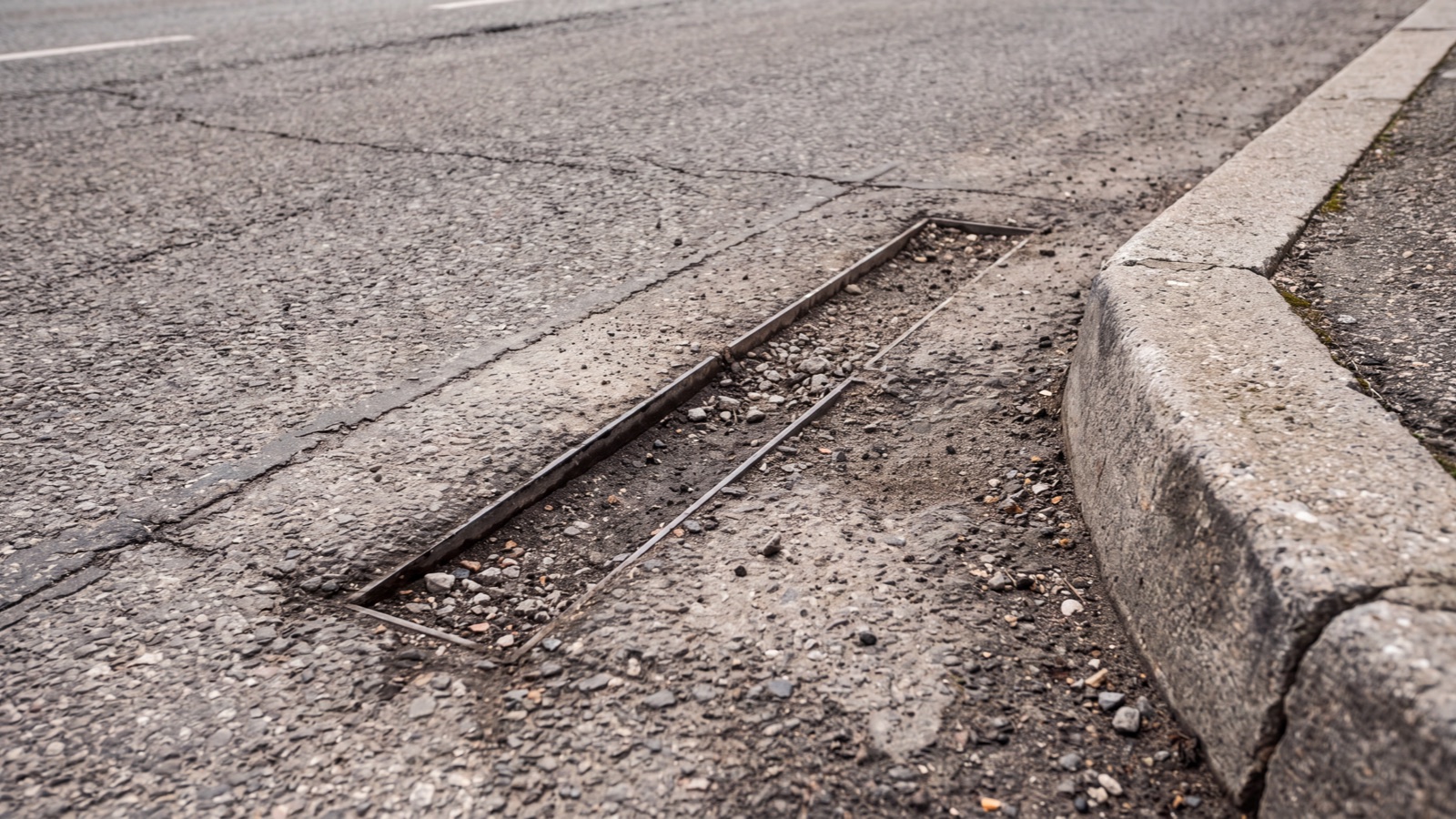
A loop detector needs an explicit interface with the camera or lane controller. The design should show which signal starts a capture, how it is timed and which component associates that signal with a plate observation.
Direction, repeated signals and missed detections also need defined behaviour. These are session-logic questions, separate from the gate's independent safety arrangements and any safety sensors.
Inductive loops belong to the vehicle-presence layer of lane design. They monitor a buried wire loop to detect vehicle presence or movement; they do not read the registration.
Combining a loop with plate capture links an electrical observation to an identification observation. That link needs interpretation before it becomes a vehicle event or part of a parking session.
Loops can suit lanes where their detection characteristics fit the traffic. Other supported triggers or continuous observation may be alternatives. Vehicles outside the usual pattern, including small motorcycles, need specific testing.
Whatever starts the capture, it should not be treated as interchangeable with a safety sensor. Timing trials must preserve the gate's independent safety arrangements and use an assessed test plan.
A presence output can stay active while a vehicle occupies the loop. A pulse gives a brief transition instead. Two positions can support direction through an A-then-B sequence, but closely following vehicles or overlapping occupancy may make that sequence ambiguous. Two channels alone do not define a parking session.
The interface drawing should connect loop output, controller input and event boundary. Test stopped vehicles, close followers and a small motorcycle under the safe plan. A missed trigger should have a documented exception path, including how the affected plate record is reviewed.
Aero Ranger normalises supported camera events into CORE context. That event workflow does not establish a direct connection to a ground-loop detector in a particular lane.
The loop interface remains part of the installed design. Its supported connection and timing need evidence from that arrangement before it is relied on to trigger capture.
Aero Ranger: compatible camera events with COREconnect
Sources were reviewed on the publication date. Check the linked material for current details.
