Bring parking, permits, inspections, evidence and reporting into one practical council workflow.
Experience the power of Aero Ranger

newsletter
Stay updated with industry insights, product updates, and exclusive tips.
A useful installation quote explains the ground work, existing services and lane layout, with clear allowances for unexpected conditions.
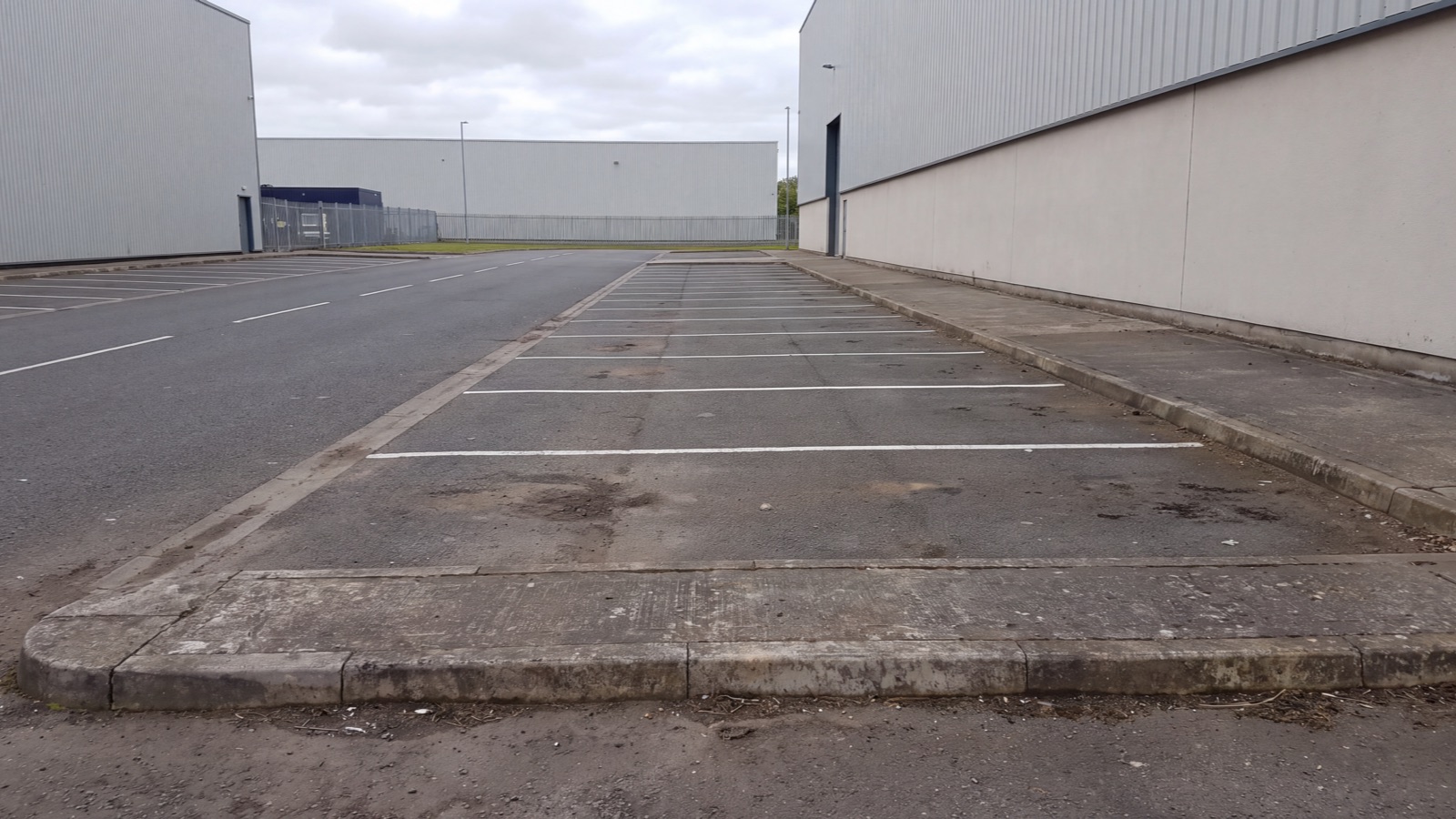
Civil works should be priced from a measured site scope: excavation, conduit, foundations, drainage, electrical work and pavement reinstatement. A percentage added to the camera price tells you little about what the contractor will actually build.
The quote also needs to explain traffic management, underground services and the approval process for variations. These are often where an apparently straightforward lane installation becomes a different job once the ground is opened.
Cameras need stable supports, protected services and a useful view of approaching plates. An older lane designed around a ticket machine may have power nearby while offering no suitable mounting position for the proposed camera.
That history matters when reusing infrastructure. A visible conduit is only a possible route until its condition and suitability are established; existing pavement and drainage also shape where new equipment can reasonably go.
A new traffic island or a cut detection loop is not an automatic requirement. The designer may consider verified existing conduits, another detection method or a different mounting position, depending on the proposed capture arrangement.
Those alternatives still have to meet electrical, drainage and safety requirements. Compare complete layouts with the same operating purpose, including the work needed to make retained infrastructure usable, rather than counting only new equipment.
As an illustration, not contractor pricing, 20 metres of trench at AUD 180 per metre comes to AUD 3,600. Two foundations at AUD 900 each add AUD 1,800. Reinstatement of AUD 800 and traffic management of AUD 600 bring that assumed scope to AUD 6,800.
That example excludes unlocated services and changed ground conditions. A drawing and quantity schedule should show trench routes, surface types, crossings and reusable services. Record the unknowns, who investigates them and who approves extra work before excavation begins.
Aero Ranger's fixed-site SolarLink approach considers the structure, power, cameras and connectivity together. That ties the installation discussion to the intended observations, giving the civil scope a concrete purpose alongside the equipment list.
For a proposed site, the useful comparison is therefore the whole deployment: what can stay, what needs building and which assumptions still need a survey. The final civil allowance needs to reflect that particular design.
Aero Ranger SolarLink: fixed-site edge deployment
Sources were reviewed on the publication date. Check the linked material for current details.
