Bring parking, permits, inspections, evidence and reporting into one practical council workflow.
Experience the power of Aero Ranger

newsletter
Stay updated with industry insights, product updates, and exclusive tips.
A council procurement guide to ANPR camera and location planning, including workflows, evidence, integrations, data governance and review.
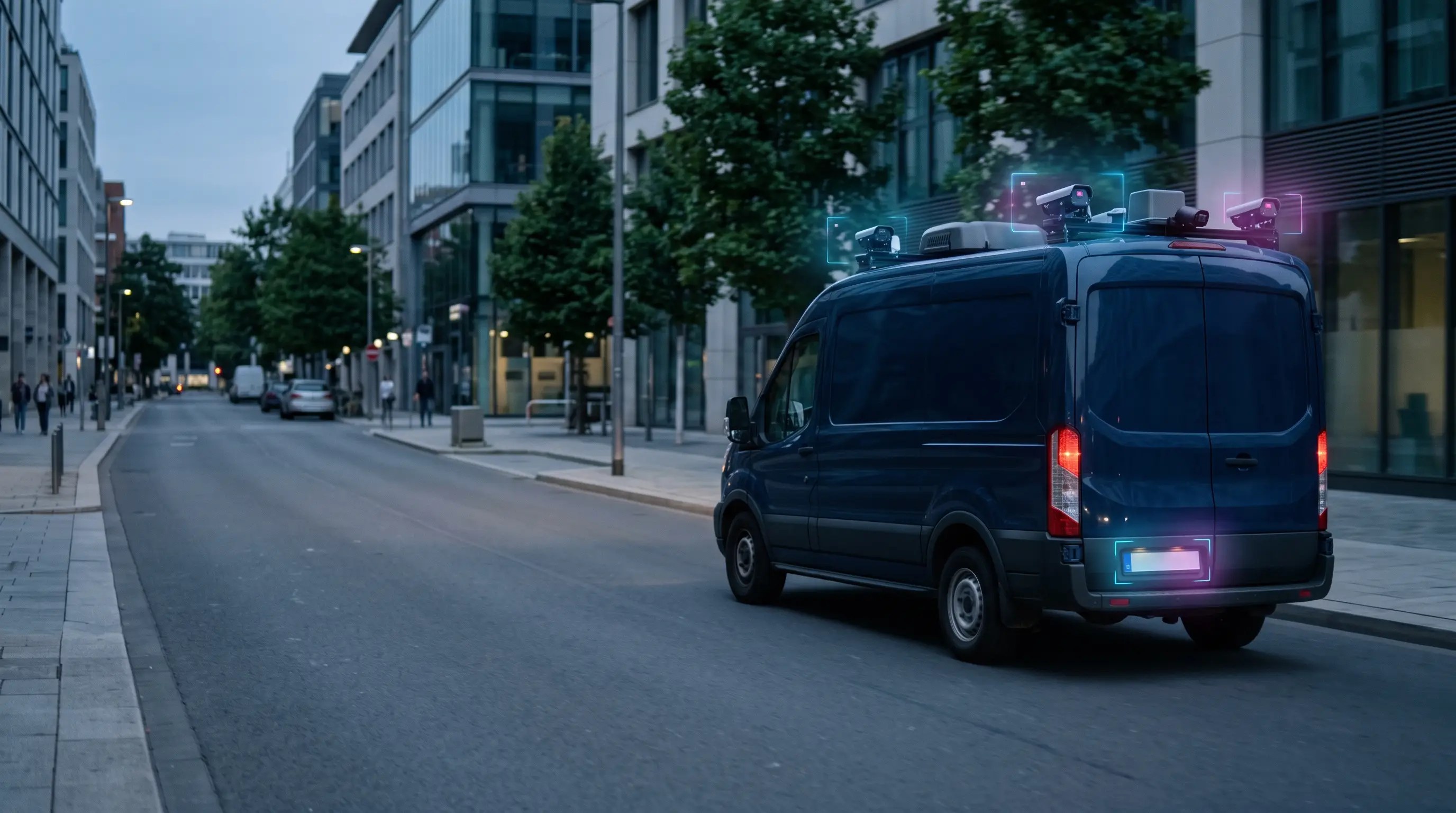
Australian councils - ANPR camera procurement should look beyond hardware and consider the full operating workflow: zones, evidence, review, integrations, support and reporting.
ANPR procurement can easily become a comparison of camera specifications: resolution, mounting, read range, infrared performance, vehicle fit-out and storage. Those details matter, but they are only part of the decision. Councils also need to understand how the camera output becomes a reviewable compliance record.
A technically capable camera can still disappoint if the surrounding workflow is weak. Officers need to know where the read occurred, which rule applies, what evidence was collected and whether permit or session data was checked. Reviewers need to see the record in context. Managers need reporting that explains patrol coverage and outcomes rather than only capture volume.
A good procurement process asks how the system handles common council scenarios. Can it support timed parking, permit zones, paid parking, repeat sightings and local-law vehicle matters? Can different zones have different rules and grace periods? Can field notes and images stay attached to the plate record? Can possible breaches be reviewed before any notice process begins?
It is also worth asking how exceptions are handled. Permits may be valid in one zone but not another. A vehicle may have an active parking session but be in the wrong area. A plate read may be unclear. A location may have temporary signage or works. The system should make those cases reviewable rather than hiding them behind a simple match or no-match result.
ANPR records can include sensitive operational data, so councils should ask clear questions about retention, access, audit history and deletion. Who can see plate reads? How long are records retained? What happens to records that do not progress? How is reviewer activity logged? How are exports controlled?
These questions belong in the buying process because they affect implementation, policy and public confidence. A council does not only buy a camera; it buys an evidence workflow. The more clearly that workflow is described, the easier it is to configure, train, review and explain.
Business cases are strongest when they describe practical operating benefits rather than promised results. It is reasonable to discuss patrol coverage, evidence consistency, review visibility, permit checking and reporting. It is risky to promise enforcement certainty, fixed technical outcomes, revenue results or unreviewed decisions before the local policy and workflow have been reviewed in practice.
A useful ANPR business case explains the current pain points, the proposed workflow, the review controls and the measures that will be used during a trial. That gives decision-makers a grounded way to assess whether the technology fits the council operating model.
Search terms such as “Axis ANPR camera”, “Axis ANPR”, “Milesight ANPR camera”, “ANPR camera Perth” and “ANPR cameras Perth” are usually early procurement searches. They should lead to practical buying questions rather than a shallow vendor comparison.
Councils can compare camera options by mounting needs, lighting conditions, supported integrations, data handling, redaction support, retention settings, support model and how well the camera output fits an evidence review workflow.
For Australian city searches, the same checklist applies: the important decision is not only where a supplier is located, but whether the ANPR camera, software and review process can meet local policy, privacy and security expectations.
Searches for ANPR camera locations often mix two different questions: where cameras could physically see plates, and where an organisation has a lawful, proportionate operational reason to collect plate observations. Treat those as separate decisions. A clear project brief should name the parking area, kerbside corridor, permit zone, airport access road, campus route or survey location before any mounting point is chosen.
For a Perth, WA or other city-specific project, the useful planning question is not whether a particular street appears in a camera-location search. It is whether the location has defined rules, readable approach angles, safe installation access, lighting that supports reviewable images, privacy controls for bystanders and neighbouring properties, and a process for a person to check exceptions before any case step.
Document location decisions in plain language: purpose, area boundary, collection times, retention setting, reviewer role, data handover and public communication. That record makes camera placement easier to audit and helps teams avoid turning a general ANPR camera search into an unsupported claim about a particular council or street.
