Compliance casework
Aero Ranger helps councils and authorised teams manage vehicle noise complaints by linking reports, vehicle observations, location context, repeat activity, evidence, referral actions and outcome reporting in one case workflow.
30 days risk free. Start with one workflow and a clear success criterion.
The operating problem
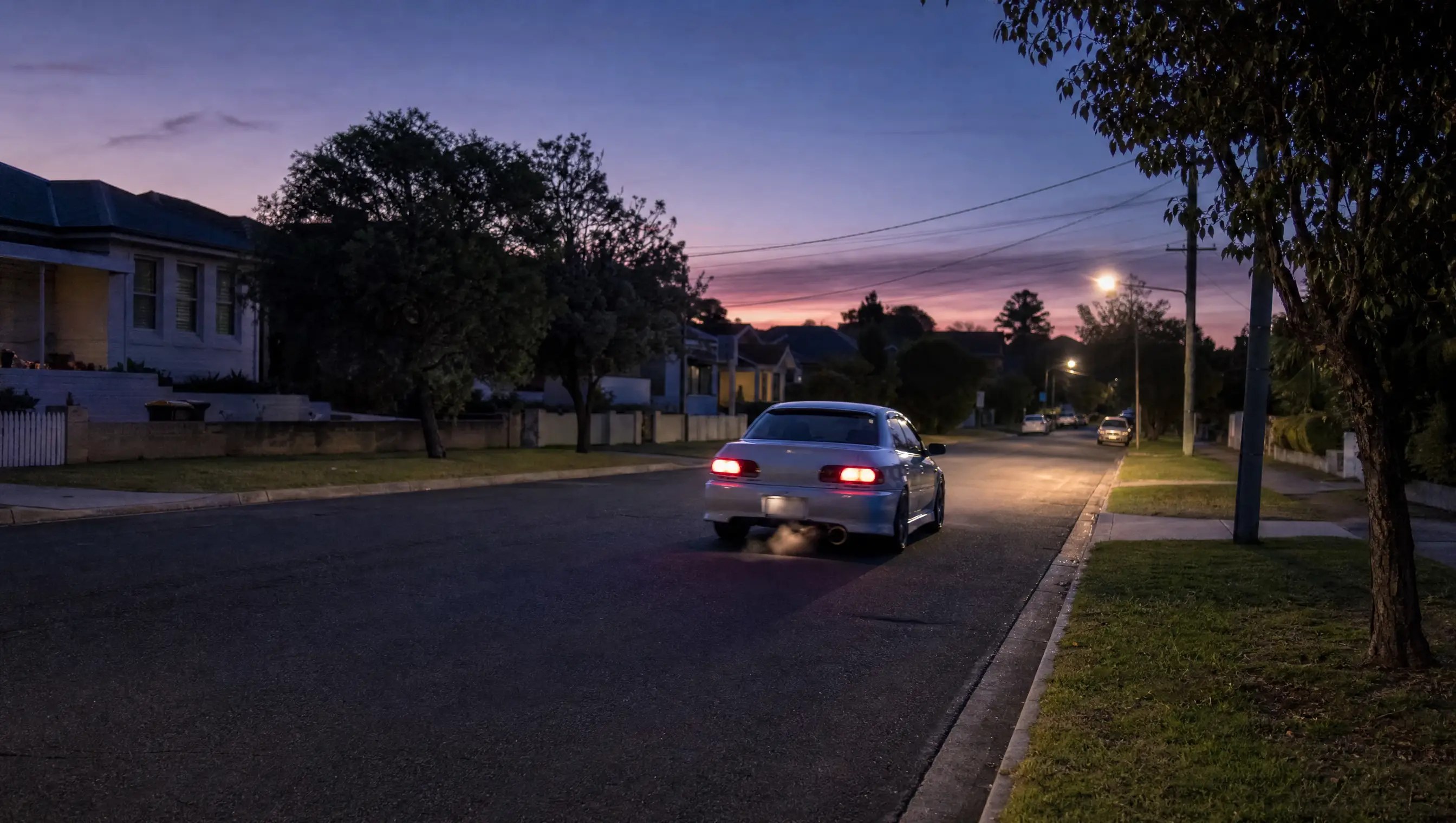
Vehicle noise complaints can involve residents, roads teams, police, EPA or transport agencies. The workflow needs to record what was reported, what was observed and whether council action, education or referral is appropriate.
The source workflow
Start with resident complaint intake and repeat-location review, then connect evidence, patrol observations and referral actions where appropriate.
Capture time, place, vehicle description, reporter note, impact, repeat history and any evidence provided.
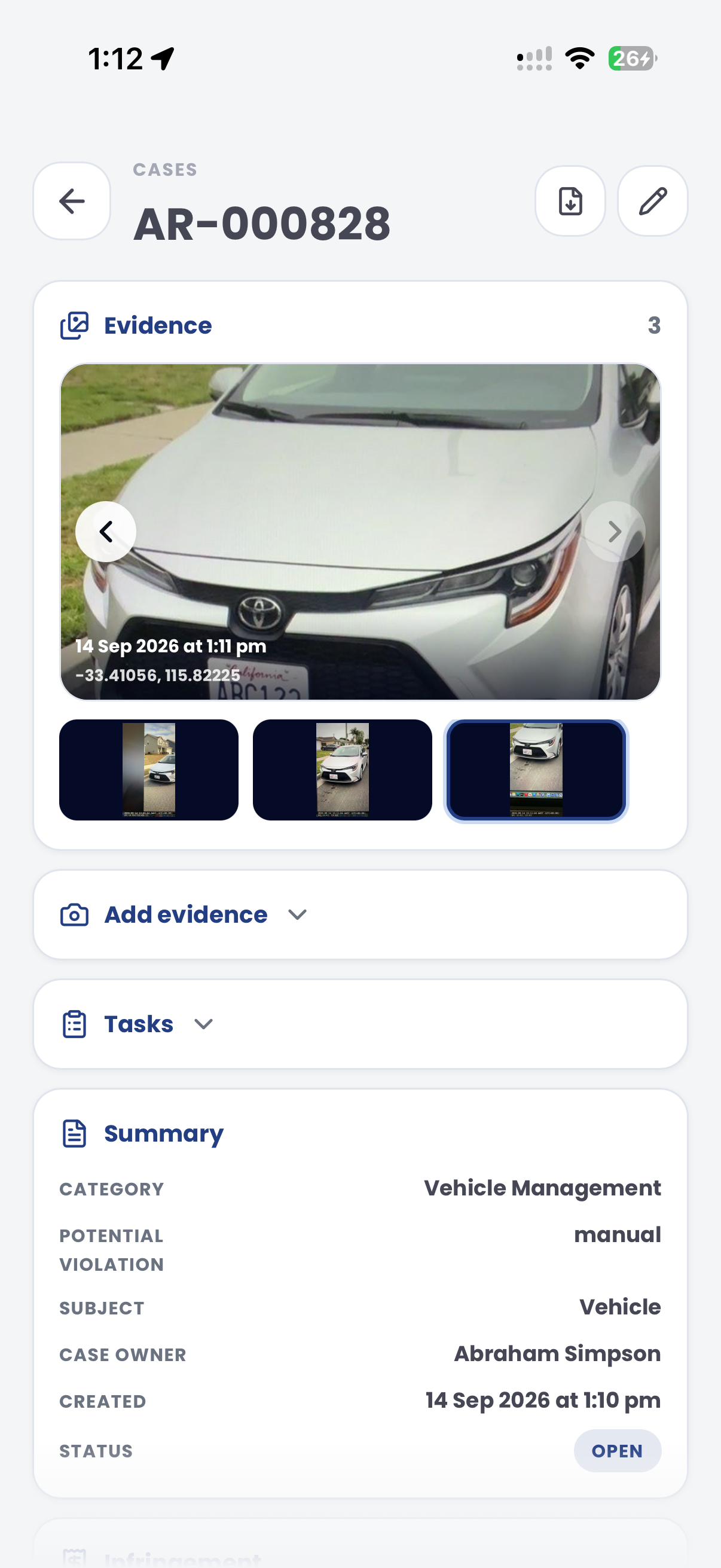
Link sightings, photos, partial plate, make, colour, direction of travel and patrol observations where available.
Compare location, time window, similar descriptions and prior cases before assigning follow-up.
Assign patrol review, contact the reporter, educate, refer to the relevant authority or close with a clear reason.
Export complaint volumes, hotspot streets, repeat vehicles, referral status and closure reasons for managers.
Noise reports need careful wording, time, place, vehicle description and corroborating observations before escalation.
The reviewable record
Teams need the report, vehicle description, place, time, repeat pattern, supporting evidence and outcome decision visible together.
A focused first test
Bring a real complaint-led scenario and we will map intake, vehicle context, repeat activity, evidence, referral actions and reporting.
Open vehicle noise complaints with fields for location, time, vehicle description, reporter notes, repeat history and priority.
Attach plate reads where available, photos, vehicle descriptions, officer observations and repeat sightings to the same matter.
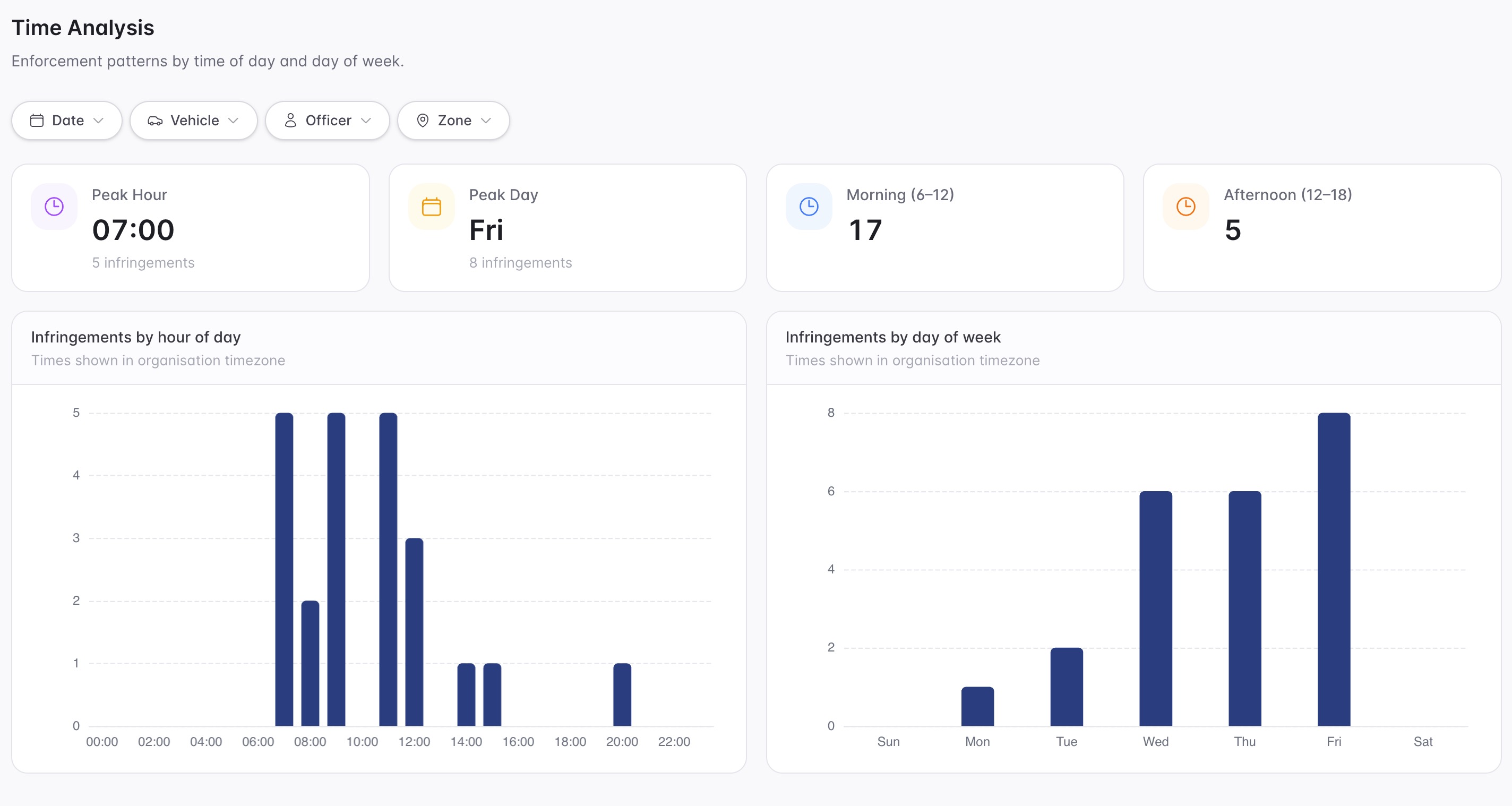
Review complaint hotspots, peak periods, repeat streets and patrol coverage to decide where follow-up should happen.
30 days risk free. Start with one workflow and a clear success criterion.
Related operating considerations
Use vehicle type, route, time and repeat-location review for amenity and road-use concerns.
Use governed lists and alerts where a vehicle is authorised for ongoing monitoring.
Review complaint-led transport activity around ranks, pickup zones and event areas.
Report complaint load, response work and referral outcomes by officer, area or period.
The field app / iPhone and Android
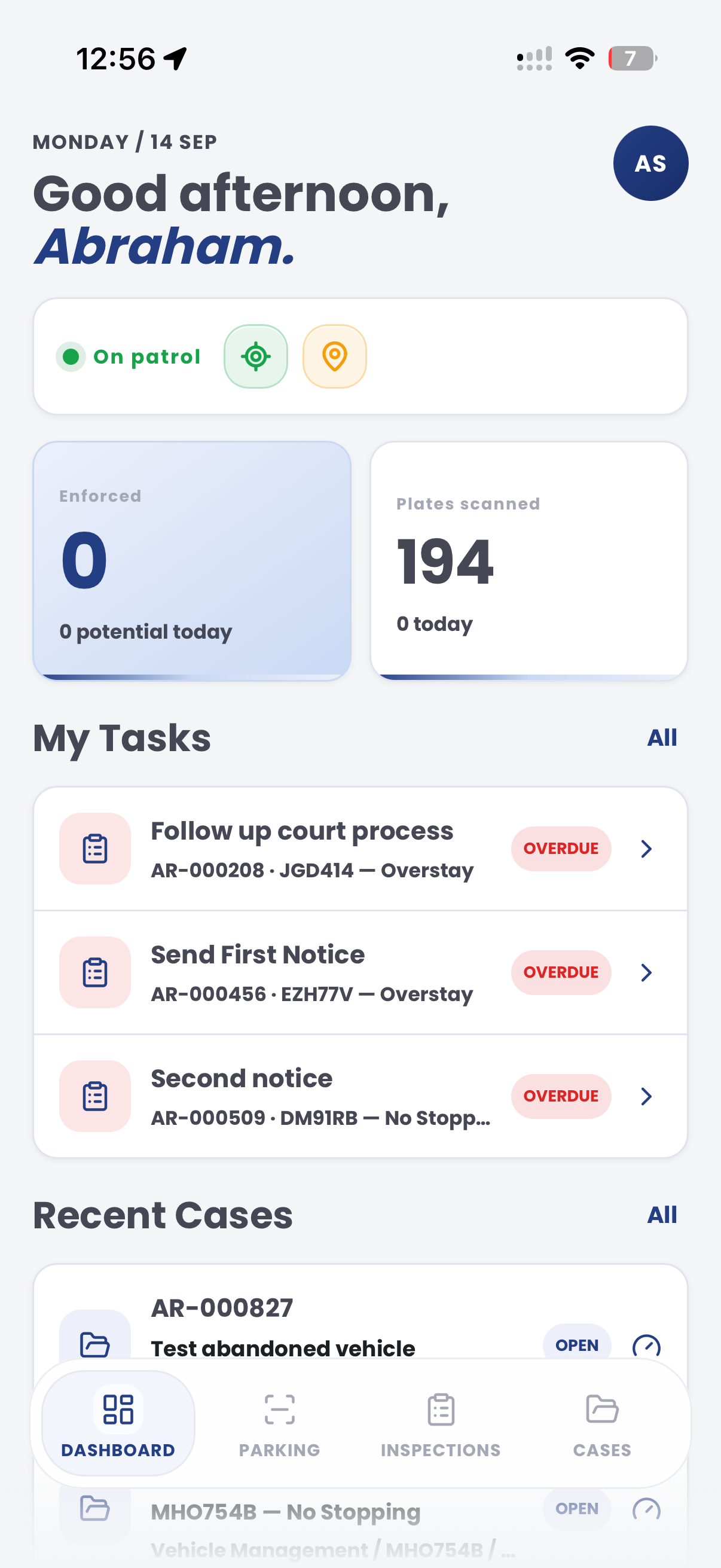
Record the location, vehicle observations and site context during a visit. Keep findings with the complaint record for review and any appropriate referral.
Customer field stories
Seven short case studies covering parking, patrol, evidence and compliance workflows in real operating environments.
A council team discusses field capture, review and day-to-day parking operations.
Full product walkthrough
Watch the full CORE walkthrough for a closer look at connected field work, evidence, cases, permits and reporting.
Use a free 1:1 strategy session to outline the current process, name a practical success criterion and decide whether to start a 30-day risk-free trial.
Free from Aero Ranger
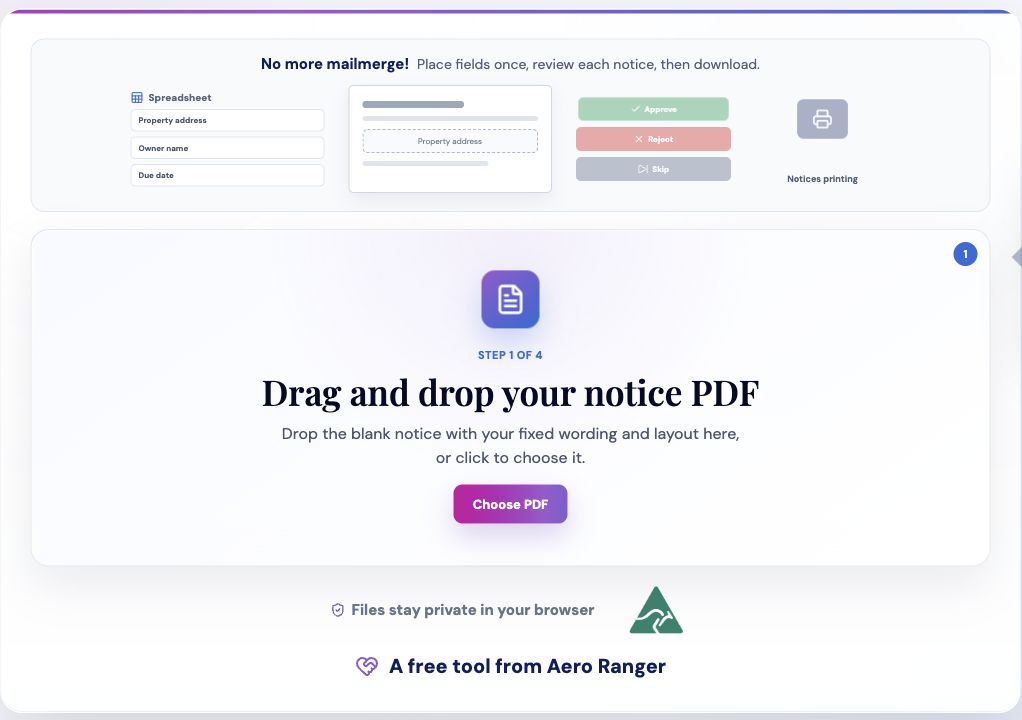
No login required. Aero NoticeFlow turns spreadsheet rows and your approved notice PDF into individual notices you can review and download in your browser.