Vehicle and traffic operations
Aero Ranger helps teams understand where field vehicles operated, which zones they covered, what activity they captured and how fleet movement relates to compliance outcomes.
30 days risk free. Start with one workflow and a clear success criterion.
The operating problem
Field vehicles generate operational value through coverage, capture, inspections, surveys and response. Movement data needs to be connected to that work.
The source workflow
Fleet tracking is useful when it explains coverage and output, not just dots on a map. Council managers need to see where vehicles operated, what work was done and where gaps or exceptions occurred.
Confirm vehicle, officer, device, route, priority zones, shift time, expected coverage and any planned exceptions.
Review route history alongside scans, inspections, cases, alerts, warnings, notices and device health.
Identify missed areas, duplicated passes, outage periods, priority-zone coverage and how deployment should change next shift.
Vehicle, device, officer or team, shift, route, active time, last seen and device health.
Zones visited, streets covered, patrol gaps, repeat passes, distance, time on route and priority areas.
Scans, alerts, inspections, cases opened, warnings, notices and survey records connected to the route.
The reviewable record
The useful question is not which feature exists. It is whether the team can see the place, rule, evidence, exception, next action and review history before making a decision.
A focused first test
Bring a patrol route or fleet reporting question and we will map vehicles, devices, coverage, outputs and exportable reports.
Confirm active vehicles, device health, capture sources and operating settings.
Link movement to configured zones, sites and patrol areas.
Record scans, survey observations, alerts, inspections and case activity.
30 days risk free. Start with one workflow and a clear success criterion.
Related operating considerations
Compare vehicle movement with officer activity, workload and output.
Use coverage and survey data to understand zone use and service levels.
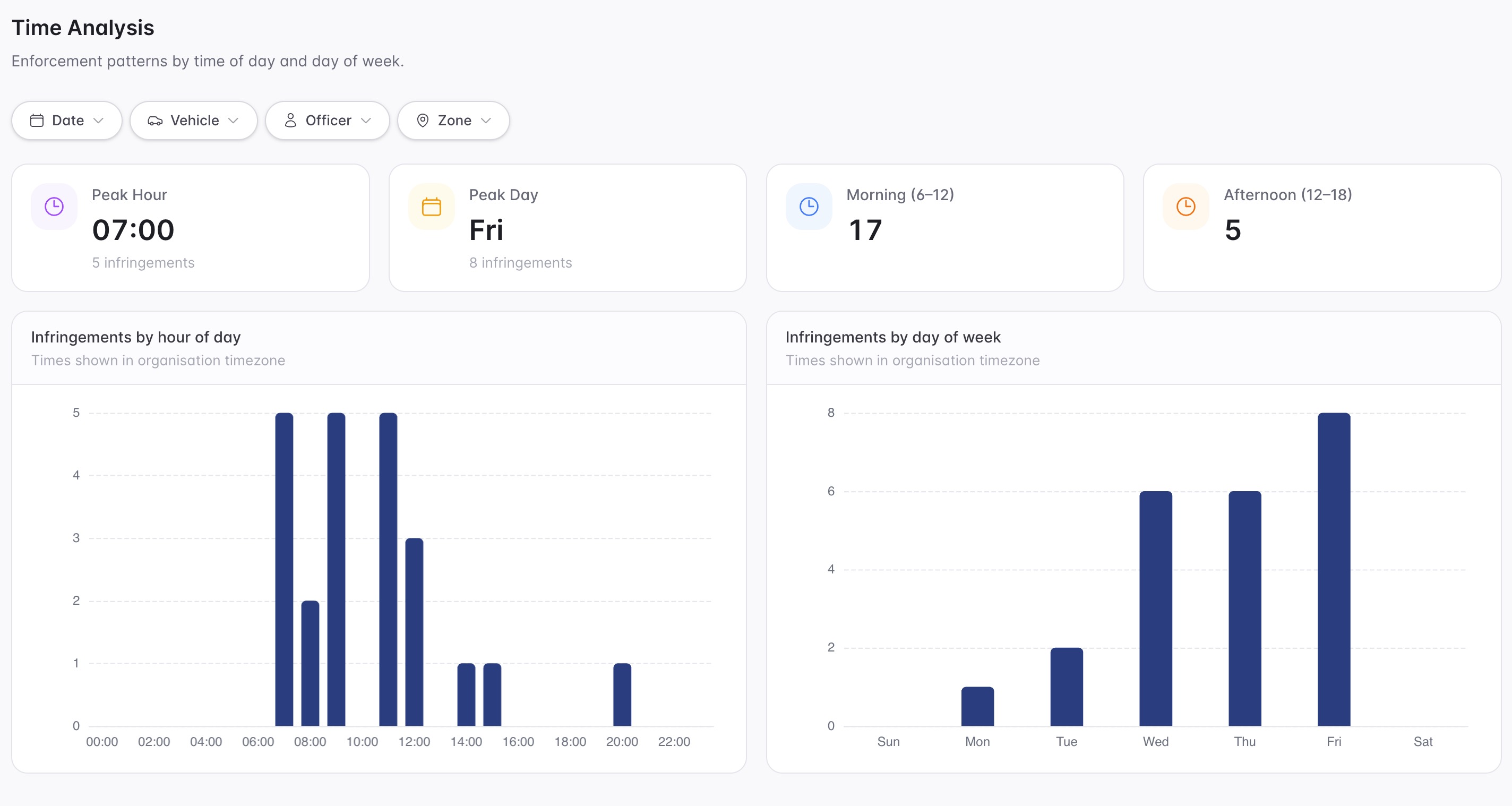
Review movement and enforcement output by time of day and day of week.
Connect fleet effort and operating cost to enforcement outcomes and value.
The field app / iPhone and Android
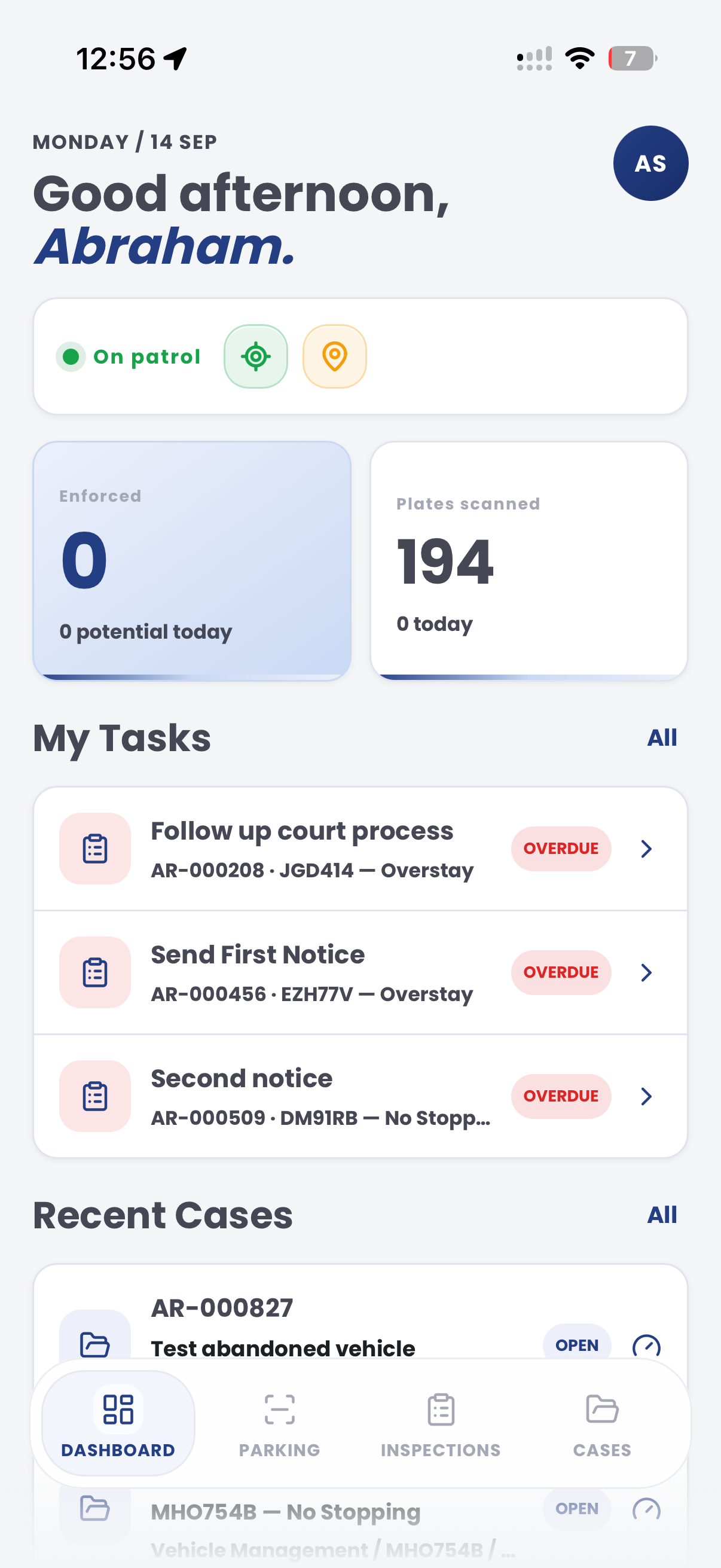
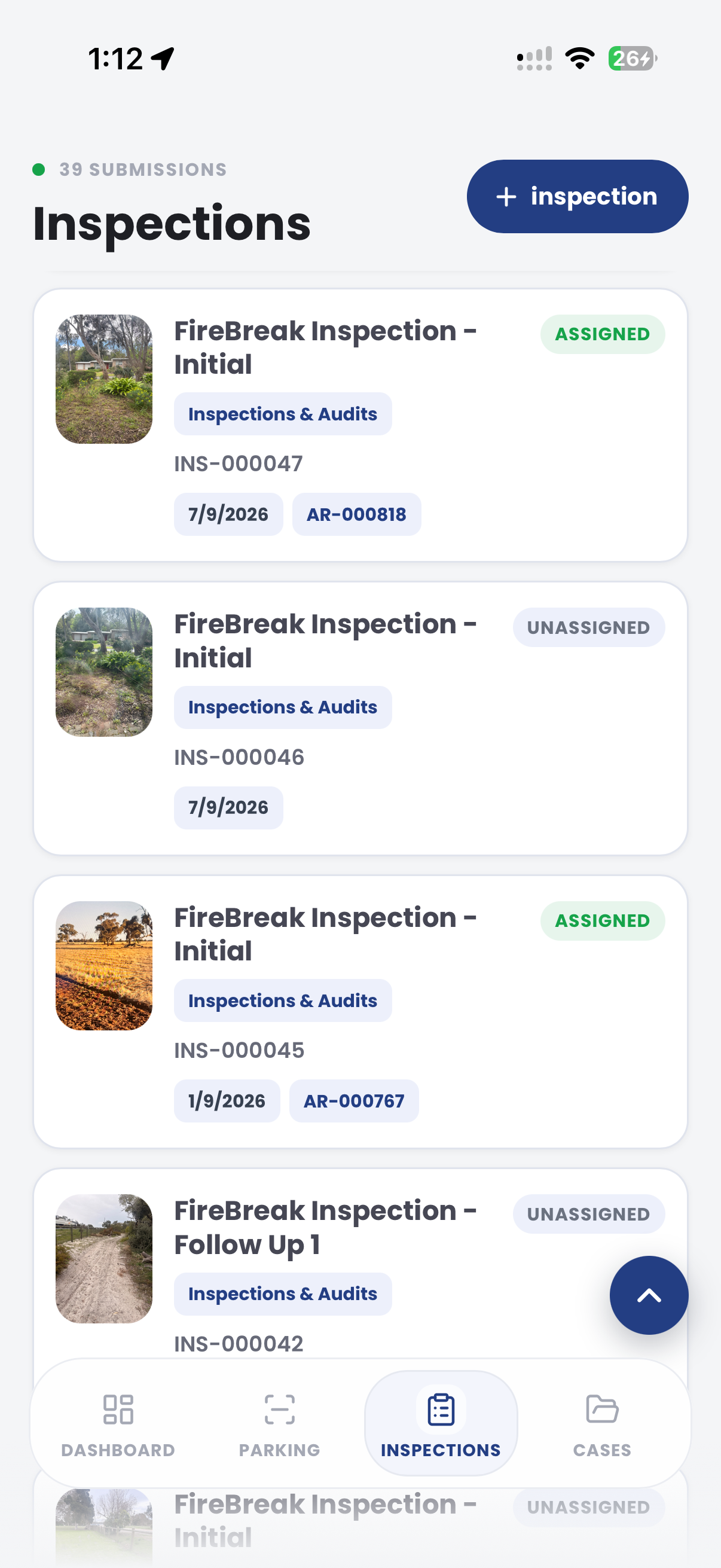
Keep the officer's tasks, cases and inspections close at hand. PatrolLink complements the wider fleet view with records of the work carried out on site.
Customer field stories
Seven short case studies covering parking, patrol, evidence and compliance workflows in real operating environments.
A council team discusses field capture, review and day-to-day parking operations.
Full product walkthrough
Watch the full CORE walkthrough for a closer look at connected field work, evidence, cases, permits and reporting.
Use a free 1:1 strategy session to outline the current process, name a practical success criterion and decide whether to start a 30-day risk-free trial.
Free from Aero Ranger
No login required. Aero NoticeFlow turns spreadsheet rows and your approved notice PDF into individual notices you can review and download in your browser.