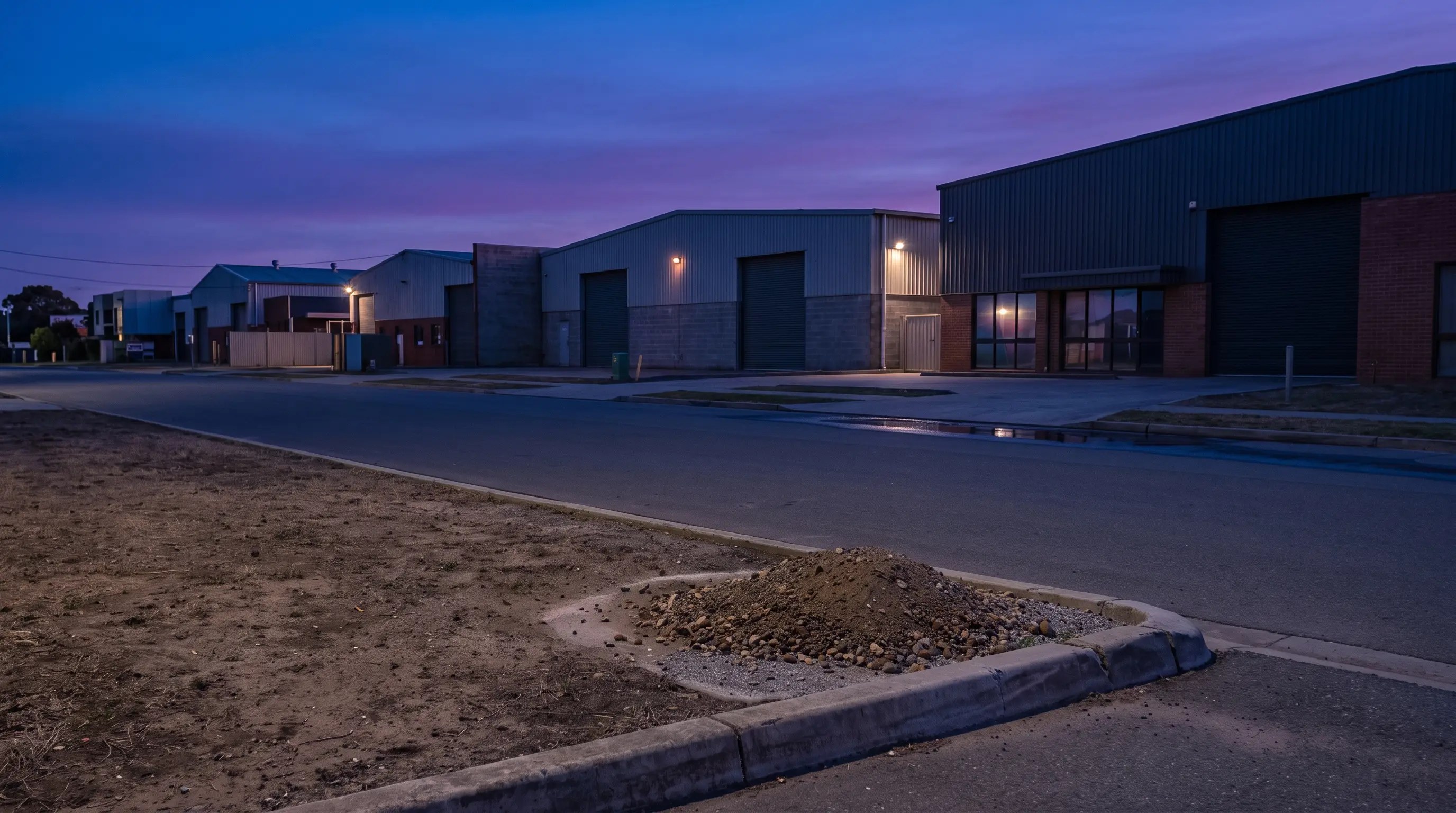
Illegal dumping enforcement - Reports of large dumping fines in Wyndham highlight the practical chain from roadside camera evidence to case review and follow-up.
Commercial vehicles fined after dumping report
Wyndham City Council fined two commercial vehicles $10,176 each after anti-dumping CCTV captured soil being dumped on a roadside in Tarneit, according to a Yahoo News Australia report supplied for review.
The report said illegal dumping had already cost the community more than $2.5 million in the current financial year.
Camera evidence is only the start
Roadside cameras can help identify a vehicle, time and location, but the enforcement record still needs to be assembled carefully.
For local-law teams, that usually means connecting images, vehicle details, site notes, clean-up records, notices, review decisions and correspondence in one case file.
Ranger follow-up remains central
Illegal dumping matters can involve vehicle owners, contractors, land managers and clean-up teams. A camera record may begin the file, but staff still need to decide what follow-up is appropriate under council process.
Good reporting separates the alleged dumping event from later actions, including site remediation, requests for information, infringement decisions and any escalation.
What councils can learn
Dumping hotspots benefit from evidence that is structured from the first report. Location, material type, vehicle context and clean-up cost should be easy to review without relying on scattered notes.
That structure helps supervisors understand workload, repeat locations and case outcomes while keeping enforcement decisions attached to authorised review.
Related reading
Sources
This article is based on a Yahoo News Australia report and supporting public context about Wyndham roadside dumping enforcement.