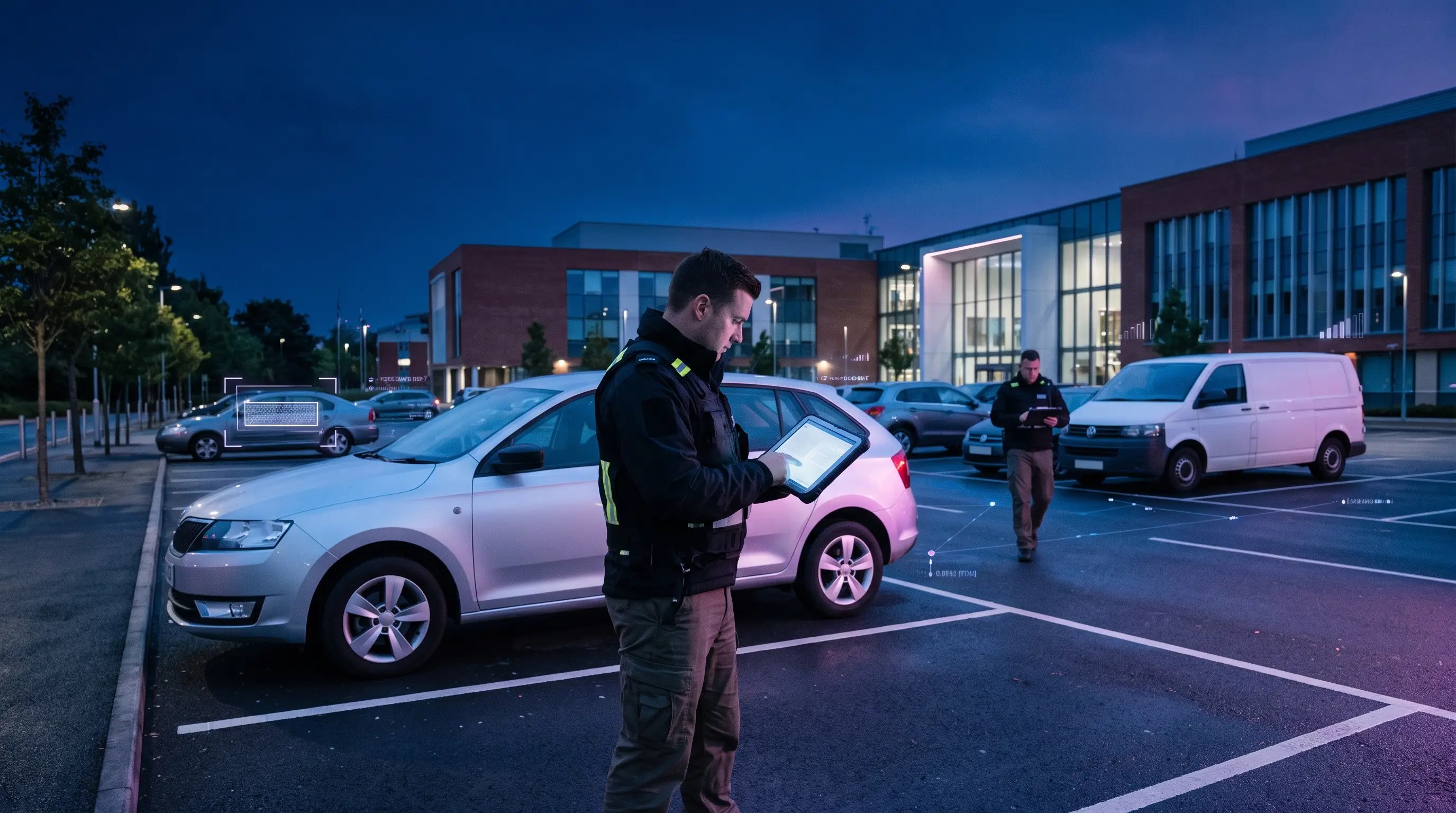
Australian universities - University parking programs often need to balance staff, students, visitors, contractors, events and restricted areas across a compact operating environment.
Campus parking has its own operating rhythm
University parking is not the same as a city-centre parking precinct. Demand changes with teaching periods, exams, graduations, sporting events, open days, construction projects and semester breaks. The same car park may serve staff in the morning, students during the day, contractors in a short window and visitors during an event. That makes the enforcement workflow more dependent on time, entitlement and location context.
A campus team needs to understand not only whether a vehicle is present, but whether it is in the right zone for the right reason. A student permit, staff permit, visitor session, contractor exemption or event allocation may all be valid in different circumstances. The workflow needs to carry those distinctions into field checks and review.
Permits, events and mobility zones
The permit model is usually the centre of campus parking. Staff, students, residents, fleet vehicles, contractors and visitors may each have different conditions. Event parking can add temporary rules, changed access and short-term exemptions. Mobility and accessible parking need careful handling because location, entitlement and evidence requirements can differ from general permit checks.
This makes structured data important. Officers and reviewers need to see the permit category, active dates, plate details, zone and any event or exemption context. Without that information, a field observation may look simple but become difficult to assess later.
Review queues reduce friction
Campus parking often creates high-volume periods followed by concentrated review work. A review queue can help separate clear matches from matters that need human context. For example, a possible permit mismatch may need to be checked against late enrolment, event permits, contractor lists or temporary access arrangements before any next step is considered.
The same approach helps with customer service. Students, staff and visitors are more likely to ask for clarification when rules change around events or semester dates. A reviewable record gives the team a better way to explain what was observed, what entitlement was checked and what outcome followed.
Reporting for planning and operations
Campus parking reports should help operations teams plan, not just count notices. Useful views include occupancy pressure by area, permit mismatch patterns, event impacts, repeat locations, review outcomes and unresolved matters. When those reports are connected to the evidence record, they can support decisions about signage, communication, permit design and patrol coverage.
For universities, the best parking workflow is one that recognises the campus as a changing environment. Rules, demand and entitlements shift through the year. The record needs to be structured enough to handle those shifts without turning every exception into a manual investigation.
Related reading