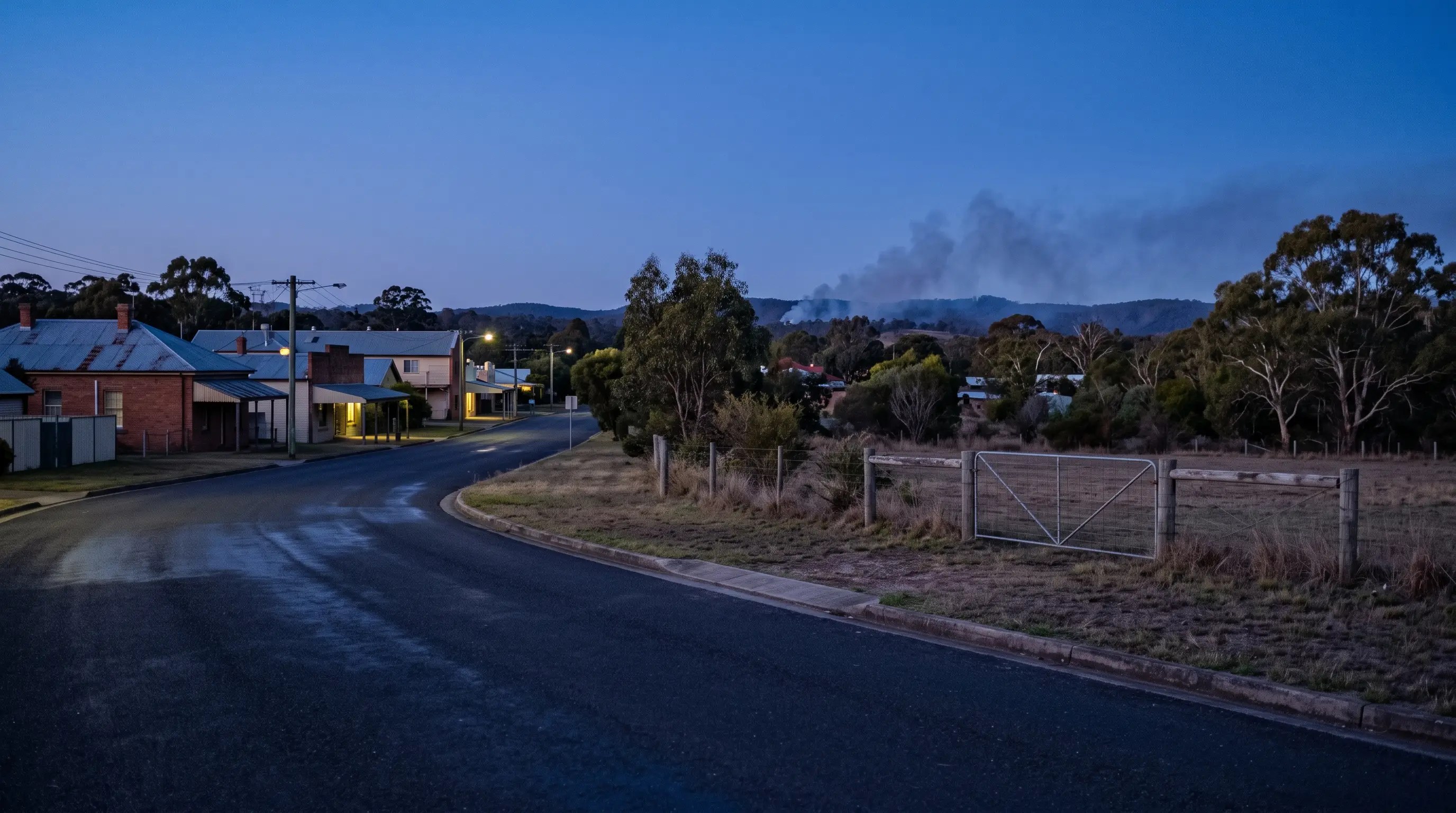
Burning permit administration - The start of the bush fire danger period has renewed attention on how burning permits are issued, recorded and checked before a fire is lit.
Fire danger period starts early
The bush fire danger period began in the Port Macquarie-Hastings area on 1 September, with the NSW Rural Fire Service pointing to drying conditions and an increased fire risk.
The council notice said the area was among 27 local government areas starting the period before the statewide statutory date in October.
Permits and notifications are required
Landholders planning a burn during the period need a fire permit and must notify neighbours and the local fire authority at least 24 hours before lighting it, according to the council and RFS advice.
A permit does not remove the need to monitor conditions or follow restrictions. The public notice also warns that illegal or poorly managed fires may result in enforcement action.
The permit record matters in the field
For staff issuing or checking burning permits, the operational record needs to show the property, permit holder, authorised period, conditions, notifications and any later amendment or suspension.
Keeping those details together gives field staff a clearer basis for checking whether a reported burn matches the permit information available at the time.
Seasonal changes need a clear audit trail
Fire conditions and restrictions can change quickly. A practical process should record who issued an update, when it took effect and how permit holders or operational teams were informed.
That history can also help councils review seasonal workloads, common permit questions and matters that required follow-up without treating every report as a confirmed breach.
Related reading
Sources
This article is based on the council and NSW Rural Fire Service notice published on 1 September 2026.