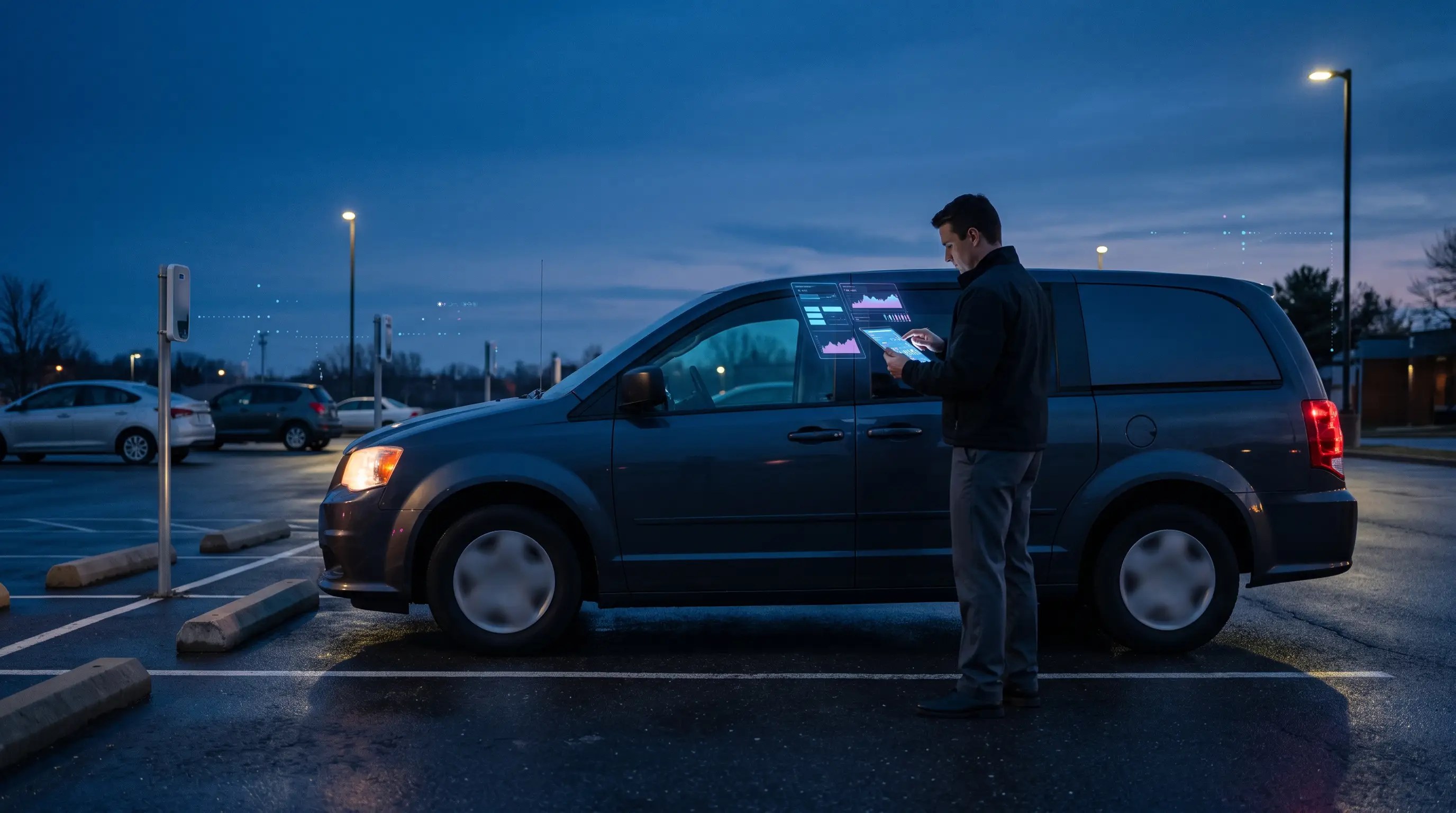
New Plymouth and New Zealand councils - Time-limit overstay programs need clear observation records, permit context, reviewer notes and reporting that separates operational insight from authorised action.
Why time-limit records need context
A New Plymouth-style timed parking program can include town-centre bays, visitor parking, loading spaces, permit zones, waterfront demand and streets where turnover expectations vary by season or event. Time-stamped observations can support review, but they should not be treated as a complete outcome by themselves.
The useful workflow connects the observation to the local rule, sign context, zone identifier, permit or session status, officer notes and review history. That context helps staff distinguish routine vehicle movement from matters that need closer assessment under council policy.
What a reviewable overstay case should preserve
A practical overstay record should preserve first and later observations, location, zone, observation interval, applicable rule category, image references, permit or payment context, reviewer notes and outcome status. Closure reasons should be recorded with the same care as escalations.
Common review points include whether the vehicle was observed in the same zone, whether the observation window was complete, whether a valid permit or exemption applied, whether signage or bay conditions need manual confirmation and whether supporting evidence is sufficient for the next workflow step.
Permit and exemption checks before escalation
Timed parking programs often intersect with residential permits, business permits, accessible parking, loading arrangements, temporary works, event settings and council-approved exceptions. A plate or vehicle observation is more useful when staff can see those contexts before relying on the record.
Where ANPR, mobile patrol observations or manual notes are used, teams should keep the stages separate: observation, permit or session lookup, evidence check, review queue and authorised action. The distinction makes the process easier to explain and audit.
Reporting without claiming a fixed result
Overstay reporting should help parking managers understand workload and operating patterns: observations by zone, matters closed after review, permit-related exceptions, repeated evidence-quality issues and streets where signs or rules may need further explanation.
The role of reporting is operational awareness. It can support resourcing, route planning, policy review and customer-service briefings without promising a particular enforcement result, savings figure, legal interpretation or accuracy level.
Related reading
Source
This educational Aero Ranger article consolidates a Pixelcase New Plymouth time-limit overstay migration candidate into a broader council evidence, permit context and review workflow guide. Pixelcase