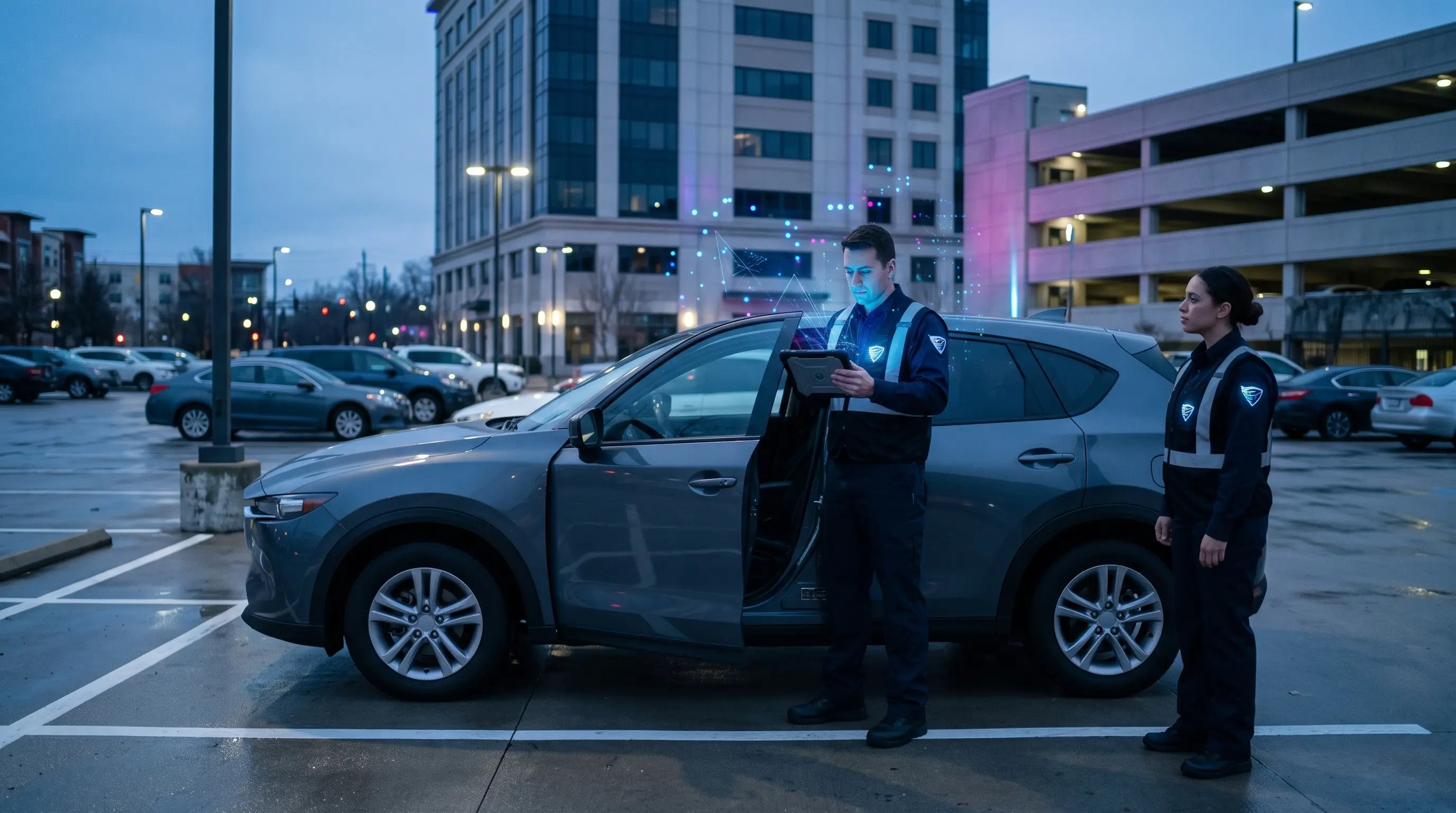
Southern port city councils - Accessible parking reviews need permit context, observation detail and clear reviewer outcomes before staff decide the next step.
Treat bay observations as review records
Accessible bay observations need more than a vehicle location. A southern port city council-style workflow should show the bay category, sign context, permit or exemption information available to staff, observation time and the reason a matter entered review.
The record should separate what was observed from what was later decided. That distinction helps teams avoid implying that a camera, patrol note or permit lookup determines an outcome on its own.
Connect permits, exemptions and site context
Accessible parking reviews can involve physical permits, digital permits, temporary authorisations and local operating rules. The case view should make the source of each permit detail visible, including whether the information came from a permit register, field note or later administrative check.
Where information is missing or uncertain, the workflow should preserve that gap instead of filling it with assumptions. A reviewer can then close, defer or escalate the matter according to the organisation's process.
Use evidence fields staff can explain
Useful evidence fields include observation time, bay type, location category, photo references where appropriate, permit match status, officer notes, reviewer notes and closure reason. These fields support a clear audit trail without promising a particular enforcement result.
Reporting can group reviews by category, information gap and outcome. Those reports are operational views for workload and process improvement, not claims about read quality or behaviour change.
Link the review to broader parking work
Accessible bay misuse often sits beside timed parking, no-stopping, permit-zone and event-day workflows. Shared evidence conventions make it easier for teams to compare matters without treating every rule type as identical.
A cautious migration page should explain how structured parking evidence can support authorised review while leaving local rule interpretation and follow-up decisions with the responsible organisation.
Related reading