Bring parking, permits, inspections, evidence and reporting into one practical municipal workflow.
Experience the power of Aero Ranger

newsletter
Stay updated with industry insights, product updates, and exclusive tips.
Tractor and trailer plates can both be correct. Keep their identities distinct and explain how each observation relates to the booked visit.
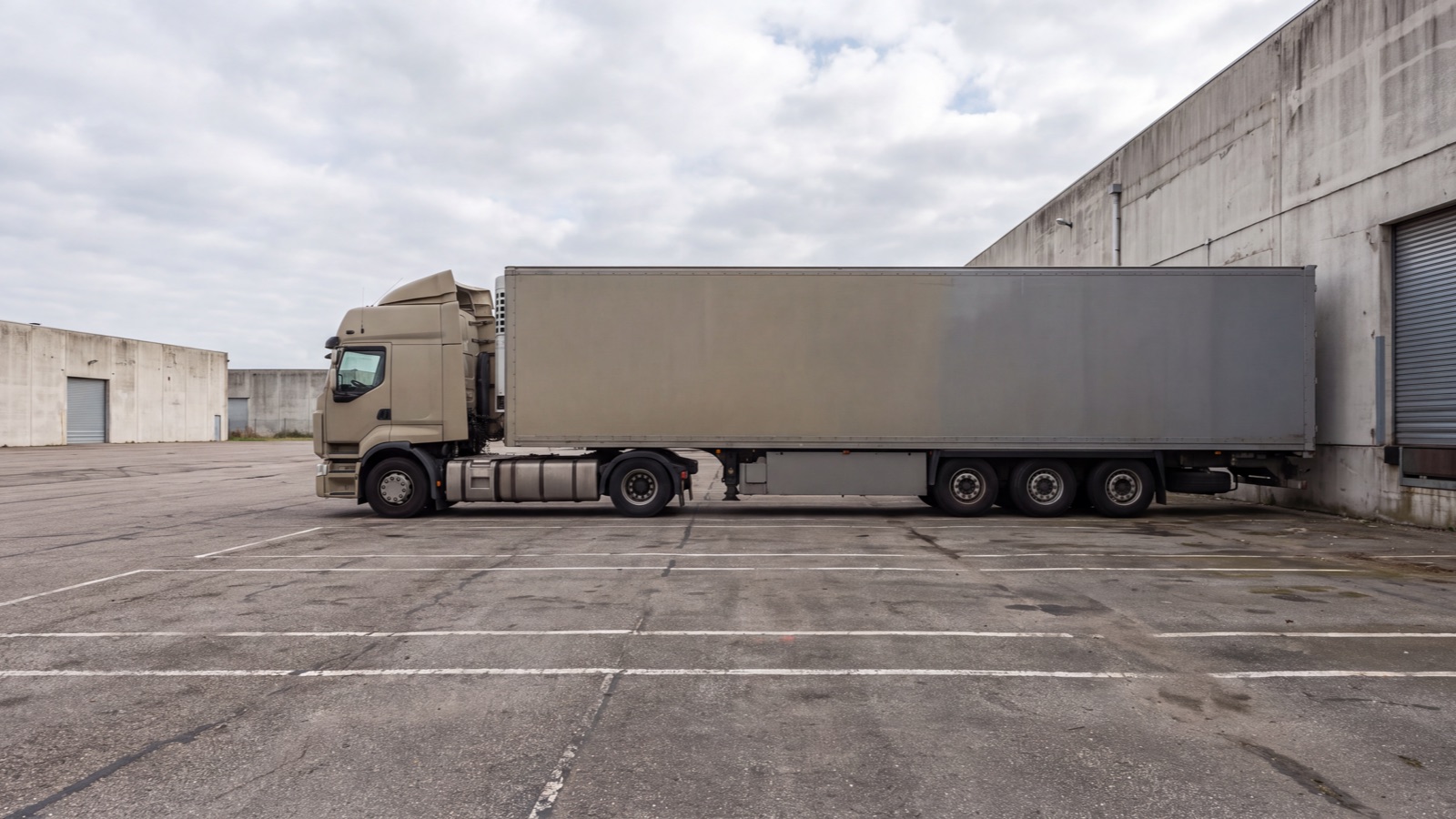
Record tractor and trailer plates as distinct identifiers, then define how they relate to the managed visit. Test both camera directions and trailer changes so different front and rear strings are neither split nor merged without an explicit association rule.
A front camera may see the hauling vehicle while a rear camera sees the trailer. Both observations can be correct. The operating record needs to explain what each represents rather than force them to resemble an ordinary car session.
Logistics ledgers have long distinguished the hauling vehicle from the load unit. Separate registrations make that distinction visible in plate records too.
The complication becomes particularly clear when a tractor detaches one trailer and leaves with another, because the combination observed at arrival no longer describes the combination departing the site.
Explicit association is useful at sites admitting articulated vehicles, trailer detachments or swaps. A booking reference, supervised manifest check or separate asset register may suit the task better than treating every movement as one car visit.
Sites that do not admit these combinations do not need extra association rules merely because the software can hold more identifiers.
Establish whether the entitlement belongs to the tractor, trailer, combination or booked visit. Preserve camera direction and time alongside each sighting during the trial, including uncoupling, swaps and a tractor leaving alone. Staff also need an authorized way to establish and correct an association; proximity in time should not create a permanent relationship between assets.
For example, tractor A entering with trailer B and leaving with trailer C requires a visit-specific explanation, not a permanent merger of all three identifiers. Keep parking-session changes separate from inventory counts and access decisions. Otherwise, one convenient association can conceal which asset was actually observed, which remained on site and what the permission covered.
Aero Ranger CORE Cases can retain evidence, tasks and chronological review history for an unusual combination. This can document why two identifiers were associated for a particular matter.
Required fields and any supported logistics or session connection need checking in the proposed setup. The published workflow does not establish native tractor-trailer pairing, automatic asset linkage or billing reconciliation; those functions need separate verification.
Aero Ranger: Cases; Aero Ranger: Evidence review
Sources were reviewed on the publication date. Check the linked material for current details.
