Bring parking, permits, inspections, evidence and reporting into one practical municipal workflow.
Experience the power of Aero Ranger

newsletter
Stay updated with industry insights, product updates, and exclusive tips.
Mounting vibration can shift plate detail by several pixels; wind, structure and impact history help explain which physical remedy is appropriate.
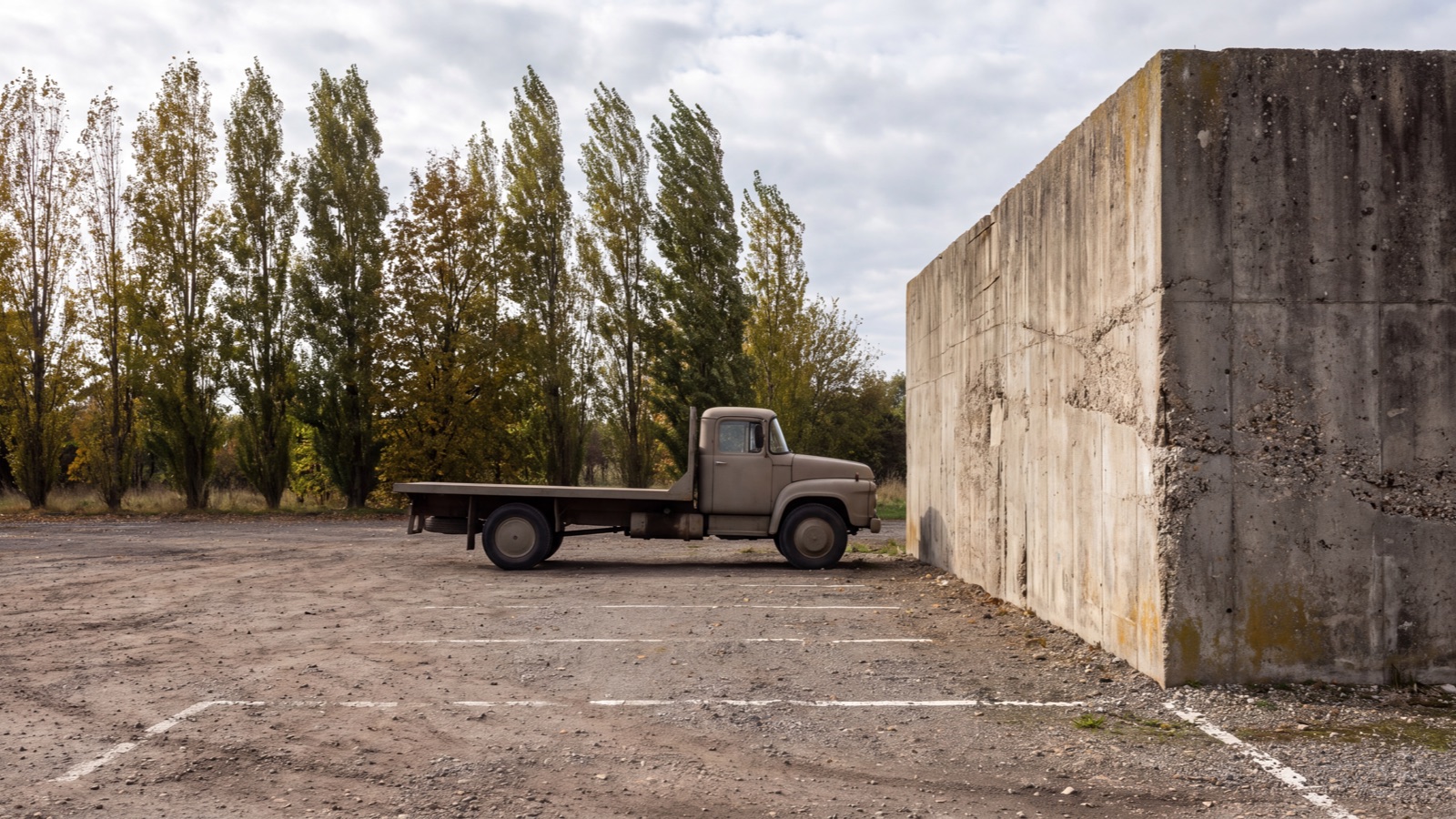
Assess the structure and brackets with a competent installer, considering wind, nearby heavy vehicles and impact exposure. Commissioning should include representative conditions, with images and settings retained so movement or alignment changes can be investigated later.
A bracket specification alone does not explain the installed view. Inspection after impacts or structural changes belongs in the operating plan, alongside scheduled servicing and any agreed adjustments.
Mounting stability mattered in imaging long before connected recognition. Movement during exposure can smear detail; movement between frames can change the viewing direction instead. Plate analysis makes those small character edges important to the resulting record.
Adding local processing leaves the structural problem in place. Software and mounting are complementary parts of commissioning, because the physical image still provides the information the recogniser receives.
Special isolation is not always necessary. A different structure or a shorter exposed mounting may suit the installation. The choice should follow the observed source of movement and the installer's assessment.
Structural flex, loose fixings and permanent movement after an impact need different remedies, even if all first appear as a less readable plate. Distinguish brief disturbance from lasting alignment drift before changing the configuration.
In a simplified near-center example, a 1,920-pixel image covering a 20-degree horizontal view turns a 0.05-degree camera rotation into about 4.8 pixels of displacement. These are illustrative geometry effects, not a bracket specification or Aero Ranger result. Whether movement occurs during or between exposures changes its visible effect.
Review representative images alongside the mounting, including the wind or vehicle conditions associated with the problem. After an adjustment, record the change and make a fresh capture check before affected events return to normal use. Keep that check with the original commissioning samples.
SolarLink planning includes the pole or gantry and the camera views. The physical arrangement remains part of commissioning alongside the configured processing and connection to the wider workflow.
Managed edge processing does not replace a stable mount or inspection after structural change. The mounting record therefore remains relevant throughout the installed system's maintenance and adjustment history.
Aero Ranger: SolarLink deployment, device health and operating scope
Sources were reviewed on the publication date. Check the linked material for current details.
