Bring parking, permits, inspections, evidence and reporting into one practical municipal workflow.
Experience the power of Aero Ranger

newsletter
Stay updated with industry insights, product updates, and exclusive tips.
Useful parking reports distinguish arrivals, stays and occupied bays, explaining their coverage, calculations and missing observations.
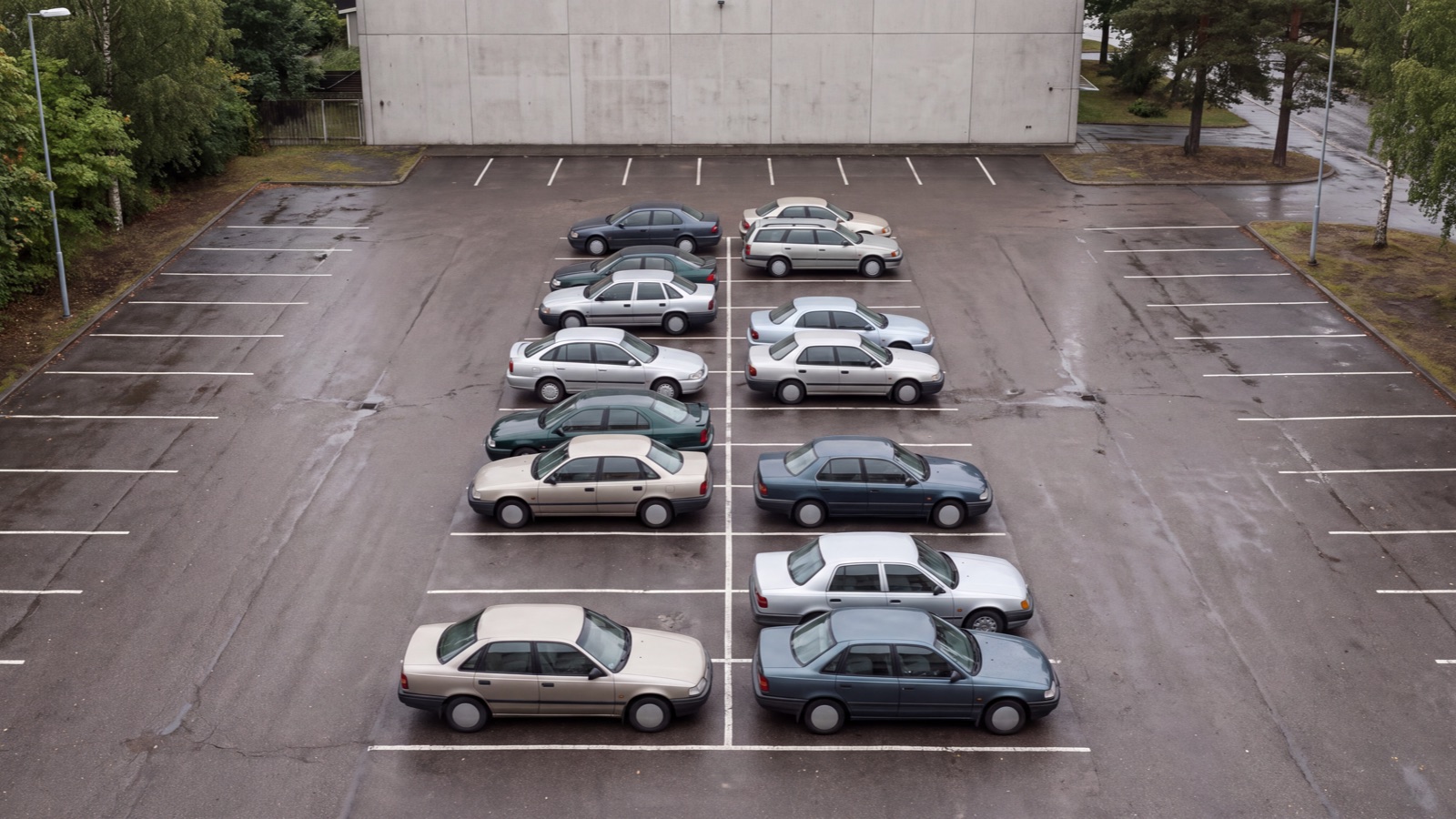
The report should explain what it counts: arrivals, completed stays, activity within a zone or occupied spaces. Missing observations, duplicate events and open sessions need visible treatment. Captured plates alone do not establish how fully a parking lot is used.
A useful chart therefore starts with a measurement method and its limitations. Where individual histories are unnecessary, aggregated information is the more appropriate basis for the reporting task.
Traditional utilization surveys counted vehicles at chosen times. Entry records instead described movements through a boundary. Putting both into a digital dashboard did not make them equivalent: arriving, remaining in a zone and occupying a marked bay are different observations.
Fifty recorded arrivals in an hour, for example, do not mean fifty spaces remain occupied at its end. Some vehicles may have left, while an unobserved entrance can leave other arrivals absent from the record.
Arrival and duration reports can help investigate operating hours, visitor patterns or the need for a targeted survey. Manual counts or non-identifying sensors may answer a capacity question without continuous plate collection.
Coverage should follow the spaces and periods being studied. The easiest camera feed to obtain is not necessarily the one that observes all relevant entrances, bays or overnight activity.
State the usable-space count, observation interval and treatment of missing exits or overnight stays. A sampled survey needs coverage information beside its occupancy percentage. An entry-exit estimate needs a starting vehicle count and an explanation of reconciliation.
Compare an example day with direct observations. An open session should remain distinguishable from evidence of an occupied bay, so reviewers can see where the calculation depends on incomplete observations rather than a confirmed space count.
Aero Ranger CORE survey areas define geographic scope, keeping coverage and reporting periods distinct from enforcement zones. Zone intelligence describes recorded activity and dwell. These features are relevant to an observation program whose coverage staff can examine.
Arrival, duration and utilization definitions still need agreement, along with chart formats and source coverage. The general reporting description does not establish a requested heatmap or a complete live count of every bay.
Aero Ranger: Surveys; Aero Ranger: zone intelligence; Aero Ranger: duration distribution
Sources were reviewed on the publication date. Check the linked material for current details.
