Bring parking, permits, inspections, evidence and reporting into one practical council workflow.
Experience the power of Aero Ranger

newsletter
Stay updated with industry insights, product updates, and exclusive tips.
Emergency vehicle access needs an assessed procedure for unfamiliar plates, power loss and network outages, with a clear record afterwards.
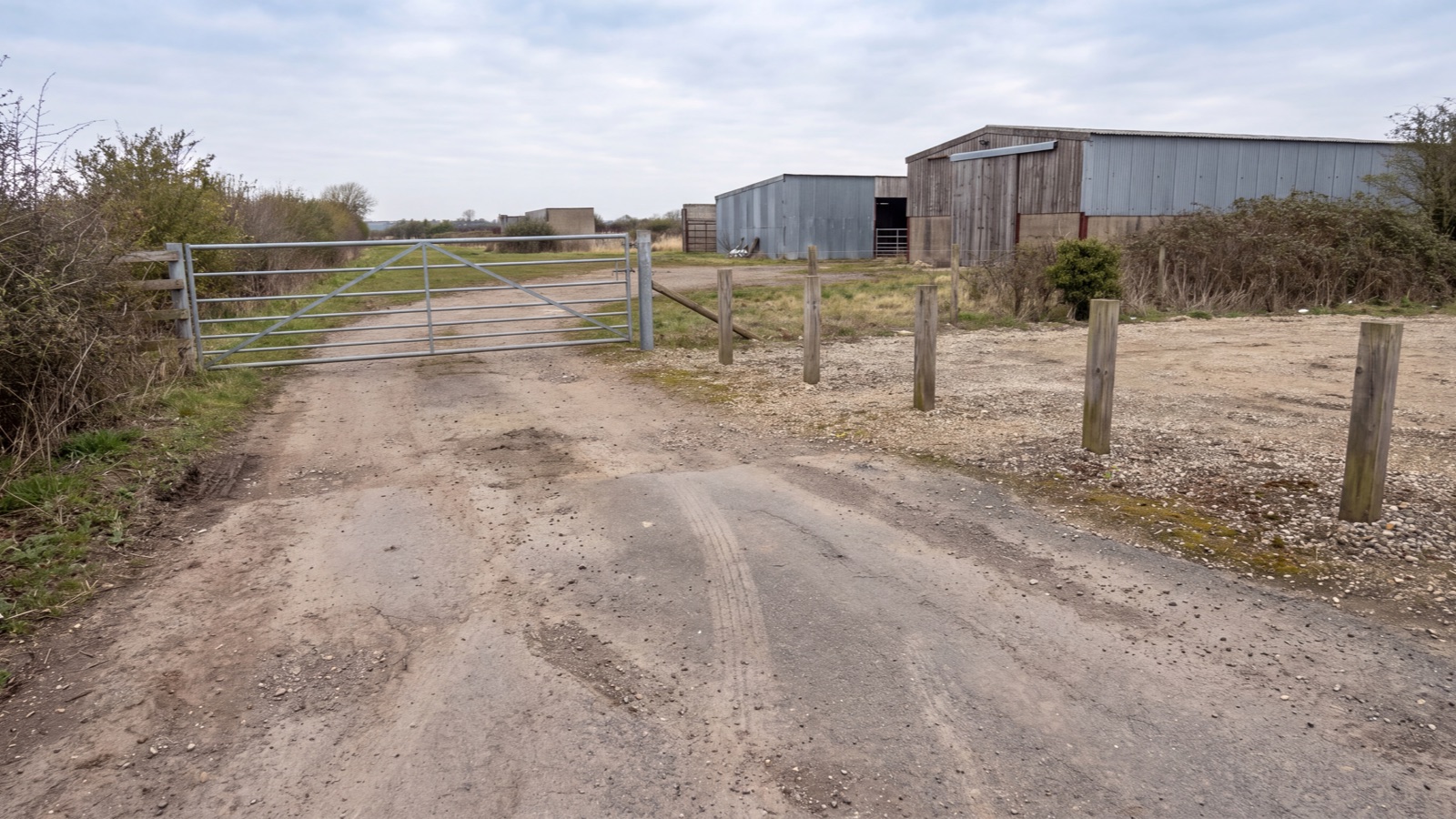
Plan emergency access with the responsible site and emergency-service contacts, then have the gate specialist verify the physical response. A plate list may contribute, but critical access should not depend solely on a successful automatic match.
The plan needs to work when the usual vehicle, attendant or connection is absent. Unresolved billing, a stale permit or a missing plate should not become an unexplained obstacle to the approved emergency procedure at the property.
Staffed control, agreed keys and manual release procedures provided emergency access before plate recognition. A registration list adds another possible credential.
Responding vehicles can change and images can be unreadable, so the arrangement still has to address the actual route, the installed equipment and the state in which responders may find it.
A supervised release or agreed independent credential may suit the assessed access need better than recognition alone. The choice belongs in the site's emergency arrangement.
A familiar-looking vehicle does not establish authority by appearance, and automatic matching is not always necessary if another approved procedure provides the required access under the expected conditions.
Test the approved procedure safely with the gate specialist, including unfamiliar registrations, power loss and lost communications. Identify who may release the gate, how they reach the controls and what happens if the usual attendant is unavailable. Restoration checks are part of the plan too, rather than an informal task left for the next shift.
An unfamiliar ambulance registration during a network outage, for example, should follow the agreed independent access procedure and be documented afterwards. Keep that later record proportionate to its purpose. It should explain the operational exception and the responsible action without forcing the emergency event through an ordinary payment or permit problem first.
Aero Ranger CORE's authorised override history can document an operational exception and its reason for later human review. This is relevant to the incident record after emergency access.
The configured action and incident handoff need verification. The published capability does not establish recognition of every emergency vehicle, instant gate opening or a certified emergency-release circuit; the physical response needs its own assessed arrangement.
Aero Ranger: Enforcement overrides
Sources were reviewed on the publication date. Check the linked material for current details.
