Bring parking, permits, inspections, evidence and reporting into one practical council workflow.
Experience the power of Aero Ranger

newsletter
Stay updated with industry insights, product updates, and exclusive tips.
A paid survey should leave useful findings, drawings and unresolved assumptions, with clear terms for ownership, exclusions and any fee credit.
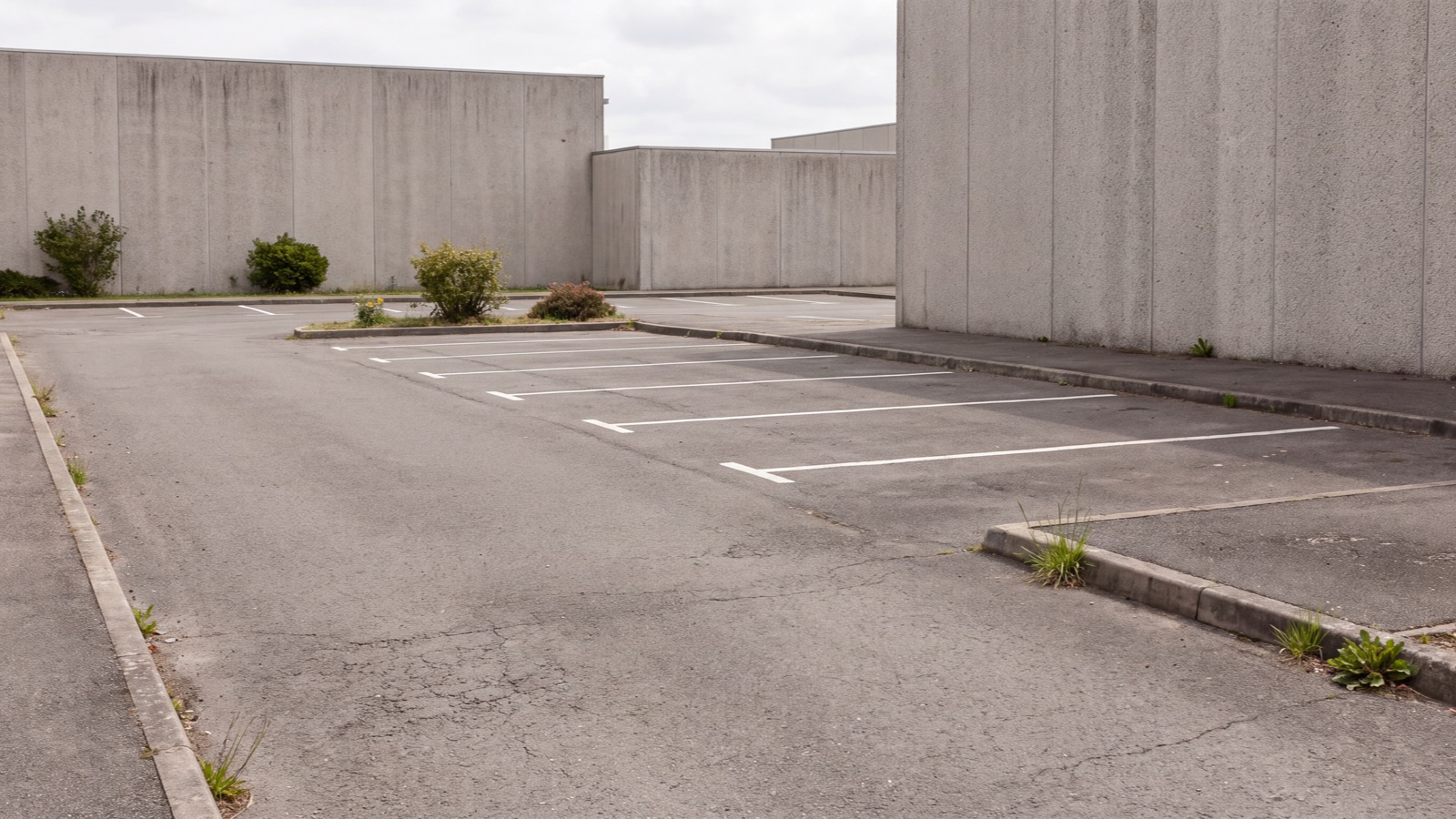
A paid survey should leave a reviewable scope: lane geometry, service availability, mounting options, connectivity findings and unresolved assumptions. Agree the deliverables, drawing ownership, exclusions and any credit against later work before deciding whether the fee suits the proposed investigation.
The survey should still be useful if procurement does not proceed. Its value depends on which design questions it resolves and what the buyer can do with the findings, including whether another supplier may use the resulting documents.
Physical lane surveys established where equipment and services could be installed. Recognition and networked review expanded that work to the usable plate view, communications path and operating scene, linking physical measurements to the proposed observation and review task.
An equipment list is therefore only part of the assessment. The useful distinction is between measured conditions and assumptions still requiring investigation, so an apparent installation allowance does not hide an unresolved question about the site.
A paid survey can be useful where geometry or physical services need investigation. A full design need not be the first step: an initial walkthrough or bounded trial may establish whether the project merits more detailed work.
Choose the level of investigation around the uncertainty being resolved. A preliminary feasibility visit and a documented survey may have different purposes, so comparing their fees without their deliverables leaves the buyer comparing different services.
Illustrative fees, not integrator rates: an AUD 500 introductory visit and AUD 1,500 documented survey differ by AUD 1,000. Hypothetically, the latter might include measured capture boundaries, conduit tracing and signal observations at mounting height, while the former only explores feasibility. These are not Aero Ranger packages.
The proposal should identify drawings, viewpoints, power and connectivity findings, exclusions and the next priced step. Separate observations from engineering approval, and establish whether signal measurements represent the intended operating period. A credit against later work applies only if agreed; further engineering may be excluded.
Aero Ranger asks teams planning COREconnect to bring the existing camera estate, zones and review process. That connects technical scoping with the operational question, giving the site discussion context beyond the number of cameras or proposed mounting points.
The fixed-site SolarLink approach also considers the physical deployment. Exact survey fees and deliverables still need agreement for the site, with the resolved assumptions and remaining investigation clearly identified before the installation scope is priced.
Aero Ranger COREconnect: supported fixed-camera integration; Aero Ranger SolarLink: fixed-site edge deployment
Sources were reviewed on the publication date. Check the linked material for current details.
