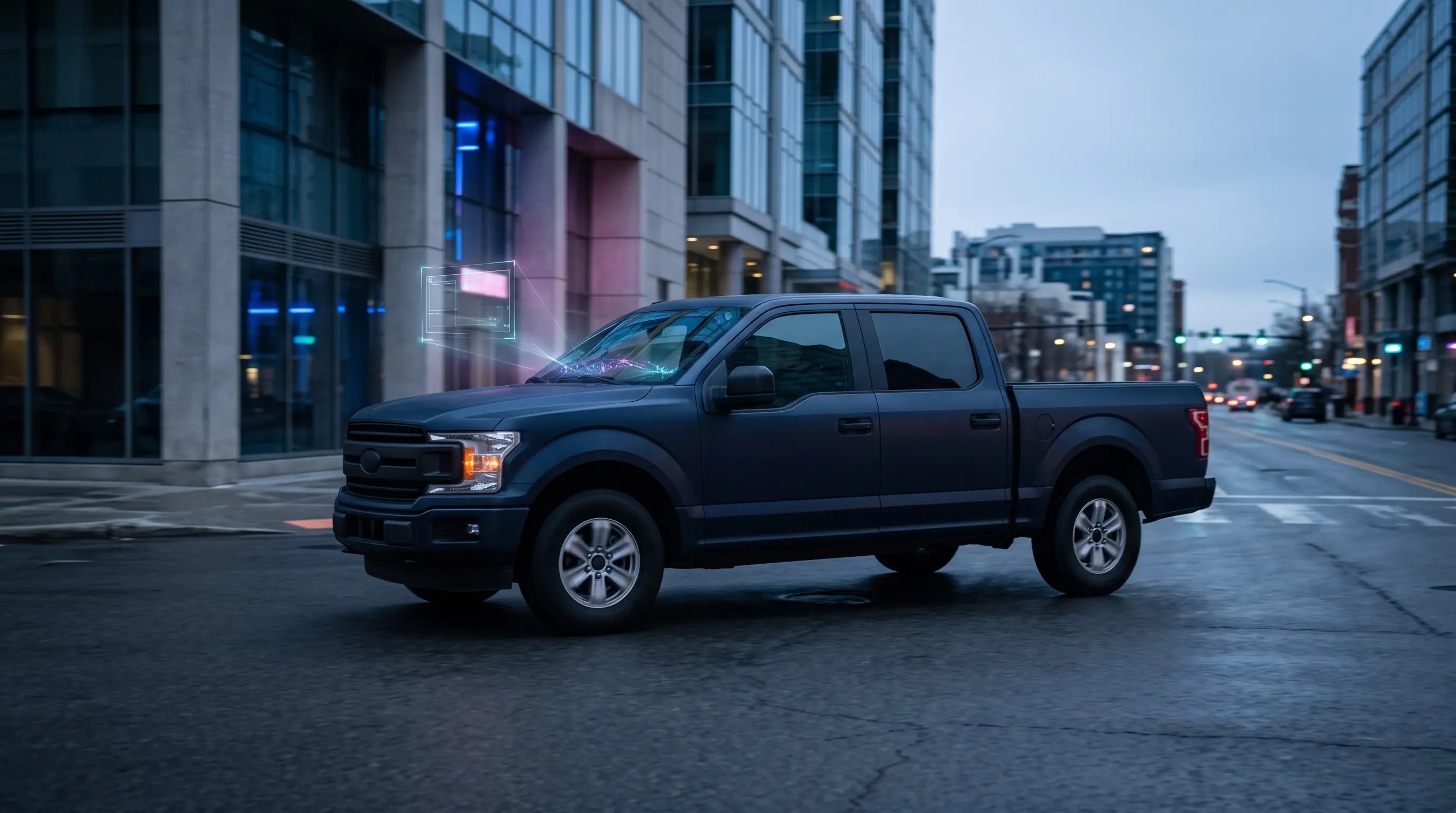
Council patrol teams - Vehicle-mounted ANPR camera programs need route design, zone context, review queues and governance before patrol data becomes useful.
Start with the patrol route
A vehicle mounted ANPR camera, sometimes written as a vehicle-mounted ANPR camera, is most useful when the patrol route is tied to defined parking and permit rules. A council should know which streets, car parks, school precincts, loading areas or permit zones are in scope before comparing camera hardware.
The route plan should also define what remains officer-led. Signage context, loading activity, accessible parking, temporary works and local exemptions may need notes or images before a reviewer can understand the record.
Match camera output to the case workflow
A mobile ANPR read should carry location, time, plate image where appropriate, zone, permit or parking-session context and review status. If those fields do not travel together, reviewers may have to reconstruct the case from separate systems.
The workflow should show whether the matter is an overstay review, no active session, permit-zone mismatch, accessible-bay observation, loading-zone review or local-law vehicle matter. Each category can require different evidence before any next step is considered.
Compare cameras by operating needs
Hardware comparisons often include low-light behaviour, mounting position, power, field of view, network connectivity and compatibility with third-party software. Those details matter, but they should be assessed against the route and review design.
An Axis ANPR camera, a purpose-built vehicle kit or another LPR camera setup should all be evaluated on the same operational questions: what data is captured, how it is reviewed, how exceptions are handled and what audit history remains available.
Keep reporting grounded
Vehicle-mounted reporting can show route coverage, review volumes, permit checks, session checks, closure reasons and matters needing manual context. Those are operational indicators for supervisors and reviewers.
The page should avoid treating scan volume as a complete outcome. Camera capture is only one stage in a workflow that still needs authorised review, policy settings and clear records.
Related reading
Sources
Sources were reviewed on the publication date. Check the linked material for current details.