Bring parking, permits, inspections, evidence and reporting into one practical municipal workflow.
Experience the power of Aero Ranger

newsletter
Stay updated with industry insights, product updates, and exclusive tips.
An ALPR lane is more than a camera. Understand what belongs in the hardware quote, what installation adds, and when a simpler setup may suit the site.
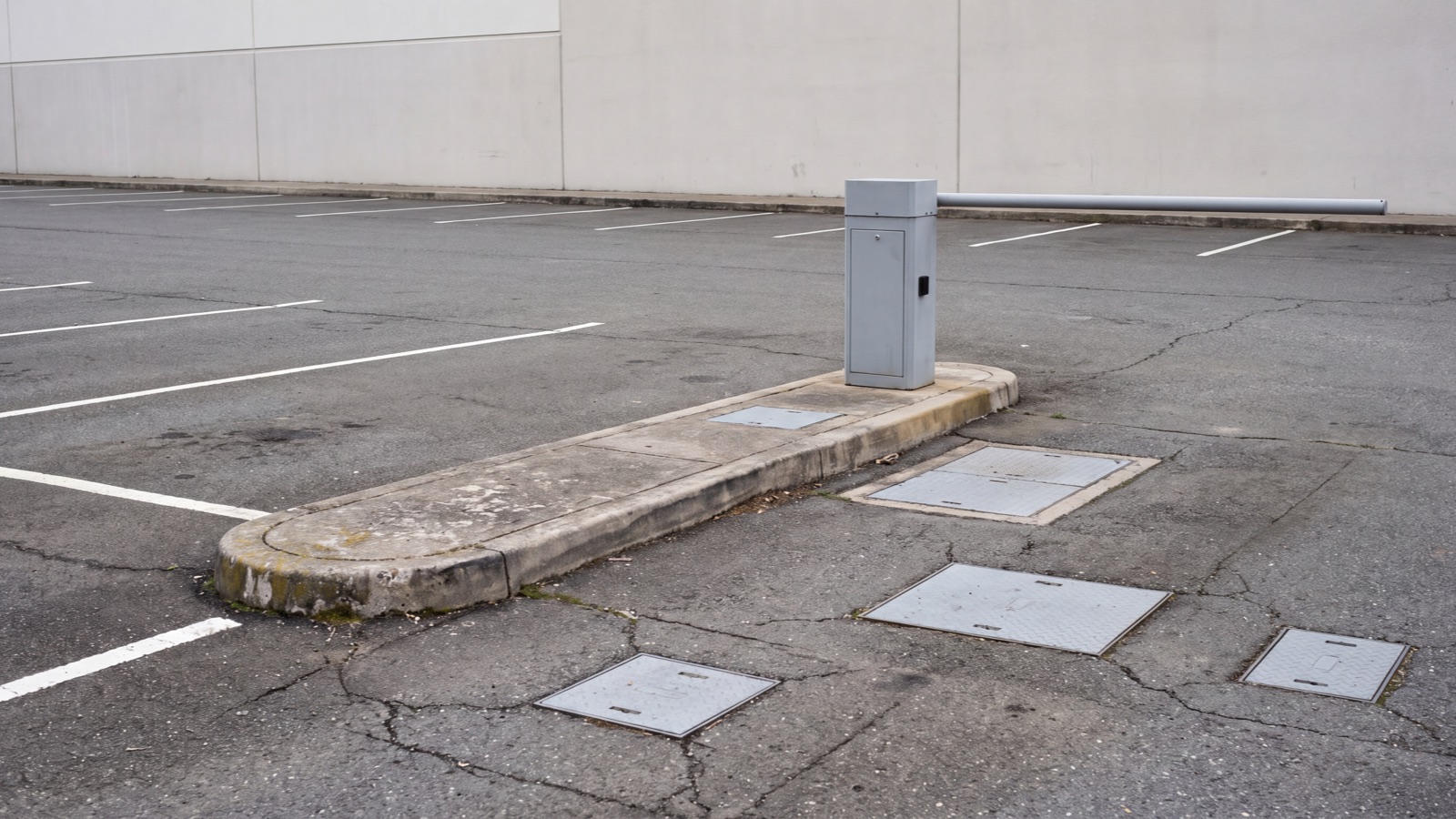
An ALPR lane costs more than the camera at the entrance. A useful quote covers the equipment needed to capture a plate, connect that observation to the system and keep the lane operating in its actual surroundings.
That means cameras, illumination, mounts, controllers, power, networking and any protective cabinets. Installation and commissioning should be shown separately, so you can see what is being supplied and what it takes to put it to work.
Early plate-recognition installations relied on specialised equipment. As recognition moved into networked cameras and processing services, buyers gained more ways to assemble a system. The camera became one part of a wider purchasing decision.
That matters when comparing quotes. One supplier may price a camera; another may include a commissioned lane. The totals describe different things, even if both proposals are labelled ALPR.
Start with the job, not the equipment. A busy entrance may need regular vehicle observations for access, surveys or case review. A small, lightly used site might be served by permits, an attendant or occasional surveys instead.
Permanent equipment makes sense when that ongoing task justifies it. It is worth comparing those simpler options before committing to power, communications and mounting work.
A simple example shows the difference. At purely illustrative prices, two cameras at AUD 700 each, AUD 500 of lighting, AUD 900 of mounts and enclosures, and AUD 600 of power and networking add up to AUD 3,400. That is equipment only, not an industry average or a supplier quote.
The real bill depends on the number of views, capture distance, vehicle mix and services already on site. Keep tax, installation, commissioning and recurring charges visible. It also helps to know which equipment could stay if you changed software suppliers later.
Aero Ranger COREconnect brings supported camera and recognition events into CORE workflows. That creates a useful distinction: choosing lane hardware is one decision; connecting observations to operational records and review is another.
Existing equipment may therefore be worth assessing before planning a replacement. Compatibility still depends on the camera, firmware and event format, so the proposed connection needs to be checked for the actual site.
Aero Ranger COREconnect: supported fixed-camera integration
Sources were reviewed on the publication date. Check the linked material for current details.
