Bring parking, permits, inspections, evidence and reporting into one practical council workflow.
Experience the power of Aero Ranger

newsletter
Stay updated with industry insights, product updates, and exclusive tips.
When no plate is visible, record the uncertainty and offer approved assistance without confusing a missing identifier with a security threat.
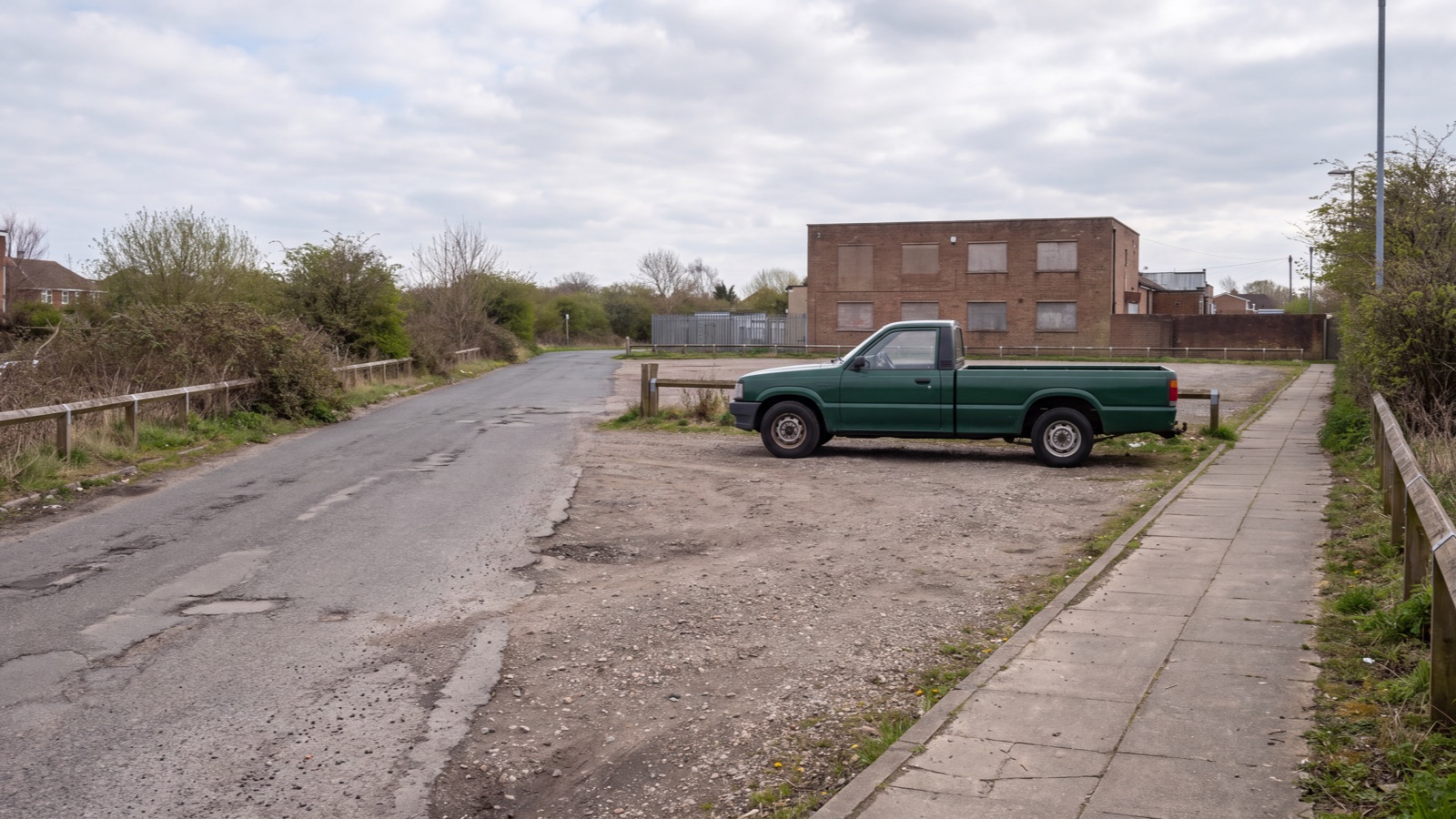
A vehicle without a visible plate needs an explicit exception route: assistance, manual review or another approved access method. Apply the site's policy through authorised staff and tested equipment, while leaving the missing identity clear in the record.
The absence of a visible plate does not identify a security threat or establish wrongdoing. Nor does it tell staff that a particular installation will sound an alarm or refuse entry. Those responses depend on assessed policy and configuration.
Manual inspection already distinguished a missing plate from lettering that could not be read. Plate-based systems need the same distinction.
Without an independent detector or an overview record, silence from the recognition engine may not even establish that a vehicle passed; a missing message is not a description of the vehicle.
An exception process matters where admission or session handling needs a record despite a missing identifier. A staffed check, approved access token or documented visitor reference may be enough.
An alarm should follow the site's assessed security policy, rather than be added automatically to every event that lacks a readable registration.
Use a controlled trial to establish which component detects a plate-less vehicle, which message it produces and whether an overview image is available. Keep three states distinct: no vehicle detected, vehicle detected without a plate, and plate present but unreadable. There is no reason to assume every source supplies a standard 'No Plate' output.
For example, an overview image may support a staff assistance record while leaving identity unresolved. If a temporary reference is needed, distinguish it from a registration. Record the assistance decision and any authorised reconciliation of later movement. Attaching the event to a convenient nearby plate would turn an honest gap into an unsupported association.
Aero Ranger PatrolLink can capture photos, officer observations, GPS and timestamps for structured field records reviewed in CORE. This offers a documented human observation path for an unidentified vehicle.
The form and handoff process need to suit the configuration. That evidence path does not establish a native no-plate alarm, automatic refusal of entry or barrier control; those require separate assessment.
Sources were reviewed on the publication date. Check the linked material for current details.
