Bring parking, permits, inspections, evidence and reporting into one practical municipal workflow.
Experience the power of Aero Ranger

newsletter
Stay updated with industry insights, product updates, and exclusive tips.
A partial plate search may narrow a parking assistance request, but the result is only as specific as the locations actually captured.
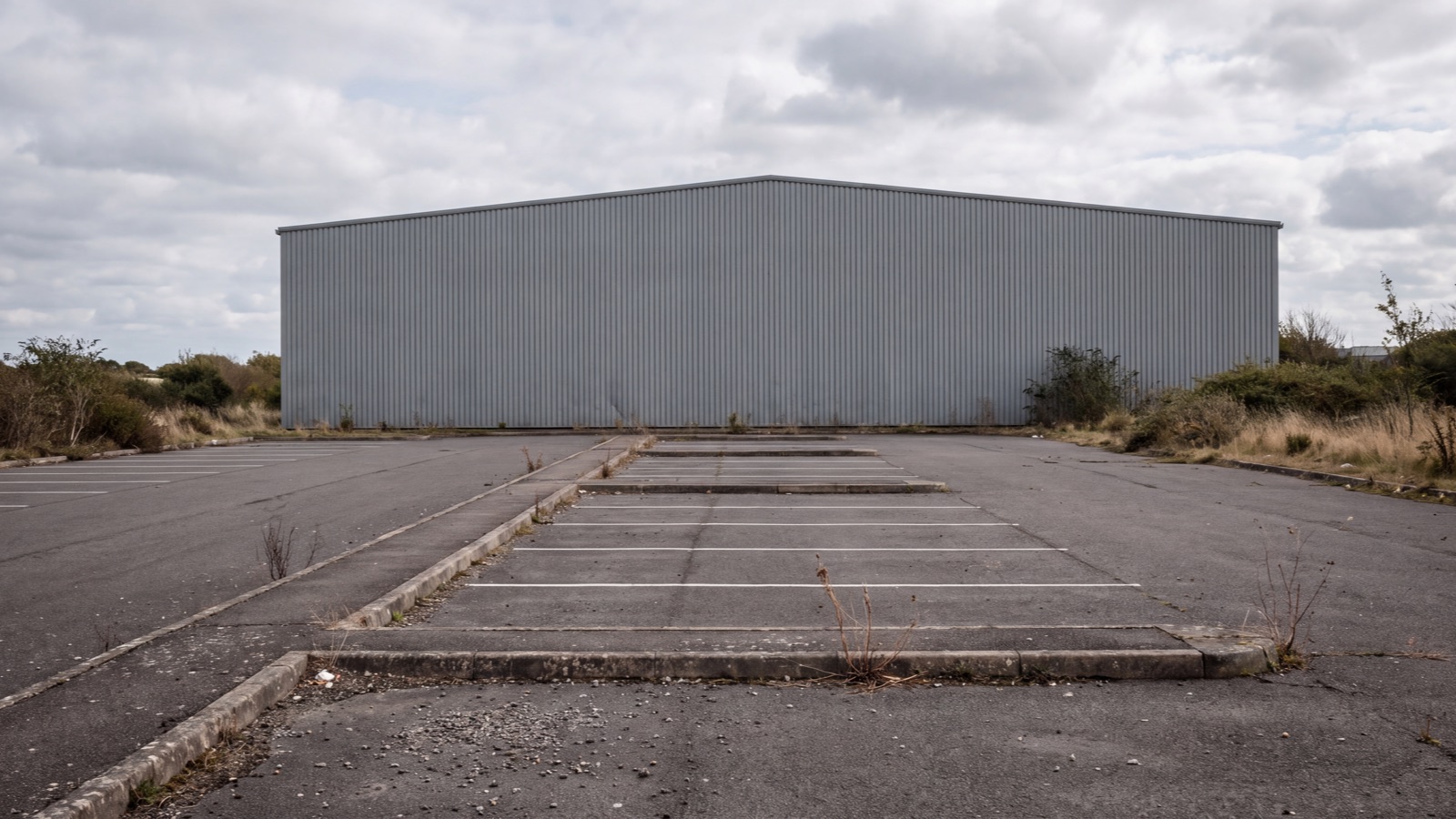
A partial plate search may help an authorized assistance request if the deployed system supports it. It can narrow captured records, but an entrance observation identifies a crossing rather than the bay where the vehicle eventually parked.
Start by verifying the request and what location information the site actually captures. Ambiguous matches need further assistance, not a public list of unrelated visitors. The result should never imply a more precise location than the underlying evidence provides.
Before searchable records, an attendant's memory, a bay note or a walk around the property supplied the clues. Digital retrieval adds another way to find an observation.
It does not create location information that was never captured, so the difference between an entrance lane and an internal parking zone still matters.
Search is useful when enough approved context exists to narrow the visit. A guided walk, zone signage or a visitor's own photo may be more helpful where there are no internal observations.
A broad search is unnecessary when a complete registration and arrival period already identify the relevant record for an authorized reviewer.
An example such as 55A needs a defined search meaning: a prefix, substring and wildcard are different operations. Establish which syntax is supported, then combine permitted date, zone and vehicle context. Verify the requester's connection to the vehicle before sharing results, and keep unrelated records out of the assistance conversation.
A last sighting at the south entrance can suggest a route to check, not establish that a car occupies a nearby bay. Likewise, an apparently long stay needs review of missed exits and retention limits before anyone describes the vehicle as abandoned. Staff should explain whether the result is an entrance, a surveyed zone or another last observation.
Aero Ranger CORE Plate Search opens captured registration records and evidence, while search parameters can narrow the context. This supports retrieval for human assistance. Partial-string support and the locations actually captured need checking for the deployment.
The published pages do not establish wildcard syntax, real-time tracking or a precise parking-bay locator; the site's evidence coverage determines what a search can show.
Aero Ranger: Plate search; Aero Ranger: Search parameters; Aero Ranger: Privacy policy
Sources were reviewed on the publication date. Check the linked material for current details.
