Bring parking, permits, inspections, evidence and reporting into one practical municipal workflow.
Experience the power of Aero Ranger

newsletter
Stay updated with industry insights, product updates, and exclusive tips.
Weather maintenance starts with the image: separate dirty or fogged equipment from scene conditions before cleaning, adjusting or changing operations.
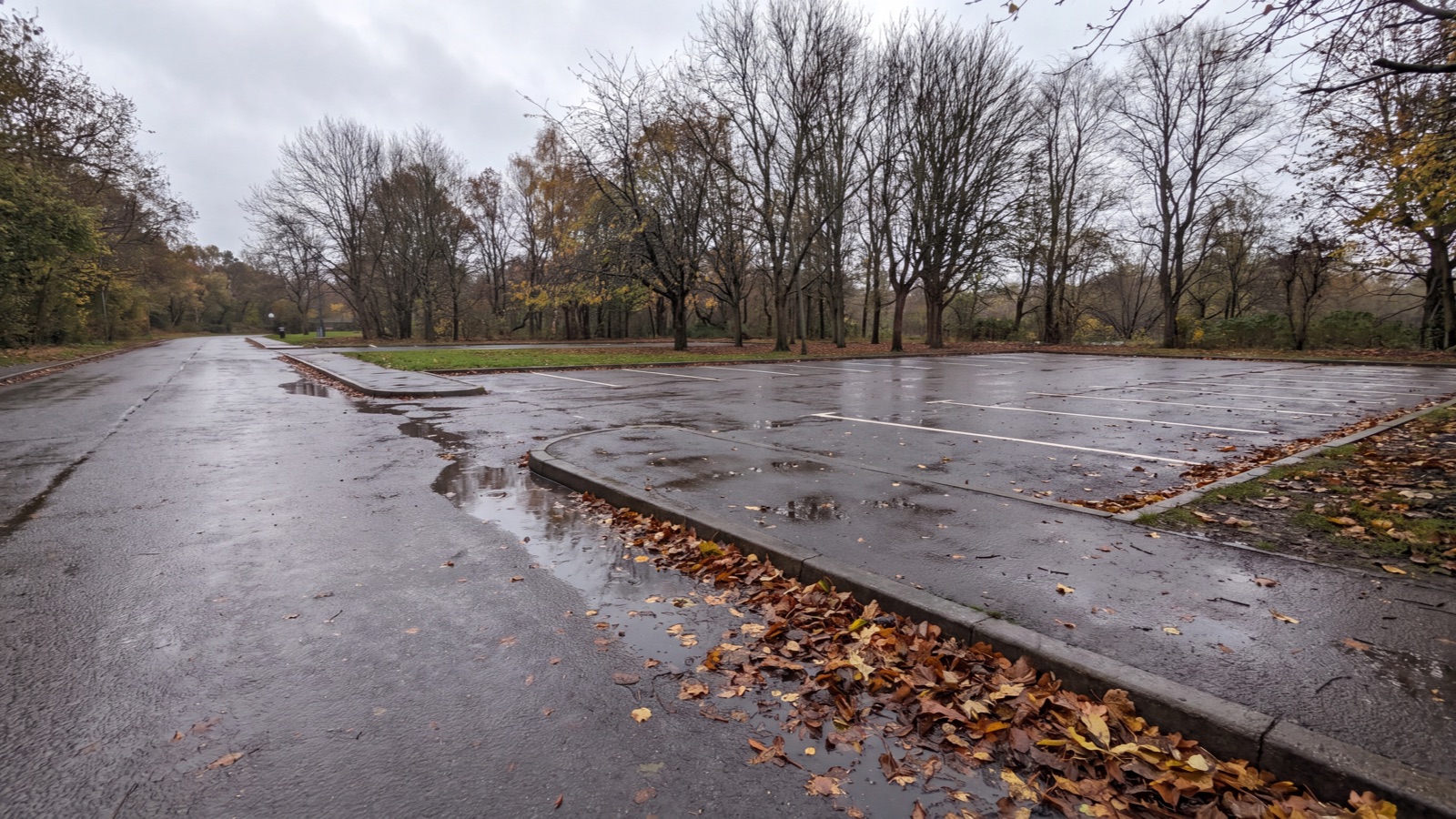
A weather maintenance plan should assign inspection and cleaning responsibilities, follow the manufacturer's guidance and define when staff change settings or use temporary assisted operation. Review representative images after any work and record unresolved restrictions rather than assuming online equipment has a usable view.
The first question is whether the problem sits on the equipment or in the scene. Dirt, condensation or snow on a housing calls for a different response from fog between the camera and a vehicle, glare or motion blur.
Outdoor recognition inherits the maintenance demands of outdoor cameras. Weather alters the view, illumination and protective window condition.
Configured profiles can help manage capture settings, but they cannot clean a window or remove fog from the scene; physical inspection remains a separate job even when software and communications appear to be working normally.
Cleaning, a revised mounting position or temporary assisted operation may be more suitable than repeated adjustments. Manual recalibration is not automatically needed every season.
Look at the actual symptoms before changing a commissioned setup, and make sure any operating restriction is visible to the staff who must assist visitors while the issue is investigated.
Use the exact manufacturer's cleaning and enclosure instructions, with safe access arranged for elevated equipment. Save baseline exposure and illumination settings before a competent person makes changes. Review authorized example images afterwards. A shorter exposure may reduce motion blur but changes available light, so a single shutter setting should not be treated as suitable for every installation.
For example, healthy device telemetry alongside a fogged image calls for optical or scene assessment. It does not show that the camera is serving the operating task adequately. Record what was inspected, cleaned or adjusted and what remains unresolved, so the next person can distinguish a communications check from a completed assessment of the image.
Aero Ranger SolarLink publishes device-health, connectivity, storage and software-readiness telemetry alongside edge processing and later CORE synchronisation. This provides context for diagnosing a remote deployment.
Available diagnostics and physical maintenance responsibilities still need checking for the installation. Online telemetry does not establish a clear optical window or usable recognition in fog or snow, so the image itself remains part of the assessment.
Aero Ranger: SolarLink; Aero Ranger: Device status and live cameras
Sources were reviewed on the publication date. Check the linked material for current details.
