Bring parking, permits, inspections, evidence and reporting into one practical municipal workflow.
Experience the power of Aero Ranger

newsletter
Stay updated with industry insights, product updates, and exclusive tips.
Assess school parking capture with privacy and safeguarding leads, including incidental images, movement histories and shared evidence.
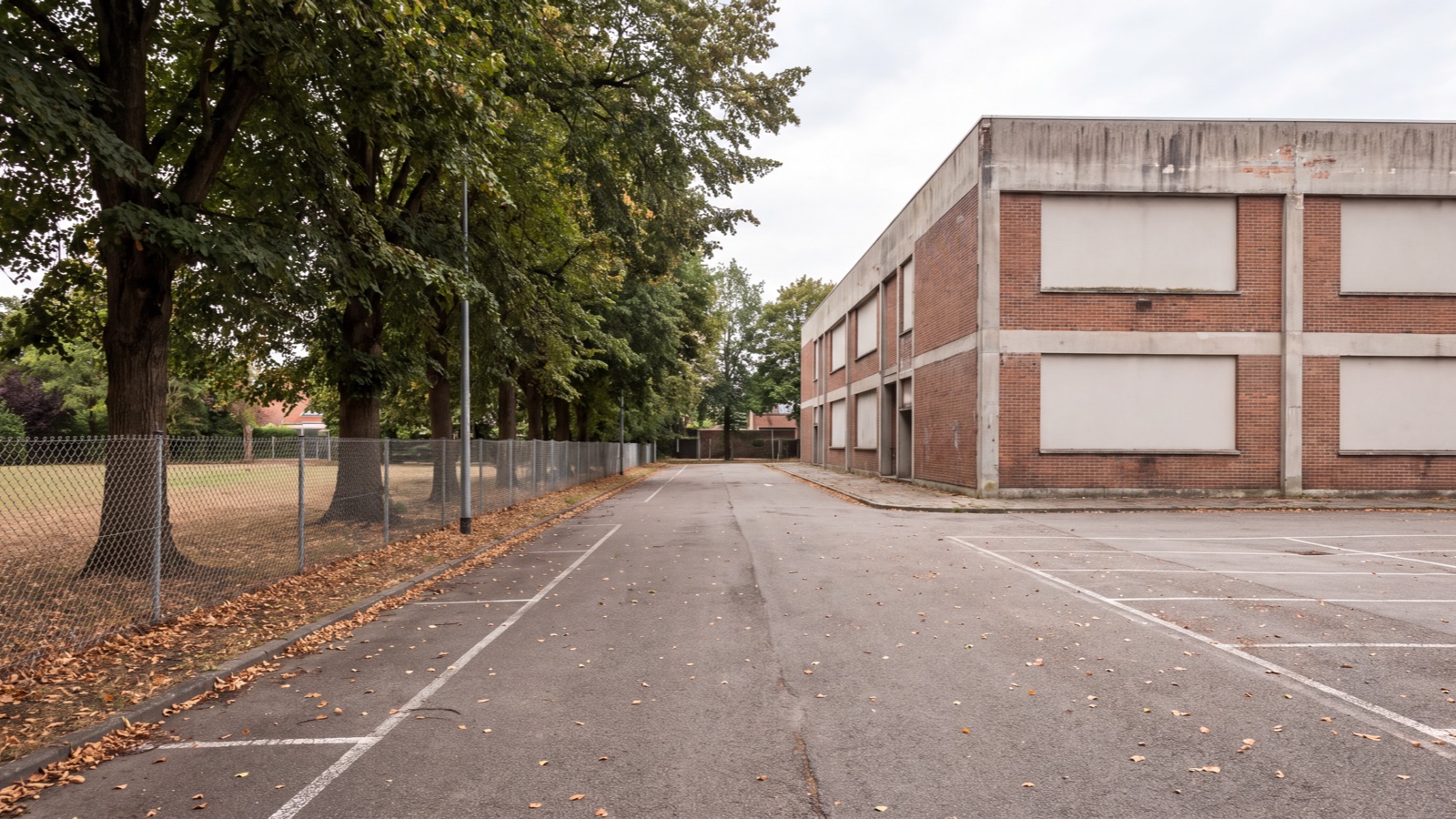
The assessment needs to consider children, families and bystanders alongside the parking purpose. Privacy and safeguarding leads should review capture areas, access, sharing and retention before deployment, including whether repeated movement histories are needed at all.
Equipment used at another property does not establish that its configuration suits a school. The people in view and the inferences available from their visits change the assessment, even when the cameras are the same.
A school parking register might identify authorised vehicles without recording every family visit. Connected cameras can add incidental images and repeated movement patterns near an entrance, extending what someone can learn from ordinary parking records.
Safeguarding therefore belongs in the planning stage, alongside the data-flow review. Looking only at the intended vehicle can miss unrelated people and activities captured in the same image or linked across visits.
Recognition may suit a clearly assessed purpose. A permit check, limited observation window or count without plate identifiers may also answer the need. A school setting does not automatically justify continuous tracking of families or a broader collection of visits.
Requirements depend on the operator and location. Recording a vehicle near a school is not automatically the same as processing a child's biometric identifier; the assessment should describe the information actually collected and how it is used.
Map camera views against footpaths, pickup areas and spaces beyond the purpose. An image supporting a parking review may also show an unrelated child and family vehicle. Check incidental content before sharing the copy, and document any restricted sharing route.
Agree notices, roles and retention with the privacy and safeguarding leads. UK schools guidance treats identifiable imagery as personal data, but remains a local reference. The actual facility needs its applicable assessment, rather than borrowing another country's conclusions.
CORE documents face and non-target plate redaction, relevant to incidental people and vehicles in evidence shared downstream. Aero Ranger also describes scheduled school-zone workflows, making operating windows another deployment detail to examine with the site team.
Confirm redaction scope, original-image access and operating windows. Masking a shared image does not erase every linked observation or establish compliance with all requirements concerning children at that particular facility.
Aero Ranger: Non-target plate redaction; Aero Ranger: face redaction; Aero Ranger: scheduled school-zone parking review
Sources were reviewed on the publication date. Check the linked material for current details.
