Bring parking, permits, inspections, evidence and reporting into one practical council workflow.
Experience the power of Aero Ranger

newsletter
Stay updated with industry insights, product updates, and exclusive tips.
At 40 km/h, plate detail depends on exposure, angle and light; a lane trial turns the shutter-speed question into a practical decision.
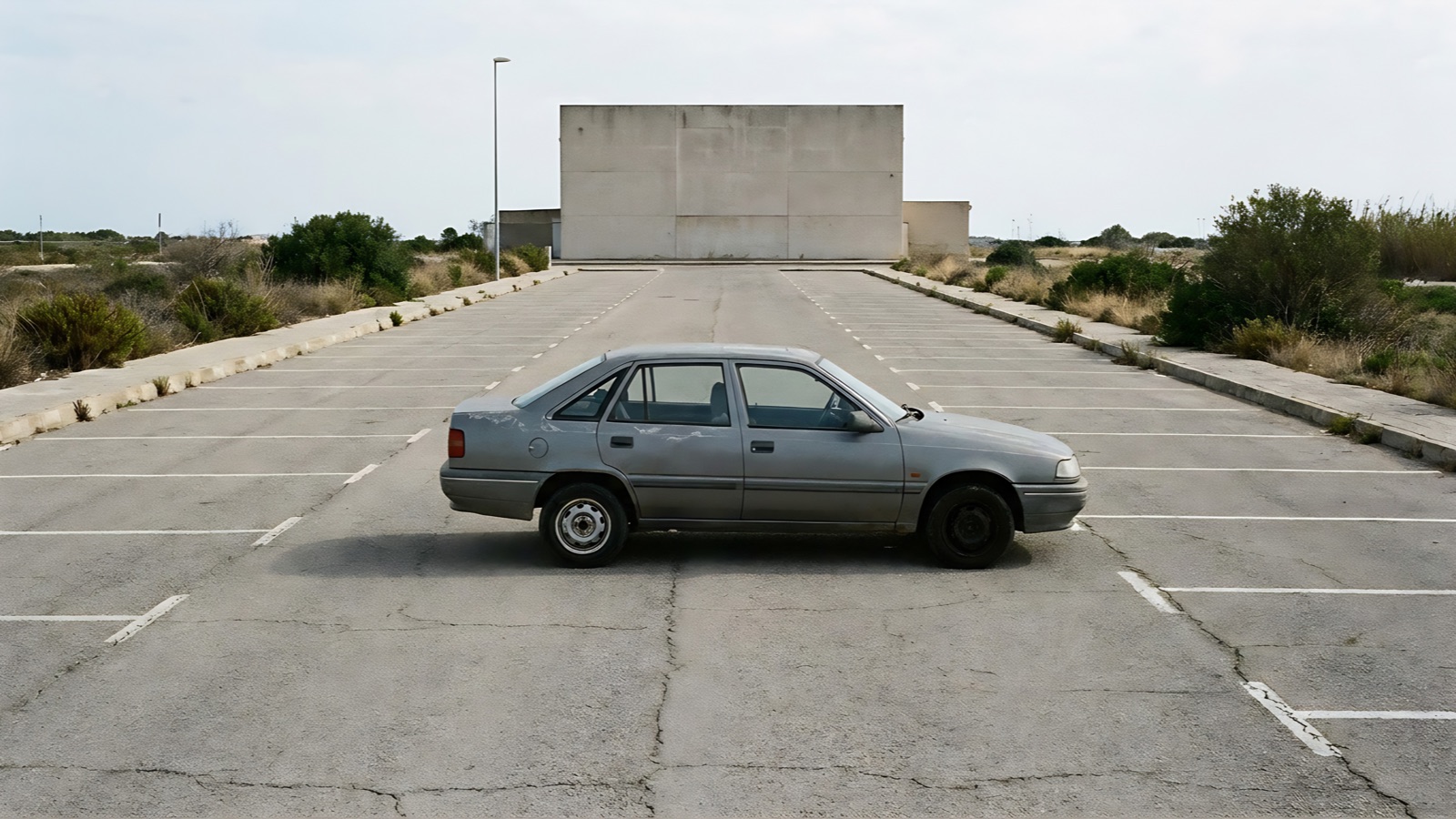
There is no single shutter setting for 40 km/h. The camera angle, distance, image scale and available light all affect the exposure needed to preserve plate detail. The useful answer comes from testing the actual lane.
That test needs a defined capture distance and representative vehicle movements, not just a speed entered on a specification sheet.
Manufacturer guidance on exposure and capture geometry
Plate capture developed its own settings as recognition moved into networked cameras.
An overview camera can favour a bright scene; a plate camera needs to preserve the edges of moving characters. Those aims can lead to very different images from the same entrance.
Short exposure matters when movement would blur the characters, but shortening it also reduces the light collected. That trade-off needs to be considered alongside illumination.
Slowing the approach or changing the viewing angle may change the exposure requirement. Night operation also needs its own trial rather than relying on daytime samples.
At 40 km/h, a vehicle travels about 11.1 metres per second: roughly 11.1 mm during 1/1000 second. That is physical travel, not pixel blur. What matters in the image is how much of that movement crosses the camera's view and how large the plate appears.
For illustration, take a 0.52 m plate spanning 120 pixels, moving at 20 degrees to the viewing direction. Its transverse speed is about 3.8 m/s. Under that simplified geometry, 1/1000 second corresponds to about 0.9 pixels of movement; 1/500 second gives about 1.8 pixels. These are teaching calculations, not recommended settings or Aero Ranger results.
Commissioning should include sample images at the expected approach speed in daylight and darkness. Keep the exposure settings with those samples, and record who can change them. That makes later changes easier to review against the conditions originally tested.
COREconnect consumes supported sightings and their context for use in CORE. Camera commissioning remains a separate responsibility before those events become part of an operational record.
That workflow depends on the original image. Review cannot recover characters that were never captured, which is why the exposure decision belongs at the lane.
Aero Ranger: compatible camera events with COREconnect
Sources were reviewed on the publication date. Check the linked material for current details.
