Bring parking, permits, inspections, evidence and reporting into one practical council workflow.
Experience the power of Aero Ranger

newsletter
Stay updated with industry insights, product updates, and exclusive tips.
Extreme heat affects the whole installation; cabinet temperatures and the limits of power, storage and batteries deserve their own assessment.
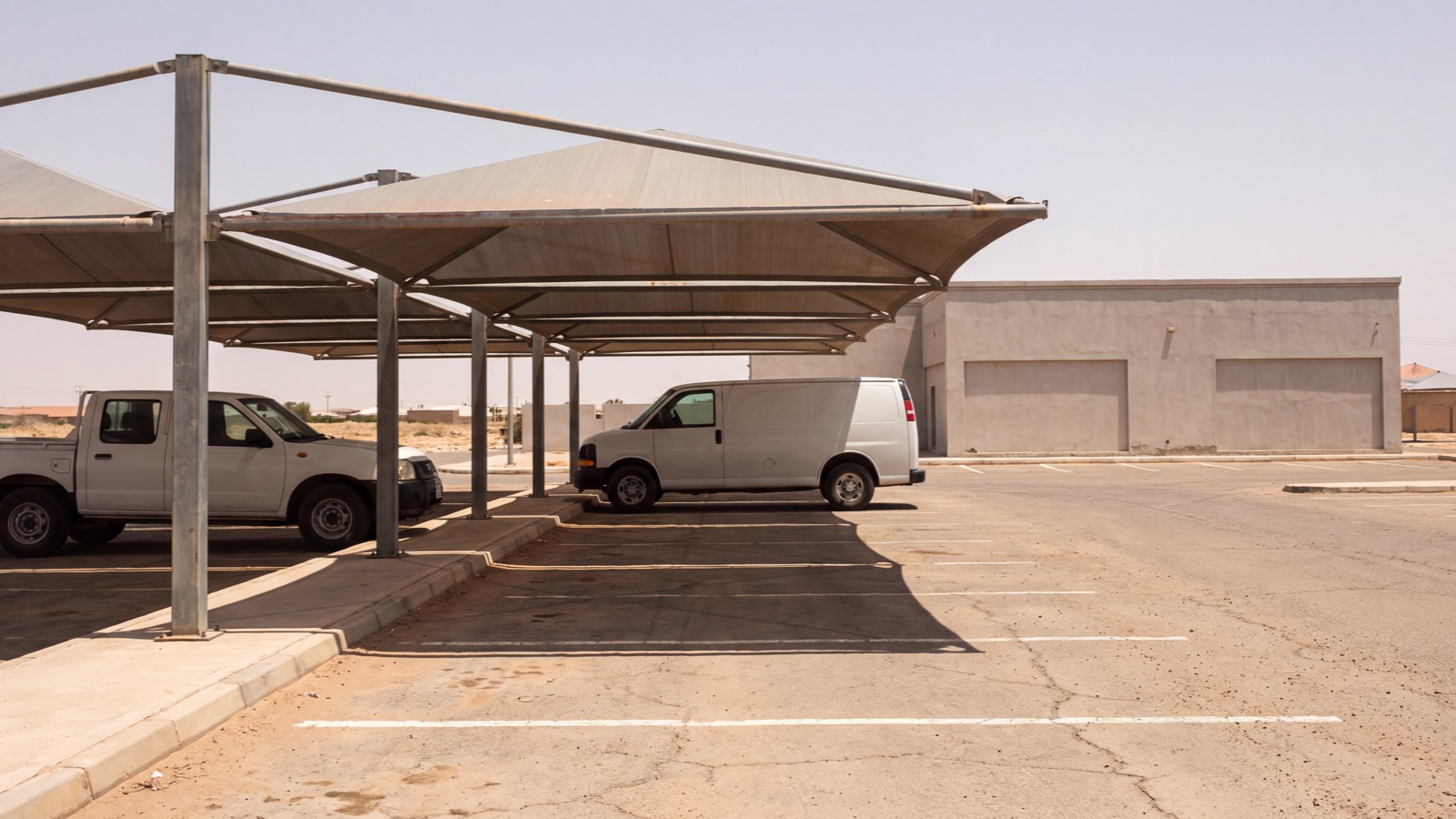
It depends on the operating limits of every supplied component and the temperatures inside the installation. A camera's outdoor label or ambient rating cannot stand for the enclosure, power supply, network equipment, storage and batteries around it.
The designer needs to consider direct sun, ventilation, internally generated heat and service access. There should also be an agreed response when conditions exceed the assessed operating range.
Outdoor cameras brought environmental protection into imaging design. Adding local recognition, storage and communications extended that concern to a complete equipment enclosure, rather than the camera alone.
Internal air can be hotter than the surrounding weather. Mounting surfaces and batteries may also sit at different temperatures, so a single weather reading does not describe every component's conditions.
Thermal design matters wherever the installation may approach its component limits. Shading, enclosure design or another mounting location may be appropriate alternatives to adding a fan, depending on the assessed arrangement.
A fan moving already-hot air has a different effect from shading the enclosure or moving heat-generating equipment. The complete design needs review; one component rated above 50 degrees Celsius does not rate the entire lane.
Imagine 45 degrees Celsius outside and a measured 20-degree rise inside a sun-exposed cabinet. The internal air reaches 65 degrees. A component limited to 60 degrees is then outside its stated range. This is an illustrative heat-budget example, not a SolarLink temperature result.
The equipment schedule should include limits for the camera, modem, power supplies, storage and batteries. Where practicable, monitor a representative hot period and keep the readings with the installation record. That provides context for the agreed response to temperatures beyond the assessed range.
Aero Ranger scopes enclosure, power and mounting for SolarLink installations. That system-level assessment matters because local processing and connectivity add equipment around the camera.
The thermal requirements of those components need their own evidence. They should not be inferred from the camera specification or from the fact that the installation operates outdoors.
Aero Ranger: SolarLink deployment, device health and operating scope
Sources were reviewed on the publication date. Check the linked material for current details.
